
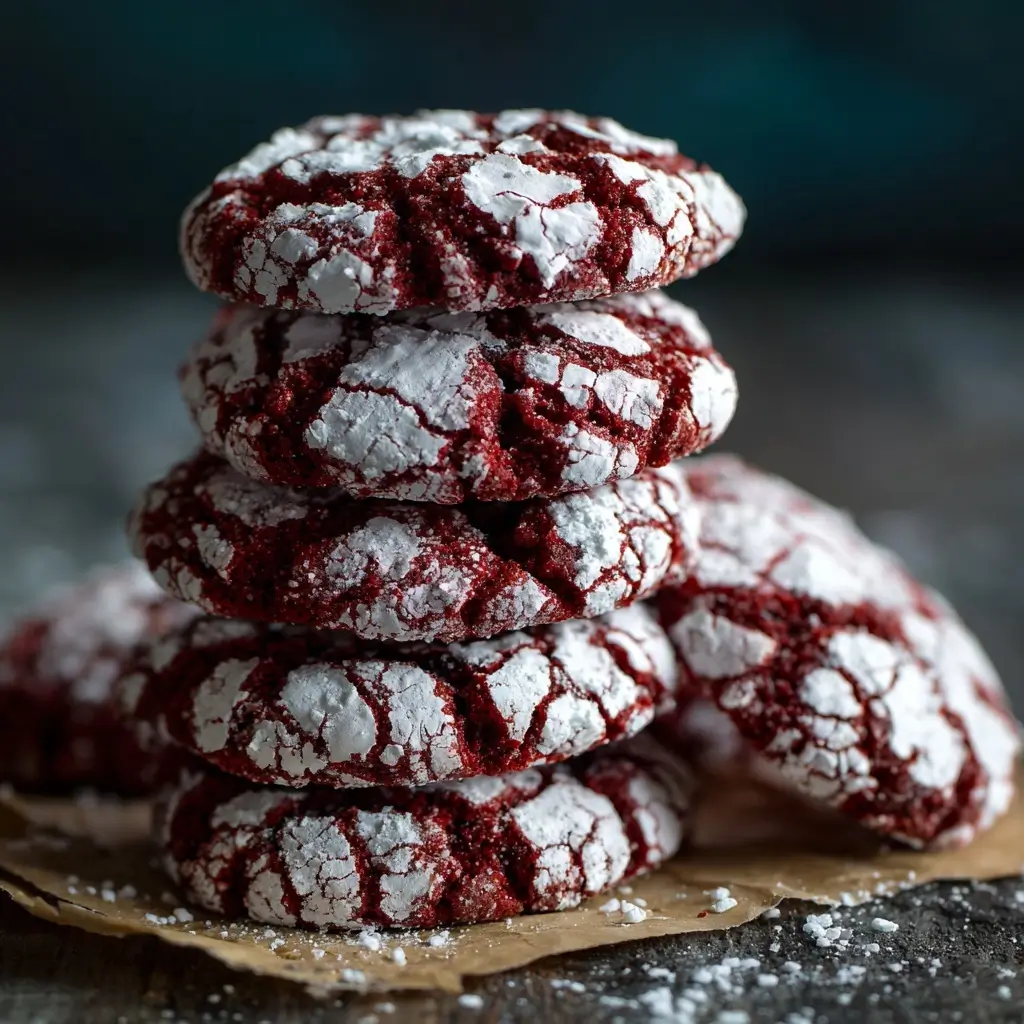
Red Velvet Crinkle Cookies: A Decadent Delight for Every Occasion
The History of Red Velvet Crinkle Cookies
The story of red velvet crinkle cookies begins with the broader evolution of American baking traditions in the early 20th century. While classic chocolate crinkle cookies first gained popularity during the 1950s, known for their cracked, snow-dusted appearance and rich cocoa flavor, the red velvet variation emerged much later as a creative twist on this beloved dessert. Red velvet itself has deep roots in Southern U.S. cuisine, with its origins traced back to the early 1900s when bakers began experimenting with cocoa, vinegar, and buttermilk to create a uniquely soft cake with a subtle chocolate flavor and vibrant hue.
The chemical reaction between acidic ingredients like buttermilk or vinegar and natural cocoa powder originally gave red velvet its faint reddish tint—long before food coloring became common. By the mid-20th century, especially after brands like Adams Extract promoted red food dye in recipes, the bold crimson color became a signature feature. It wasn’t until the 2000s that bakers started adapting the red velvet flavor profile into other desserts, including cupcakes, cakes, cheesecakes, and eventually cookies.
Red velvet crinkle cookies are essentially a fusion of two iconic treats: the fudgy texture of chocolate crinkle cookies and the distinctive taste and color of red velvet cake. Their rise in popularity was accelerated by social media, holiday baking trends, and festive occasions where visual appeal is just as important as flavor. Today, these striking black-and-red marbled cookies dusted generously with powdered sugar are a staple at Christmas cookie exchanges, Valentine’s Day parties, birthdays, and bridal showers. They represent both nostalgia and innovation—a modern classic born from tradition.
Ingredients Breakdown: What Makes These Cookies So Special?
The magic behind red velvet crinkle cookies lies not only in their eye-catching appearance but also in the thoughtful combination of ingredients that deliver a perfect balance of sweetness, richness, tang, and texture. Each component plays a vital role in creating the signature soft-yet-fudgy center, slightly crisp outer edges, and delicate crackled surface coated in snowy powdered sugar.
- All-Purpose Flour: Provides structure without making the cookies too dense. Sifting ensures a smooth batter and prevents lumps.
- Cocoa Powder (Unsweetened Natural): Adds depth of chocolate flavor and contributes to the dark base color that contrasts beautifully with the red hue and white sugar coating. Using natural rather than Dutch-processed cocoa enhances acidity, which complements the red velvet profile.
- Baking Powder & Baking Soda: Work together to provide minimal rise while maintaining a dense, chewy interior. The slight leavening helps create those beautiful cracks during baking.
- Salt: Balances sweetness and enhances overall flavor complexity.
- Granulated Sugar: Sweetens the dough and aids in creating a crisp exterior when combined with high heat.
- Brown Sugar (Light or Dark): Adds moisture, chewiness, and a subtle molasses note that enriches the flavor profile.
- Vegetable Oil or Melted Butter: Contributes to a moist, tender crumb. Oil keeps cookies softer longer; butter adds richness and aroma. Some bakers use a blend of both for optimal results.
- Eggs: Bind the ingredients together and add structure and moisture. Large eggs are ideal for consistent texture.
- Vanilla Extract: Enhances sweetness and rounds out flavors with warm aromatic notes.
- White Vinegar or Apple Cider Vinegar: Reacts with baking soda to create tiny air bubbles, contributing to lift and tenderness. Also mimics the tangy undertone found in traditional red velvet cake.
- Buttermilk or Yogurt (optional but recommended): Increases moisture and adds a subtle sourness that authenticates the red velvet experience. If unavailable, you can make a quick substitute using milk and lemon juice.
- Red Food Coloring (Liquid or Gel): Gives the cookies their vibrant red hue. Gel coloring is more concentrated and produces a deeper shade without altering consistency. Classic “true red” or “candy apple red” works best.
- Powdered Sugar (Confectioners’ Sugar): Coats the outside of the cookies before baking. As they spread and crack, the sugar forms a stunning, snowy crust that contrasts dramatically with the dark red-brown interior.
Optional enhancements include cream cheese swirls, white chocolate chips, or even a hint of cinnamon for warmth. However, purists often prefer keeping the recipe simple to highlight the core red velvet essence.
Step-by-Step Recipe: How to Make Perfect Red Velvet Crinkle Cookies
Follow this detailed guide to bake bakery-quality red velvet crinkle cookies right in your kitchen. With careful attention to technique and chilling time, you’ll achieve cookies that are fudgy inside, delicately cracked on top, and dazzling in presentation.
Ingredients
- 1 ¾ cups (220g) all-purpose flour
- ¼ cup (20g) unsweetened natural cocoa powder
- 1 teaspoon baking powder
- ½ teaspoon baking soda
- ¼ teaspoon salt
- 1 cup (200g) granulated sugar
- ½ cup (100g) packed light brown sugar
- ½ cup (120ml) vegetable oil or melted unsalted butter, cooled
- 2 large eggs, room temperature
- 1 ½ teaspoons pure vanilla extract
- 1 teaspoon white vinegar
- 1 tablespoon buttermilk or plain yogurt (or 1 tbsp milk + ½ tsp lemon juice)
- 1 – 2 tablespoons red gel food coloring (adjust for desired intensity)
- ½ cup (60g) powdered sugar, for rolling
Directions
- Prepare Dry Ingredients: In a medium bowl, whisk together flour, cocoa powder, baking powder, baking soda, and salt. Set aside.
- Cream Wet Ingredients: In a large mixing bowl, combine granulated sugar and brown sugar. Add oil (or cooled melted butter), eggs, vanilla extract, vinegar, and buttermilk. Beat with a hand mixer or stand mixer on medium speed until smooth and well combined, about 1–2 minutes.
- Add Color: Gradually mix in the red food coloring one tablespoon at a time until the batter reaches a deep red color. Be cautious—gel colors are highly concentrated!
- Incorporate Dry Mix: Slowly add the dry ingredients to the wet mixture, mixing on low speed until just combined. Do not overmix. The dough will be thick, sticky, and fudgy—similar to brownie batter.
- Chill the Dough: Cover the bowl with plastic wrap and refrigerate for at least 2 hours, or preferably overnight. Chilling is essential—it firms up the dough for easier handling and prevents excessive spreading during baking.
- Preheat Oven & Prepare Baking Sheets: Preheat oven to 350°F (175°C). Line two baking sheets with parchment paper or silicone mats.
- Roll in Powdered Sugar: Place powdered sugar in a shallow bowl. Using a cookie scoop or spoon, portion out rounded tablespoons of chilled dough. Roll each into a ball, then roll generously in powdered sugar until completely coated. Return to the baking sheet, spacing them about 2 inches apart.
- Bake: Bake for 10–12 minutes. The cookies are done when the tops have cracked significantly and look dry on the surface, but the centers still feel soft. Avoid overbaking—they continue to set as they cool.
- Cool: Let the cookies cool on the baking sheet for 5 minutes before transferring to a wire rack to cool completely. This resting period allows them to firm up without breaking.
- Serve or Store: Once cooled, serve immediately or store in an airtight container. For enhanced flavor, let them sit for 1–2 hours after cooling—the texture improves over time.
Tips for Success: Mastering the Art of Red Velvet Crinkle Cookies
- Use Gel Food Coloring: Liquid food coloring contains water, which can alter the dough’s consistency and lead to flat or greasy cookies. Gel coloring provides intense color with no added moisture.
- Don’t Skip the Chill Time: Chilling solidifies the fats in the dough, helping the cookies hold their shape and develop proper cracks. Skipping this step may result in thin, spread-out cookies.
- Measure Flour Accurately: Too much flour leads to dry, crumbly cookies. Spoon flour into your measuring cup and level it off—or better yet, use a kitchen scale for precision.
- Room Temperature Eggs: Cold eggs can cause the fat (oil/butter) to harden prematurely, leading to uneven mixing. Let eggs sit in warm water for 5–10 minutes if needed.
- Roll Generously in Powdered Sugar: Don’t skimp! A thick layer ensures the dramatic snowy appearance. Replenish the powdered sugar in the bowl as it gets dirty from handling.
- Watch Baking Time Carefully: These cookies go from perfectly gooey to overdone quickly. Start checking at 9 minutes. They should appear set on top but still soft underneath.
- Rotate Baking Sheets: For even baking, rotate pans halfway through if your oven has hot spots.
- Double Batch Tip: If making multiple batches, keep unused dough refrigerated while baking others to maintain consistency.
- Uniform Size = Even Baking: Use a #40 or #50 cookie scoop for evenly sized balls (about 1.5 tablespoons each).
- Let Them Rest After Baking: Allowing cookies to cool on the pan helps them finish setting internally without collapsing.
Variations and Customizations: Make It Your Own
While traditional red velvet crinkle cookies are delicious on their own, there are countless ways to personalize them for different tastes, dietary needs, and special events.
Flavor Twists
- Cream Cheese-Stuffed: Insert a small cube of cold cream cheese into the center of each dough ball before rolling in sugar. The creamy surprise adds tang and luxury.
- White Chocolate Chips: Fold in ½ cup of white chocolate chips for a sweet contrast against the red base.
- Peppermint Crunch: Add crushed candy canes after baking or peppermint extract (¼ tsp) to the batter for a holiday flair.
- Spiced Red Velvet: Add ½ teaspoon ground cinnamon or pumpkin spice for a warm autumnal version.
- Espresso Kick: Stir in 1 teaspoon instant espresso powder to deepen the chocolate flavor subtly.
Dietary Modifications
- Gluten-Free: Substitute all-purpose flour with a 1:1 gluten-free baking blend (like Bob’s Red Mill or King Arthur). Ensure cocoa powder and food coloring are certified GF.
- Dairy-Free: Replace buttermilk with almond milk + lemon juice, and use oil instead of butter. Choose dairy-free chocolate or skip add-ins.
- Vegan: Use flax eggs (1 tbsp ground flaxseed + 3 tbsp water per egg), plant-based oil, and ensure sugar is vegan-friendly. Check food coloring labels—some contain animal derivatives.
- Reduced Sugar: Use coconut sugar in place of granulated/brown sugars (note: color may be less vibrant), and opt for monk fruit-sweetened powdered sugar for rolling (available commercially).
Occasion-Based Ideas
- Valentine’s Day: Shape cookies into hearts using a mold or cutters after rolling. Drizzle with white chocolate and sprinkle with edible glitter.
- Christmas: Use green or gold colored dough, roll in colored sugar, or make half red, half green for festive swirls.
- Bridal Showers: Package in clear boxes tied with ribbon. Add a monogram tag or personalized note.
- Birthdays: Top cooled cookies with mini sprinkles or edible confetti before the glaze sets.
Health Considerations and Nutritional Value
Red velvet crinkle cookies are undeniably indulgent and meant to be enjoyed in moderation. Understanding their nutritional content can help you enjoy them mindfully, especially if you’re managing dietary restrictions or health goals.
Nutritional Overview (Per Cookie, Approximate – based on 1/24th of recipe)
| Nutrient | Amount |
|---|---|
| Calories | 180–200 kcal |
| Total Fat | 8–10g |
| Saturated Fat | 2–3g |
| Cholesterol | 20–25mg |
| Sodium | 80–100mg |
| Total Carbohydrates | 28–32g |
| Dietary Fiber | 1g |
| Sugars | 20–24g (including added sugars) |
| Protein | 2–3g |
Key Health Notes
- High in Added Sugars: These cookies contain significant amounts of granulated, brown, and powdered sugar. Frequent consumption may contribute to blood sugar spikes and long-term metabolic issues.
- Fat Content: Primarily from oil or butter, providing energy but requiring mindful portion control, especially for heart health.
- Low in Fiber & Protein: Not satiating on their own. Pair with a protein-rich beverage like Greek yogurt smoothie or nuts to balance the snack.
- Food Dye Concerns: Artificial red dyes (especially Red 40) have been linked to hyperactivity in sensitive children. Opt for natural alternatives like beetroot powder if preferred, though color intensity will vary.
- Gluten & Allergens: Contains wheat, eggs, and dairy (unless modified). Always label accordingly for guests with allergies.
Mindful Indulgence Tips
- Limits servings to 1 cookie per sitting.
- Share with others to reduce individual intake.
- Make smaller mini versions (using a teaspoon scoop) for tasting-sized treats.
- Enjoy as part of a balanced meal or active day.
- Store in single-serve containers to avoid mindless eating.
Frequently Asked Questions (FAQ)
- Why are my red velvet crinkle cookies flat?
- This usually happens if the dough wasn’t chilled long enough, too much butter was used, or the oven temperature is too low. Ensure you chill the dough for at least 2 hours and measure ingredients accurately.
- Can I freeze the dough?
- Absolutely! Portion the dough into balls, roll in powdered sugar, and freeze on a tray. Once solid, transfer to a freezer bag. Bake straight from frozen—add 1–2 minutes to baking time.
- Can I use cake flour instead of all-purpose?
- Yes, but cake flour will yield a more delicate, tender cookie. Use a 1:1 substitution, but expect slightly less structure and more spread.
- Why do my cookies crack?
- Cracking is intentional! The powdered sugar dries out during baking while the inside expands, causing the signature fissures. More cracks mean better texture.
- How long do these cookies last?
- Store in an airtight container at room temperature for up to 5 days. Freeze for up to 3 months. Thaw at room temperature and refresh in a 300°F oven for 3 minutes if desired.
- Can I make these without food coloring?
- You can, but they won’t have the classic red velvet look. Natural options like beet juice or powder give a muted pinkish tone. Flavor remains similar, though visually different.
- Why use both baking powder and baking soda?
- Baking soda reacts with acid (vinegar, buttermilk) for immediate lift, while baking powder provides secondary rise in the oven. Together, they optimize texture.
- Are red velvet crinkle cookies the same as red velvet cake?
- No. While they share flavor elements—cocoa, acidity, and red color—crinkle cookies are denser, richer, and fudgier, resembling brownies more than cake.
- Can I use Dutch-process cocoa?
- Not recommended. Dutch-process cocoa is alkalized and less acidic, so it won’t react properly with the vinegar and baking soda, potentially affecting rise and flavor.
- What causes the white coating on top?
- The powdered sugar melts slightly and then re-crystallizes during baking, forming a delicate sugary crust that gives the “crinkle” effect.
Summary
Red velvet crinkle cookies are a stunning fusion of rich chocolate flavor, tangy red velvet character, and dramatic visual appeal—all wrapped in a soft, fudgy bite topped with a snowy crust of powdered sugar.
Easy to customize, perfect for gifting, and ideal for holidays or celebrations, these decadent treats bring joy with every crackled, colorful bite.