
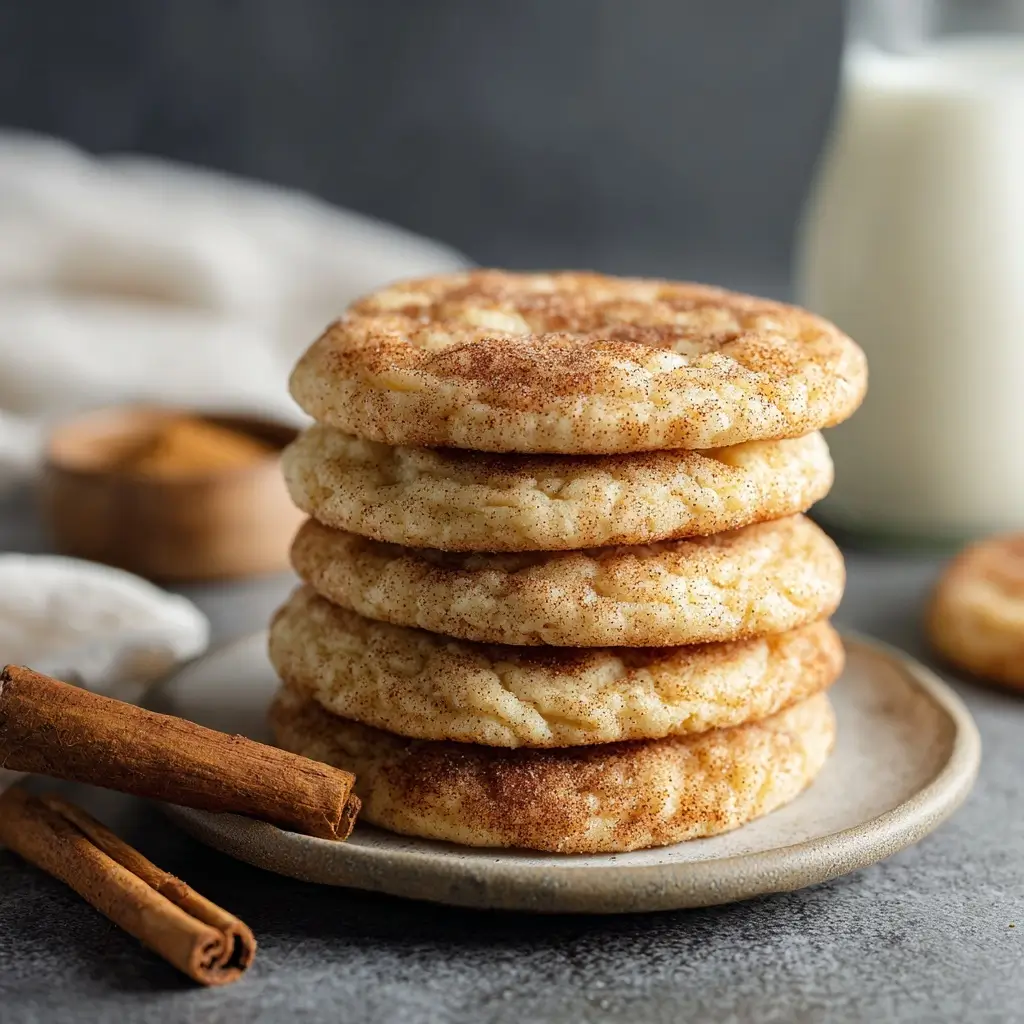
Chewy Snickerdoodle Cookies: A Timeless Classic with a Perfectly Soft Center
The History of Snickerdoodle Cookies
The origins of the snickerdoodle cookie are delightfully shrouded in mystery, folklore, and a sprinkle of linguistic whimsy. While its exact birthplace is debated, most food historians agree that the snickerdoodle likely emerged from German or Dutch-American communities in the late 19th or early 20th century. The name itself may derive from the German word “Schnecken,” meaning “snail” or “crinkle,” possibly referencing the cookie’s cracked surface after baking. Alternatively, it could stem from “Snicker,” a playful term found in American English, combined with “doodle”—a whimsical suffix suggesting something fun and quirky.
In Germany, similar cookies called Zimtsterne (cinnamon stars) or cinnamon-sugar crinkles were baked during festive seasons. However, the true American snickerdoodle evolved as a buttery, soft-centered cookie rolled in a fragrant blend of cinnamon and sugar. It gained widespread popularity in the United States during the Great Depression due to its simple, affordable ingredients—butter, sugar, flour, cream of tartar, and eggs—all of which were accessible to most households. By the mid-20th century, snickerdoodles had become a staple in American bakeries, cookbooks, and family recipe boxes, cherished for their nostalgic warmth and comforting aroma.
Interestingly, cream of tartar—a key ingredient—was not just used for flavor but also served a functional purpose. Before baking powder became widely available, cream of tartar was combined with baking soda to create a leavening effect, giving snickerdoodles their signature slight tang and chewy texture. This unique chemical reaction contributes to the cookie’s distinct identity, setting it apart from other sugar cookies.
Ingredients Breakdown: Why Each One Matters
Creating the perfect chewy snickerdoodle begins with understanding the role of each ingredient. Precision and quality matter—especially when aiming for that ideal balance between crisp edges and a soft, melt-in-your-mouth center.
- Unsalted Butter (1 cup, softened): Provides rich flavor and tender texture. Using softened (not melted) butter ensures proper creaming with sugar, incorporating air for a lighter crumb. Unsalted butter allows you to control sodium levels precisely.
- Granulated Sugar (1 ¼ cups): Sweetens the dough and helps create structure. When creamed with butter, sugar crystals help aerate the mixture, contributing to rise and tenderness.
- Brown Sugar (½ cup, packed): Adds moisture and depth of flavor thanks to molasses. This is crucial for achieving a chewy texture. Light or dark brown sugar can be used—dark adds a more robust caramel note.
- Eggs (2 large): Act as a binder and add richness. They contribute to structure while enhancing chewiness and color through Maillard browning.
- Vanilla Extract (2 teaspoons): Enhances overall flavor and complements the cinnamon. Pure extract yields a superior taste compared to artificial versions.
- All-Purpose Flour (2 ¾ cups): Forms the base structure. Spooned and leveled to prevent dense cookies. Over-measuring leads to dryness, so accuracy is key.
- Cream of Tartar (2 teaspoons): The defining ingredient. Gives snickerdoodles their slight tang and activates baking soda for optimal rise. It also softens gluten, promoting chewiness.
- Baking Soda (1 teaspoon): Reacts with cream of tartar to produce carbon dioxide, helping the cookies puff slightly before collapsing into a tender dome.
- Salt (½ teaspoon): Balances sweetness and enhances all flavors. Even in sweet baked goods, salt is essential for complexity.
- Cinnamon-Sugar Coating (3 tablespoons granulated sugar + 1 ½ tablespoons ground cinnamon): Delivers the iconic snickerdoodle exterior. The coarse, spiced crust contrasts beautifully with the soft interior.
Step-by-Step Recipe for Chewy Snickerdoodle Cookies
Follow this detailed method to achieve bakery-quality, chewy snickerdoodles with crackled tops and a warm cinnamon embrace.
- Prepare Ingredients and Equipment: Preheat your oven to 375°F (190°C). Line two large baking sheets with parchment paper or silicone baking mats. In a small bowl, whisk together the coating ingredients (3 tbsp sugar + 1 ½ tbsp cinnamon) and set aside. Measure all ingredients accurately using kitchen scales or the spoon-and-level method for flour.
- Cream Butter and Sugars: In a large mixing bowl, using a hand mixer or stand mixer fitted with the paddle attachment, beat the softened unsalted butter, granulated sugar, and brown sugar on medium speed for 2–3 minutes until light, fluffy, and pale in color. Scrape down the sides as needed.
- Add Wet Ingredients: Beat in the eggs one at a time, ensuring each is fully incorporated before adding the next. Mix in the vanilla extract. The mixture should be smooth and emulsified.
- Combine Dry Ingredients: In a separate bowl, whisk together the flour, cream of tartar, baking soda, and salt until thoroughly combined. Sifting is optional but helps eliminate lumps.
- Incorporate Dry into Wet: Gradually add the dry ingredients to the butter mixture on low speed, mixing just until the dough comes together. Do not overmix—this develops gluten and can make cookies tough. The dough will be soft, slightly sticky, and pliable.
- Chill the Dough (Optional but Recommended): For thicker, chewier cookies with less spread, cover the bowl and refrigerate the dough for 1 to 2 hours. Chilling solidifies the butter, slowing spread during baking. You can also scoop and roll the dough first, then chill the balls.
- Shape the Cookies: Scoop rounded tablespoons of dough (about 1.5 inches in diameter) using a cookie scoop or spoon. Roll each portion between your palms into a smooth ball.
- Coat with Cinnamon-Sugar: Roll each dough ball generously in the reserved cinnamon-sugar mixture, pressing lightly to ensure an even, sparkly coating.
- Arrange on Baking Sheets: Place coated dough balls about 2 inches apart on prepared baking sheets. They will spread slightly, so adequate spacing prevents merging.
- Bake: Bake one sheet at a time in the center rack for 9 to 11 minutes. The cookies are done when the edges are set and lightly golden, but the centers still appear soft and slightly underbaked. They will continue to cook on the hot tray after removal.
- Cool: Let the cookies rest on the baking sheet for 5 minutes to firm up. Then, transfer them gently to a wire rack to cool completely. This step ensures they hold their shape and develop the ideal chewy texture throughout.
Tips for Perfect Chewy Snickerdoodles Every Time
- Use Room-Temperature Ingredients: Especially butter and eggs. Cold ingredients don’t emulsify well, leading to uneven texture.
- Don’t Skip Cream of Tartar: It’s what makes a snickerdoodle a snickerdoodle. Substitutes like lemon juice or vinegar won’t replicate the same flavor or chemistry.
- Measure Flour Accurately: Too much flour = dry, cakey cookies. Spoon flour into the measuring cup and level it off—never scoop directly from the bag.
- Underbake Slightly: Remove cookies when centers look soft. They’ll set as they cool, resulting in a gooey, chewy interior.
- Chill the Dough: This reduces spreading and intensifies flavor. Overnight chilling (up to 72 hours) can deepen taste via flavor melding.
- Use Parchment Paper: Prevents sticking and ensures even browning. Avoid greasing the pan—it encourages excess spread.
- Rotate the Pan: If your oven has hot spots, rotate the baking sheet halfway through for even cooking.
- Double the Batch: These freeze beautifully unbaked or baked. Store extra dough balls in the freezer for instant fresh-baked treats.
Variations and Customizations
While classic snickerdoodles are timeless, feel free to experiment with creative twists to suit your taste or dietary needs.
- Gluten-Free Snickerdoodles: Substitute all-purpose flour with a 1:1 gluten-free baking blend (like Bob’s Red Mill). Add ¼ tsp xanthan gum if not included in the mix.
- Vegan Version: Replace butter with vegan butter (e.g., Earth Balance), use flax eggs (1 tbsp ground flax + 3 tbsp water per egg), and ensure sugar is plant-based (some white sugars are processed with bone char).
- Mini Snickerdoodles: Use a teaspoon-sized scoop for bite-sized treats. Reduce baking time to 6–8 minutes.
- Stuffed Snickerdoodles: Press a chocolate chip, caramel square, or peanut butter chip into the center of each dough ball before rolling in cinnamon sugar.
- Spice It Up: Add a pinch of nutmeg, cloves, or cardamom to the dry ingredients for a deeper spice profile.
- Lemon Zest Snickerdoodles: Add 1 tsp finely grated lemon zest to the dough for a bright, citrusy contrast to the cinnamon.
- Dipped Snickerdoodles: After cooling, dip half of each cookie in melted dark, milk, or white chocolate. Sprinkle with sea salt or crushed nuts for elegance.
- Cookie Sandwiches: Pair two cookies with a filling of vanilla buttercream, cream cheese frosting, or salted caramel for a decadent dessert.
Health Considerations and Nutritional Value
Snickerdoodles are undeniably indulgent, but understanding their nutritional content helps in making mindful choices.
Nutritional Profile (per cookie, based on 24 servings):
- Calories: ~180–200
- Total Fat: 8–9g (mostly from butter)
- Saturated Fat: 5g
- Cholesterol: 30–40mg
- Sodium: 100–120mg
- Total Carbohydrates: 28–30g
- Sugars: 18–20g
- Protein: 2g
- Fiber: ~0.5g (unless whole wheat flour is used)
Health Notes:
- High in added sugars and saturated fats, so moderation is advised, especially for those managing diabetes, heart health, or weight.
- Contains no significant vitamins or minerals unless fortified ingredients are used.
- To reduce sugar, consider reducing granulated sugar by ¼ cup—though this may affect texture and spread.
- For added fiber, substitute ½ cup of flour with whole wheat pastry flour. The flavor becomes nuttier, and texture slightly denser.
- Homemade versions allow control over ingredients—avoiding preservatives, artificial flavors, or hydrogenated oils found in store-bought cookies.
Full Ingredient List
- 1 cup (2 sticks / 226g) unsalted butter, softened
- 1 ¼ cups (250g) granulated sugar
- ½ cup (100g) packed brown sugar (light or dark)
- 2 large eggs, room temperature
- 2 teaspoons pure vanilla extract
- 2 ¾ cups (345g) all-purpose flour (spooned and leveled)
- 2 teaspoons cream of tartar
- 1 teaspoon baking soda
- ½ teaspoon salt
- For coating: 3 tablespoons granulated sugar + 1 ½ tablespoons ground cinnamon
Directions Recap
- Preheat oven to 375°F (190°C). Line baking sheets with parchment paper.
- In a small bowl, mix 3 tbsp sugar + 1 ½ tbsp cinnamon for coating; set aside.
- Cream butter, 1 ¼ cups granulated sugar, and brown sugar until fluffy (~3 mins).
- Add eggs one at a time, then vanilla. Mix well.
- In another bowl, whisk flour, cream of tartar, baking soda, and salt.
- Gradually mix dry ingredients into wet until just combined.
- (Optional) Chill dough for 1–2 hours.
- Scoop 1.5-inch balls, roll in cinnamon-sugar coating.
- Place 2 inches apart on baking sheets.
- Bake 9–11 minutes until edges are golden and centers soft.
- Cool on pan for 5 minutes, then transfer to wire rack.
FAQ: Frequently Asked Questions
Why are my snickerdoodles flat?
Likely causes: butter too soft or melted, dough not chilled, too little flour, or expired leavening agents. Always measure flour correctly and consider chilling the dough.
Can I skip cream of tartar?
Technically, yes—but they won’t be authentic snickerdoodles. Without it, you lose the tang and chew. Substitute with 1 tsp lemon juice or vinegar plus 1 tsp baking powder, but expect flavor and texture differences.
How do I store snickerdoodle cookies?
Store in an airtight container at room temperature for up to 5 days. For longer storage, freeze for up to 3 months.
Can I freeze the dough?
Absolutely! Roll dough into balls, coat in cinnamon sugar, and freeze on a tray. Once solid, transfer to a freezer bag. Bake straight from frozen—add 1–2 minutes to baking time.
Why do snickerdoodles have cracks?
The rapid expansion from leavening (baking soda + cream of tartar) followed by quick cooling creates surface cracks. This is normal and desirable!
Can I make these dairy-free?
Yes—use high-quality vegan butter sticks (not tub spreads) to maintain proper fat content and texture.
Are snickerdoodles supposed to be soft or crispy?
Traditional snickerdoodles are meant to be soft and chewy inside with slightly crisp edges. Overbaking leads to crispiness throughout.
Summary
Chewy snickerdoodle cookies boast a tender, buttery center wrapped in a spiced cinnamon-sugar crust, made unforgettable by the tang of cream of tartar and perfect baking technique.
A beloved American classic, they’re easy to customize, ideal for sharing, and best served warm with a glass of milk or a cup of coffee.