
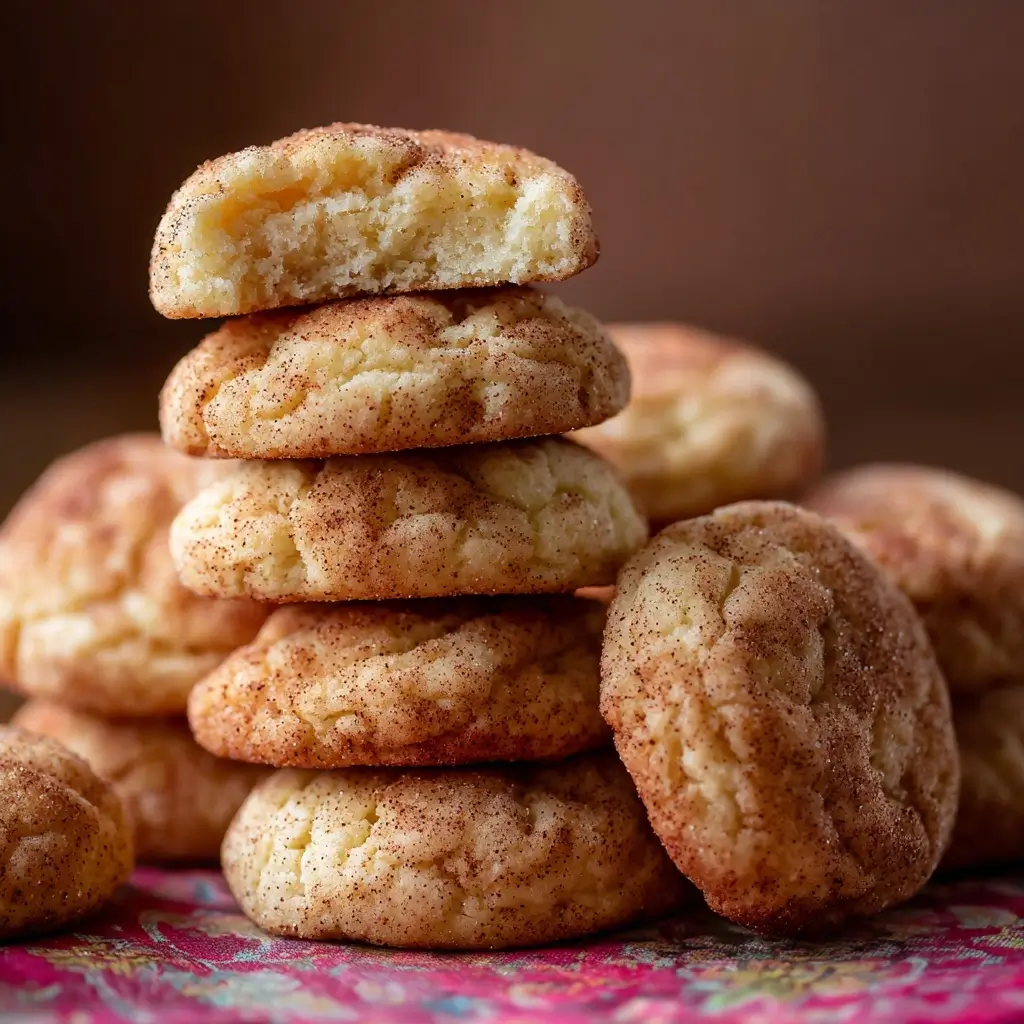
Snickerdoodle Cookies with Soft Centers: A Timeless Classic with a Perfectly Tender Crumb
If you’re in search of the ultimate comfort cookie—soft, chewy, warmly spiced, and delicately crisp at the edges—you’ve found your match. The snickerdoodle cookie with a soft center is an American classic that has charmed generations with its simplicity and satisfying texture. Unlike their crunchy counterparts, these snickerdoodles are crafted to stay tender and moist inside, offering a melt-in-your-mouth experience with every bite. Whether you’re baking for a family gathering, holiday celebration, or just treating yourself on a quiet afternoon, this recipe delivers consistent, crowd-pleasing results.
The History of Snickerdoodle Cookies
The origins of the snickerdoodle (also spelled snipdoodle, schnickerdoodle, or snickerdy) remain delightfully mysterious, but most culinary historians believe they were brought to America by German or Dutch immigrants. The name itself may derive from the German word Schnitternudel, though this is debated. Others suggest it’s simply a whimsical name, much like “funny bone” or “hushpuppies”—a playful term without literal meaning.
Snickerdoodles first appeared in American cookbooks in the late 19th century and gained widespread popularity in the early 20th century, particularly during the Great Depression when ingredients like cream of tartar were more accessible than baking powder. Their signature flavor comes from a combination of cream of tartar and cinnamon-sugar, giving them a subtly tangy taste and warm aroma. Over time, bakers perfected the balance between crisp edges and soft centers, turning the snickerdoodle into one of the most beloved cookies in American baking tradition.
Ingredients Breakdown: Why Each One Matters
To achieve snickerdoodles with irresistibly soft centers, every ingredient plays a crucial role. Let’s break down what goes into these dreamy cookies and why:
- Unsalted Butter (softened): Provides rich flavor and contributes to tenderness. Using softened butter ensures even mixing and proper creaming with sugar, which incorporates air for a lighter texture.
- Granulated Sugar: Sweetens the dough and helps create a slight crispness on the outside while maintaining moisture inside.
- Brown Sugar (light or dark): Adds moisture and depth due to its molasses content. This is key for soft centers and a chewy texture.
- Eggs (large, room temperature): Bind the ingredients together and add structure and richness. Room temperature eggs blend more smoothly into the batter.
- Vanilla Extract: Enhances overall flavor and adds a subtle warmth that complements the cinnamon.
- All-Purpose Flour: The structural base of the cookie. Measured correctly, it prevents dryness while supporting the soft texture.
- Cream of Tartar: A defining ingredient in traditional snickerdoodles. It reacts with baking soda to leaven the cookies and gives them their characteristic tangy note.
- Baking Soda: Works with cream of tartar to provide lift, helping the cookies rise slightly and spread just enough for a soft interior.
- Salt: Balances sweetness and enhances all other flavors in the cookie.
- Cinnamon: The star spice. Ground cinnamon coats the outside and infuses the dough with warm, sweet aroma.
- Extra Sugar and Cinnamon for Rolling: Creates a crunchy, spiced crust that contrasts beautifully with the pillowy soft center.
Step-by-Step Recipe: How to Make Snickerdoodles with Soft Centers
Ingredients
For the Cookies:
- ¾ cup (170g) unsalted butter, softened to room temperature
- 1 ¼ cups (250g) granulated sugar, divided
- ⅓ cup (65g) packed light brown sugar
- 2 large eggs, room temperature
- 2 teaspoons pure vanilla extract
- 2 ¾ cups (345g) all-purpose flour (spooned and leveled)
- 2 teaspoons cream of tartar
- 1 teaspoon baking soda
- ½ teaspoon salt
- 1 tablespoon ground cinnamon (plus more for rolling)
Directions
- Preheat Oven & Prepare Baking Sheets: Preheat your oven to 350°F (177°C). Line two large baking sheets with parchment paper or silicone baking mats. This prevents sticking and ensures even baking.
- Cream Butter and Sugars: In a large mixing bowl, using a hand mixer or stand mixer fitted with a paddle attachment, beat the softened butter, 1 cup of granulated sugar, and brown sugar together on medium speed until creamy and smooth, about 2–3 minutes. Scrape down the sides as needed.
- Add Wet Ingredients: Beat in the eggs one at a time, allowing each to incorporate fully before adding the next. Mix in the vanilla extract until combined.
- Combine Dry Ingredients: In a separate bowl, whisk together the flour, cream of tartar, baking soda, salt, and 1 tablespoon of cinnamon. This ensures even distribution of leaveners and spices.
- Mix Dry into Wet: Gradually add the dry ingredients to the wet mixture on low speed, mixing just until combined. Do not overmix—this can lead to tough cookies. The dough should be soft, slightly sticky, and pliable.
- Roll into Balls: Place the remaining ¼ cup granulated sugar and 1–2 teaspoons of cinnamon into a small bowl and mix well. Scoop dough using a cookie scoop (about 1.5 tablespoons per cookie) and roll into balls. Then roll each ball generously in the cinnamon-sugar coating until fully covered.
- Chill the Dough (Optional but Recommended): For thicker, softer-centered cookies, chill the dough balls for 10–15 minutes. This prevents excessive spreading and improves texture.
- Bake: Arrange coated dough balls on prepared baking sheets, leaving about 2 inches between each for spreading. Bake one sheet at a time in the center of the oven for 10–11 minutes. The cookies should appear set around the edges but still look soft and slightly underbaked in the center.
- Cool: Remove from the oven and let the cookies cool on the baking sheet for 5 minutes before transferring to a wire rack to cool completely. They will continue to set as they cool, retaining their soft, chewy centers.
Yield: Approximately 28–32 cookies, depending on size.
Tips for Perfect Soft-Centered Snickerdoodles Every Time
- Don’t Overbake: This is the golden rule. Pull the cookies out when they’re just set around the edges but still soft in the middle. Overbaking leads to crispiness throughout instead of a soft center.
- Use Room Temperature Ingredients: Cold butter or eggs can cause uneven mixing and affect texture. Allow all refrigerated ingredients to sit out for at least 30–60 minutes before starting.
- Measure Flour Correctly: Too much flour = dry, dense cookies. Use the spoon-and-level method: spoon flour into your measuring cup and level off with a knife. Avoid scooping directly from the bag.
- Chill the Dough: Chilling solidifies the butter, slowing spread during baking. This helps maintain thickness and softness.
- Bake One Sheet at a Time: Ovens often have hot spots. Baking one tray ensures even heat distribution and consistent results.
- Use Fresh Leaveners: Old baking soda or cream of tartar lose potency. Replace them every 6 months for optimal rise.
- Store Properly: Keep cooled cookies in an airtight container at room temperature. They stay soft for up to 5 days. For longer storage, freeze baked cookies or dough balls.
Variations and Customizations
While classic snickerdoodles are perfect on their own, feel free to experiment with fun twists:
- Gluten-Free Snickerdoodles: Substitute all-purpose flour with a 1:1 gluten-free baking flour blend. Add ¼ teaspoon xanthan gum if not included in the blend.
- Vegan Version: Use plant-based butter, flax eggs (1 tbsp ground flax + 3 tbsp water per egg), and ensure sugar is vegan-certified.
- Mini Snickerdoodles: Use a teaspoon-sized scoop for bite-sized treats. Reduce baking time to 7–8 minutes.
- Stuffed Snickerdoodles: Press a small piece of soft caramel, chocolate square, or peanut butter cup into the center of each dough ball before rolling in cinnamon sugar.
- Lemon Zest Twist: Add 1 teaspoon of lemon zest to the dough. The citrus brightens the flavor and pairs wonderfully with the tang from cream of tartar.
- Spice It Up: Add a pinch of nutmeg, cloves, or ginger along with the cinnamon for deeper warmth.
- Sea Salt Finish: Sprinkle a tiny pinch of flaky sea salt on top after baking for a sweet-salty contrast.
Health Considerations and Nutritional Value
Snickerdoodles are a treat best enjoyed in moderation. While undeniably delicious, they contain sugar, refined flour, and saturated fat. Here’s a general nutritional breakdown per cookie (based on 30 cookies):
- Calories: ~140–160 kcal
- Total Fat: 7–8g (mostly from butter)
- Saturated Fat: 4–5g
- Carbohydrates: 20–22g
- Sugars: 13–15g (natural and added)
- Protein: 1–2g
- Sodium: 80–100mg
Dietary Notes:
- Not suitable for low-sugar diets due to high sugar content.
- Contains gluten and dairy; modifications required for allergies.
- No cholesterol-free option unless using substitutes for butter and eggs.
- Energy-dense: Ideal as an occasional indulgence rather than a daily snack.
For healthier versions, consider reducing sugar by ¼ cup (though this may affect texture), using whole wheat pastry flour for added fiber, or incorporating natural sweeteners like coconut sugar. However, keep in mind that substitutions may alter the classic soft texture and flavor profile.
Frequently Asked Questions (FAQ)
Why are my snickerdoodles hard?
Hard snickerdoodles usually result from overbaking, too much flour, or using cold butter. Make sure to measure flour accurately, bake only until edges are set, and allow cookies to cool on the pan.
Can I make the dough ahead of time?
Yes! You can refrigerate the dough for up to 3 days or freeze dough balls for up to 3 months. Bake straight from frozen, adding 1–2 minutes to baking time.
What makes snickerdoodles different from sugar cookies?
The key differences are cream of tartar (which gives snickerdoodles a slight tang) and the generous cinnamon-sugar coating. Snickerdoodles also tend to be softer and less sweet than traditional sugar cookies.
Why do my cookies flatten too much?
This could be due to melted butter, old baking soda, or skipping the chilling step. Ensure butter is softened—not melted—and check leavener freshness.
Can I use baking powder instead of cream of tartar and baking soda?
Not exactly. Cream of tartar is essential for authentic snickerdoodle flavor. If you must substitute, use 2 teaspoons of baking powder in place of the cream of tartar + baking soda combo, but expect a milder taste.
Are snickerdoodles supposed to be soft in the middle?
Yes! Traditional snickerdoodles have a soft, chewy center with lightly crisp edges. If yours are crunchy throughout, they’ve likely been overbaked.
Can I double the recipe?
Absolutely. Just make sure your mixer can handle the volume. Doubling works well for holidays or gatherings.
Summary
These snickerdoodle cookies deliver the perfect balance of crispy edges and luxuriously soft centers, kissed with cinnamon and a hint of tang from cream of tartar. A timeless favorite made with care, they bring warmth and nostalgia to every bite.