
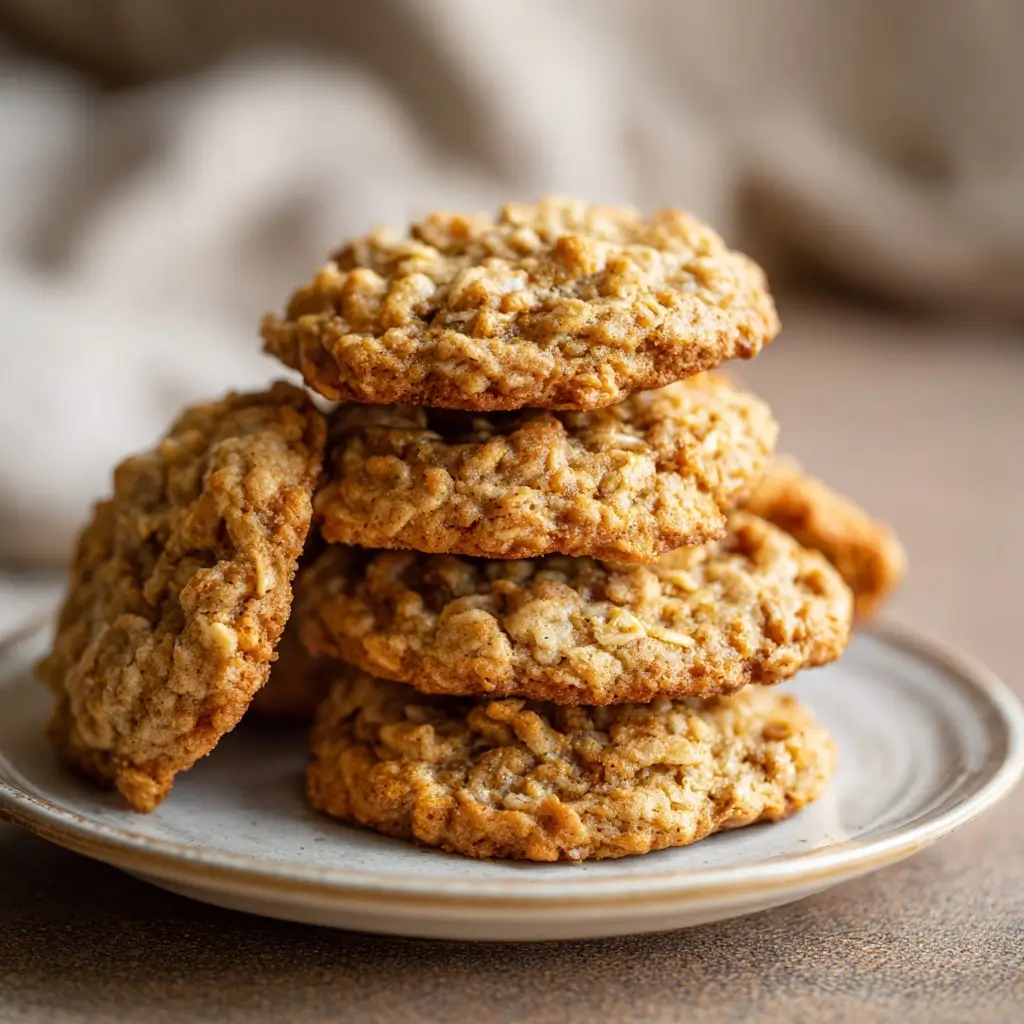
Soft and Chewy Oatmeal Cookies: A Timeless Classic with a Perfectly Balanced Crunch
There’s something profoundly comforting about the warm, earthy aroma of freshly baked oatmeal cookies wafting through your kitchen. Soft at the center, slightly chewy around the edges, these golden-brown treats deliver a nostalgic flavor that brings back memories of childhood afternoons, cozy kitchens, and lovingly shared desserts. Whether you’re baking them for a family gathering, a school bake sale, or just as a sweet indulgence on a quiet evening, soft and chewy oatmeal cookies are more than just a dessert—they’re a homemade embrace in cookie form.
The History of Oatmeal Cookies
Oatmeal cookies have roots that stretch back centuries, evolving alongside the cultivation of oats in Europe. Originally consumed as a hearty grain in porridge form by the ancient Scots and Irish, oats eventually made their way into baked goods during the 18th and 19th centuries. The first recorded oatmeal cookie recipe appeared in the United States in the late 1800s, featured in Fannie Farmer’s Boston Cooking-School Cook Book (1896). These early versions were simple—oats, flour, butter, sugar, and spices—reflecting the humble, resourceful nature of home baking at the time.
By the early 20th century, the addition of raisins, cinnamon, and brown sugar helped define the modern oatmeal cookie we know today. As electric ovens became common in American homes, cookie baking surged in popularity. Oatmeal cookies gained further fame mid-century as a staple of lunchboxes and church potlucks, prized not only for their satisfying texture but also for their perceived wholesomeness compared to other sugary treats.
Over time, bakers began experimenting with add-ins like chocolate chips, nuts, dried cranberries, and even coconut, transforming the classic oatmeal cookie into a versatile canvas for flavor innovation. Yet, despite all the variations, the essence remains: a soft, chewy, warmly spiced cookie that celebrates the natural goodness of oats.
Ingredients Breakdown: Why Every Component Matters
The magic of soft and chewy oatmeal cookies lies not just in technique, but in the careful selection and balance of ingredients. Each element plays a crucial role in achieving the perfect texture, flavor, and appearance.
- Butter (Unsalted): Provides rich flavor and contributes to both tenderness and spread. Using room-temperature butter ensures proper creaming with sugar, which incorporates air for a lighter texture.
- Granulated Sugar: Adds sweetness and helps create a slight crispness on the outer edges while maintaining moisture inside.
- Packed Brown Sugar (Light or Dark): The star of chewiness! Brown sugar contains molasses, which retains moisture and enhances softness. Dark brown sugar adds deeper caramel notes.
- Eggs (Large): Bind the ingredients together and contribute to structure and moisture. One egg is typically sufficient for a standard batch.
- Vanilla Extract: Enhances overall flavor complexity with its warm, aromatic profile. Pure extract yields better results than imitation.
- All-Purpose Flour: Gives structure to the cookies. Too much can make them tough; too little leads to excessive spreading.
- Baking Soda: A leavening agent that helps the cookies rise slightly and develop a tender crumb.
- Ground Cinnamon: Adds warmth and complements the natural nuttiness of oats. It’s optional but highly recommended.
- Salt: Balances sweetness and intensifies flavors. Even a small amount makes a noticeable difference.
- Old-Fashioned Rolled Oats: The heart of the cookie. They provide chew, texture, and a wholesome, nutty flavor. Avoid instant oats (too fine) or steel-cut oats (too dense).
- Mix-Ins (Optional): Raisins, chocolate chips, chopped walnuts, dried cranberries, or shredded coconut add bursts of flavor and texture contrast.
Step-by-Step Recipe: How to Make Perfectly Soft and Chewy Oatmeal Cookies
Follow this detailed method to ensure bakery-quality results every time. This recipe yields approximately 24 medium-sized cookies.
Ingredients
- 1 cup (2 sticks / 227g) unsalted butter, softened to room temperature
- ¾ cup (150g) granulated sugar
- ¾ cup (165g) packed light or dark brown sugar
- 2 large eggs, room temperature
- 2 teaspoons pure vanilla extract
- 1½ cups (190g) all-purpose flour
- 1 teaspoon baking soda
- 1 teaspoon ground cinnamon
- ½ teaspoon salt
- 3 cups (270g) old-fashioned rolled oats
- 1 cup (175g) mix-ins of choice (e.g., raisins, chocolate chips, chopped pecans)
Directions
- Preheat Oven & Prepare Baking Sheets: Preheat your oven to 350°F (175°C). Line two large baking sheets with parchment paper or silicone baking mats to prevent sticking and ensure even baking.
- Cream Butter and Sugars: In a large mixing bowl, use a hand mixer or stand mixer fitted with the paddle attachment to beat the softened butter, granulated sugar, and brown sugar together on medium speed for 2–3 minutes until light, fluffy, and well combined. Scrape down the sides of the bowl as needed.
- Add Wet Ingredients: Beat in the eggs one at a time, mixing well after each addition. Stir in the vanilla extract until fully incorporated. The mixture should be smooth and creamy.
- Combine Dry Ingredients: In a separate bowl, whisk together the flour, baking soda, cinnamon, and salt. This ensures even distribution of leavening and spices.
- Incorporate Dry into Wet: Gradually add the dry ingredient mixture to the wet ingredients, mixing on low speed just until combined. Do not overmix—this can lead to tough cookies.
- Fold in Oats and Mix-Ins: Using a wooden spoon or rubber spatula, gently stir in the rolled oats followed by your chosen mix-ins (raisins, chocolate chips, etc.). Mix until evenly distributed throughout the dough.
- Scoop the Dough: Use a cookie scoop or tablespoon to portion out rounded balls of dough, each about 1.5 tablespoons in size. Roll them between your palms for a uniform shape and place them on the prepared baking sheets, spacing them at least 2 inches apart to allow for spreading.
- Bake Until Golden: Bake one sheet at a time in the center rack of the oven for 10–12 minutes, or until the edges are lightly golden but the centers still appear soft and slightly underdone. The cookies will continue to set as they cool.
- Cool on the Sheet: Remove the baking sheet from the oven and let the cookies rest on it for 5 minutes. This allows them to firm up slightly before transferring.
- Transfer to Cooling Rack: Use a thin spatula to carefully transfer the cookies to a wire rack to cool completely. Alternatively, enjoy warm with a glass of milk!
Tips for Achieving the Perfect Texture
- Don’t Overbake: Remove cookies when they look slightly underdone in the center. They’ll firm up as they cool, preserving that soft, chewy texture.
- Use Room-Temperature Ingredients: Cold butter or eggs can prevent proper emulsification, leading to uneven texture.
- Pack the Brown Sugar: Press it firmly into the measuring cup to ensure accurate moisture content.
- Chill the Dough (Optional): For thicker, less-spread cookies, chill the dough for 30–60 minutes before baking. This solidifies the butter, slowing spread during baking.
- Rotate the Pan: If your oven has hot spots, rotate the baking sheet halfway through baking for even browning.
- Measure Flour Correctly: Spoon flour into the measuring cup and level it off—don’t scoop directly from the bag, which compacts it and leads to dry cookies.
- Store Properly: Keep cooled cookies in an airtight container at room temperature for up to 5 days. Add a slice of bread to maintain softness.
Variations and Customizations
One of the greatest joys of oatmeal cookies is their adaptability. Here are some popular twists to personalize your batch:
- Oatmeal Raisin: The classic version—use plump, golden raisins or regular dark raisins. Soak them in warm water or rum for 10 minutes before adding for extra juiciness.
- Oatmeal Chocolate Chip: Swap raisins for semi-sweet, milk, or dark chocolate chips. Mini chips distribute more evenly.
- Oatmeal Walnut: Add ¾ cup chopped toasted walnuts or pecans for crunch and richness.
- Doubled Chocolate Oatmeal: Use cocoa powder in the dry ingredients and fold in chocolate chunks for a decadent twist.
- Coconut Oatmeal: Stir in ½–¾ cup shredded sweetened or unsweetened coconut.
- Apple Cinnamon Oatmeal: Fold in ½ cup finely diced dried apples and increase cinnamon to 1½ tsp.
- Gluten-Free: Substitute the all-purpose flour with a 1:1 gluten-free flour blend and ensure oats are certified gluten-free.
- Vegan: Replace butter with vegan margarine, eggs with flax eggs (1 tbsp ground flax + 3 tbsp water per egg), and use plant-based chocolate.
- Protein Boost: Add 1–2 scoops of unflavored or vanilla protein powder and adjust flour if needed.
- Savory-Sweet: Sprinkle a pinch of flaky sea salt on top before baking for a gourmet finish.
Health Considerations and Nutritional Value
While oatmeal cookies are undeniably delicious, understanding their nutritional profile can help you enjoy them mindfully.
Nutritional Highlights (Per Cookie, Approximate)
- Calories: ~180–220 kcal
- Fat: 9–11g (mostly from butter, some saturated)
- Carbohydrates: 28–32g (including 15–18g sugars)
- Protein: 2–3g
- Fiber: 1–2g (from oats and whole grains)
- Sodium: 90–120mg
Health Benefits of Key Ingredients
- Oats: Rich in beta-glucan, a soluble fiber linked to lower cholesterol and improved heart health. They also provide sustained energy and promote satiety.
- Whole Grains: Support digestive health and may reduce the risk of chronic diseases when part of a balanced diet.
- Antioxidants: Found in dark chocolate and cinnamon, which may help combat oxidative stress.
Ways to Make Them Healthier
- Reduce Sugar: Cut sugar by ¼ cup total or use coconut sugar as a less refined alternative.
- Use Applesauce: Replace ¼ cup butter with unsweetened applesauce to lower fat content.
- Add Seeds: Include chia, flax, or sunflower seeds for omega-3s and extra fiber.
- Choose Dark Chocolate: Opt for 70%+ cacao chips to reduce sugar and boost antioxidants.
- Portion Control: Make smaller cookies (1-tbsp scoops) to manage calorie intake without sacrificing satisfaction.
Frequently Asked Questions (FAQ)
Why are my oatmeal cookies hard?
Hard cookies are usually the result of overbaking, too much flour, or using melted instead of softened butter. Always measure flour correctly and remove cookies from the oven when they still look soft in the center.
How do I keep oatmeal cookies soft and chewy?
Use plenty of brown sugar, don’t overbake, store in an airtight container with a piece of bread, and consider chilling the dough before baking to control spread.
Can I freeze oatmeal cookie dough?
Absolutely! Scoop the dough into balls and freeze on a tray. Once solid, transfer to a freezer bag. Bake straight from frozen—add 1–2 minutes to baking time.
Can I make oatmeal cookies without eggs?
Yes. Use flax eggs (1 tbsp ground flaxseed + 3 tbsp water per egg) or commercial egg replacers. Texture may be slightly denser but still delicious.
Are oatmeal cookies healthy?
They’re more nutritious than many other cookies due to oats and potential add-ins like nuts and dried fruit, but they still contain sugar and fat. Best enjoyed in moderation as part of a balanced diet.
Why did my cookies spread too much?
Possible causes: butter was too soft or melted, dough wasn’t chilled, oven temperature too low, or too little flour. Ensure accurate measurements and properly softened (not melted) butter.
Can I use quick oats instead of old-fashioned oats?
You can, but the texture will be less chewy and more cake-like. Old-fashioned oats are recommended for the best chew.
How long do oatmeal cookies last?
Stored in an airtight container at room temperature: 4–5 days. In the freezer: up to 3 months. Reheat briefly in the microwave for a fresh-baked feel.
Summary
Soft and chewy oatmeal cookies are a beloved classic that combine wholesome oats with rich butter, brown sugar, and warm spices for a treat that’s both comforting and satisfying. With endless customization options and tips for perfect texture, they’re easy to make and impossible to resist.