
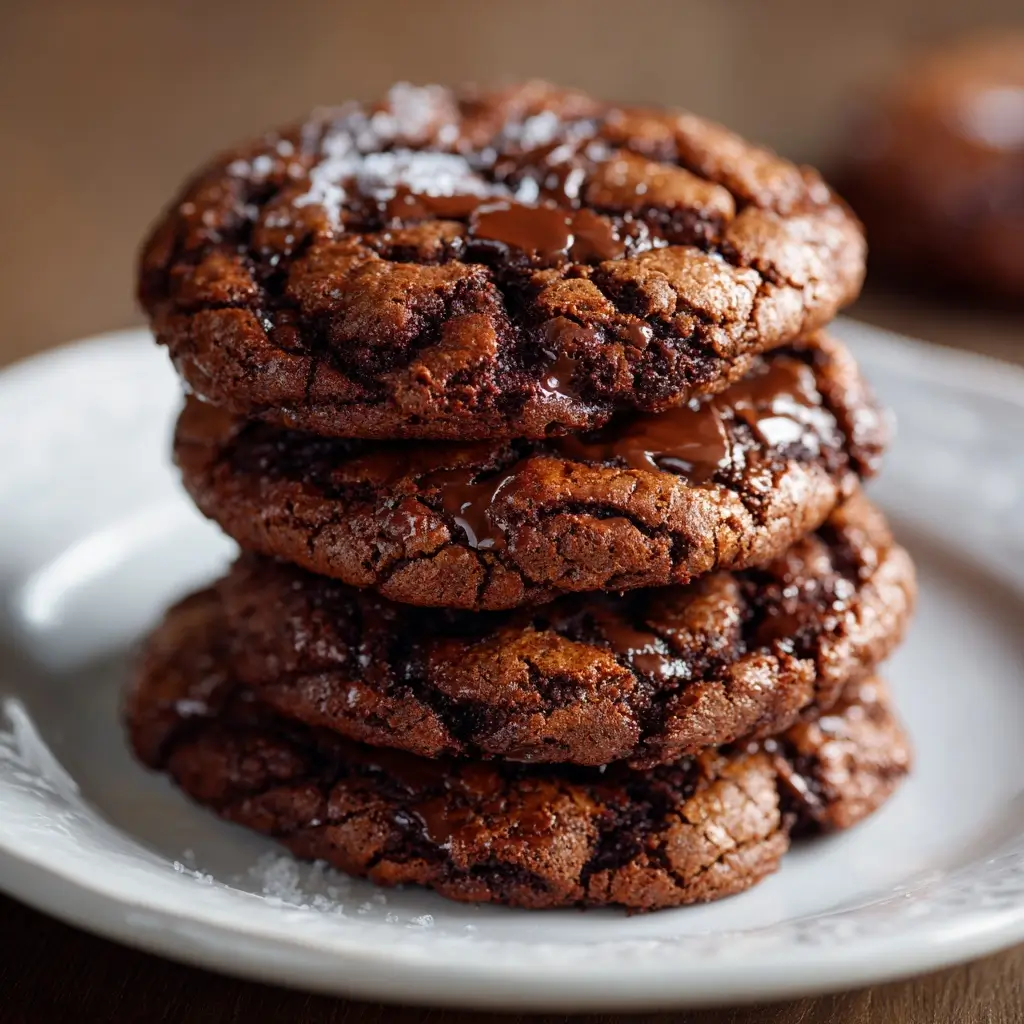
Fudgy Chocolate Cookies: A Decadent Delight for Chocolate Lovers
There’s nothing quite like sinking your teeth into a rich, fudgy chocolate cookie—moist, dense, and bursting with deep cocoa flavor. These aren’t your average crispy chocolate chip cookies; fudgy chocolate cookies are soft-centered, slightly chewy around the edges, and melt-in-your-mouth luxurious. Whether you’re baking them for a cozy night in, a holiday treat platter, or to impress guests, this recipe delivers pure chocolate bliss in every bite. Let’s dive deep into everything you need to know about crafting the perfect batch of fudgy chocolate cookies.
The History of Fudgy Chocolate Cookies
The origin of fudgy chocolate cookies is closely tied to the evolution of chocolate desserts in American baking during the early 20th century. As chocolate became more accessible and affordable thanks to industrial advancements by companies like Hershey’s and Nestlé, home bakers began experimenting with richer, darker chocolate treats. The classic chocolate chip cookie was invented in the 1930s by Ruth Wakefield at the Toll House Inn, but it wasn’t long before variations emerged—especially those aiming for a denser, more indulgent texture.
Fudgy chocolate cookies, as we know them today, likely evolved from attempts to replicate the texture of actual fudge in cookie form. Bakers discovered that increasing the ratio of wet ingredients (like butter, eggs, and sugar) to dry, reducing flour, and using high-fat cocoa powder or melted chocolate created a gooey, moist interior. Over time, these “brownie-like” cookies gained popularity among chocolate enthusiasts who preferred depth of flavor and a tender crumb over crispiness. Today, fudgy chocolate cookies are a staple in dessert cookbooks and bakeries worldwide, celebrated for their intense chocolate profile and satisfying mouthfeel.
Ingredients Breakdown: Why Each One Matters
The magic behind fudgy chocolate cookies lies not just in technique, but in the careful selection and balance of ingredients. Here’s a detailed look at each component and its role in creating that signature dense, moist texture:
- Unsweetened Cocoa Powder (Dutch-process or natural): This is the backbone of chocolate flavor. Dutch-process cocoa is alkalized, giving a smoother, milder taste and darker color, while natural cocoa offers a sharper, more acidic bite. Both work well, though Dutch-process often produces a richer fudge-like quality.
- Dark Chocolate or Semi-Sweet Chocolate Chips: Using real chocolate (either chopped bars or high-quality chips) adds pockets of melty goodness. Bars tend to have better melt consistency than standard chips, which contain stabilizers.
- Butter (Unsalted): High-fat European-style butter enhances richness. Butter provides moisture, flavor, and helps create a tender crumb. Melting the butter (rather than creaming) contributes to a denser texture.
- Granulated Sugar & Brown Sugar: Granulated sugar helps with structure and slight crispness on the edges, while brown sugar (light or dark) brings moisture and chewiness due to its molasses content.
- Eggs: Eggs bind the ingredients and add moisture. The yolks contribute fat for richness, while the whites provide some structure. Using an extra yolk can enhance fudginess even further.
- Vanilla Extract: Enhances overall flavor complexity and rounds out the sweetness.
- All-Purpose Flour: Used sparingly to avoid puffiness. Too much flour leads to cakey cookies; minimal flour keeps them fudgy.
- Baking Soda & Salt: Baking soda acts as a leavening agent, though used minimally to prevent rise. Salt balances sweetness and intensifies chocolate flavor.
- Espresso Powder (optional): Not mandatory, but a small amount deepens the chocolate notes without making the cookies taste like coffee.
Step-by-Step Recipe for Perfect Fudgy Chocolate Cookies
Ingredients
- ¾ cup (170g) unsalted butter
- 1 cup (200g) granulated sugar
- ½ cup (100g) packed light or dark brown sugar
- 2 large eggs, at room temperature
- 1 large egg yolk (optional, for extra fudginess)
- 2 teaspoons pure vanilla extract
- ¾ cup (75g) unsweetened cocoa powder (preferably Dutch-process)
- 1 cup (120g) all-purpose flour
- ½ teaspoon baking soda
- ½ teaspoon salt
- 1¼ cups (225g) semi-sweet or dark chocolate chips or chopped chocolate
- 1 teaspoon instant espresso powder (optional)
Directions
- Preheat Oven & Prepare Baking Sheets: Preheat your oven to 350°F (175°C). Line two large baking sheets with parchment paper or silicone baking mats.
- Melt Butter & Mix Sugars: In a medium saucepan over low heat, melt the butter completely. Remove from heat and stir in both granulated and brown sugars until fully combined and smooth. Let cool slightly for 5–10 minutes so it doesn’t cook the eggs when added.
- Add Wet Ingredients: In a large mixing bowl, whisk together the melted butter-sugar mixture, eggs, egg yolk (if using), and vanilla extract until smooth and well blended. The mixture should be glossy and emulsified.
- Sift Dry Ingredients: In a separate bowl, sift together the cocoa powder, flour, baking soda, salt, and espresso powder (if using). Sifting prevents lumps and ensures even distribution.
- Combine Wet & Dry: Gradually add the dry ingredients to the wet mixture, stirring gently with a spatula until just combined. Do not overmix. Fold in the chocolate chips or chopped chocolate until evenly distributed.
- Chill the Dough (Optional but Recommended): Cover the dough and refrigerate for at least 30 minutes (up to 72 hours). Chilling enhances flavor, prevents excessive spreading, and improves texture.
- Scoop & Shape: Use a cookie scoop or tablespoon to portion the dough into balls (about 1.5 tablespoons each). Roll them smoothly and place them on the prepared baking sheets, spacing them at least 2 inches apart.
- Bake: Bake one sheet at a time in the center rack for 10–12 minutes. The cookies are done when the edges are set but the centers still appear soft and slightly underbaked. They will continue to firm up as they cool.
- Cool: Let the cookies cool on the baking sheet for 5 minutes before transferring to a wire rack to cool completely. This resting period allows them to finish setting without becoming too hard.
Tips for Achieving the Ultimate Fudgy Texture
- Don’t Overbake: The key to fudgy cookies is pulling them out when they still look underdone. If the centers look fully set, they’ll likely be cakey once cooled.
- Use Melted Butter: Creaming butter traps air and creates fluffier cookies. Melting eliminates this, leading to denser, fudgier results.
- Measure Flour Accurately: Spoon flour into your measuring cup and level it off—don’t scoop directly from the bag. Too much flour ruins the texture.
- Chill the Dough: Cold dough spreads less and develops deeper flavor. Overnight chilling is ideal for maximum richness.
- Under-Reduce Spread: If cookies spread too much, ensure your butter isn’t too hot when mixed and that the dough is properly chilled.
- Use Quality Chocolate: Since chocolate is a star ingredient, opt for high-cocoa-content bars (60–70%) for a more sophisticated taste.
- Store Properly: Keep cookies in an airtight container at room temperature for up to 5 days. For longer storage, freeze the dough balls and bake as needed.
Variations and Customizations
While classic fudgy chocolate cookies are divine on their own, there are endless ways to customize them to suit your mood or occasion:
- Peanut Butter Swirl: Add a spoonful of peanut butter to each dough ball and swirl gently before baking.
- Mint Chocolate: Add ¼ teaspoon peppermint extract and fold in crushed candy canes or mint chocolate chips.
- Sea Salt Finish: Sprinkle a pinch of flaky sea salt on top right after baking for a sweet-salty contrast.
- Orange Zest: Add 1 teaspoon of orange zest to brighten the deep chocolate flavor.
- Gluten-Free: Substitute the all-purpose flour with a 1:1 gluten-free baking blend. Ensure cocoa powder and chocolate are certified GF.
- Vegan Version: Replace butter with vegan butter, use flax eggs (1 tbsp ground flax + 3 tbsp water per egg), and choose dairy-free chocolate.
- Double Chocolate Chunk: Use chocolate chunks instead of chips and add a few squares of white chocolate for contrast.
- Stuffed Cookies: Place a piece of chocolate truffle, marshmallow, or caramel in the center of each dough ball before baking.
Health Considerations and Nutritional Value
Fudgy chocolate cookies are undeniably indulgent, so it’s important to enjoy them in moderation. That said, they do offer some nutritional benefits when viewed through the lens of mindful consumption:
- Antioxidants from Cocoa: Dark cocoa is rich in flavonoids, which have been linked to improved heart health and reduced inflammation.
- Energy Boost: Thanks to carbohydrates and fats, these cookies provide quick energy—ideal as an occasional treat after physical activity.
- Dietary Modifications: You can reduce sugar by using coconut sugar or monk fruit blends, though texture may vary. Reducing butter significantly will compromise fudginess.
- Allergens: Contains dairy, eggs, wheat, and soy (in most chocolate). Always check labels if serving someone with allergies.
- Portion Control: Stick to one or two cookies rather than eating half the batch. Pair with milk, tea, or fruit to balance the experience.
Per cookie (based on 24 cookies per batch):
- Calories: ~180–200
- Fat: 10–12g (mostly from butter and chocolate)
- Carbohydrates: 22–25g
- Sugar: 15–17g
- Protein: 2–3g
- Fiber: 1g
Frequently Asked Questions (FAQ)
Q: Why are my chocolate cookies cakey instead of fudgy?
A: This usually happens due to too much flour, overmixing, or overbaking. Measure flour correctly, don’t overwork the batter, and take cookies out when centers still look soft.
Q: Can I make the dough ahead of time?
A: Absolutely! Chilled dough can be refrigerated for up to 3 days or frozen for up to 3 months. Bake straight from frozen, adding 1–2 minutes to baking time.
Q: Can I use oil instead of butter?
A: While possible, oil lacks the flavor and structure of butter. Results may be greasier and less rich. If substituting, use ⅔ the amount of a neutral oil like avocado.
Q: Why did my cookies spread too much?
A: Common causes include warm dough, melted butter added too hot, or insufficient flour. Chill the dough thoroughly and double-check measurements.
Q: Can I double the recipe?
A: Yes, this recipe scales well. Just make sure your mixing bowl is large enough and that you bake in batches to avoid overcrowding the oven.
Q: Are fudgy chocolate cookies the same as brownies?
A: They share similarities in texture and ingredients, but cookies are smaller, rounder, and baked individually. Brownies are typically baked in a pan and cut into squares.
Summary
Fudgy chocolate cookies are the ultimate treat for anyone who craves intense chocolate flavor with a soft, dense, melt-in-your-mouth texture. Made with simple pantry staples and crafted with attention to detail, they deliver bakery-quality results at home.
Perfect for gifting, holiday trays, or late-night cravings, these cookies redefine chocolate satisfaction—one decadent bite at a time.