
Introduction
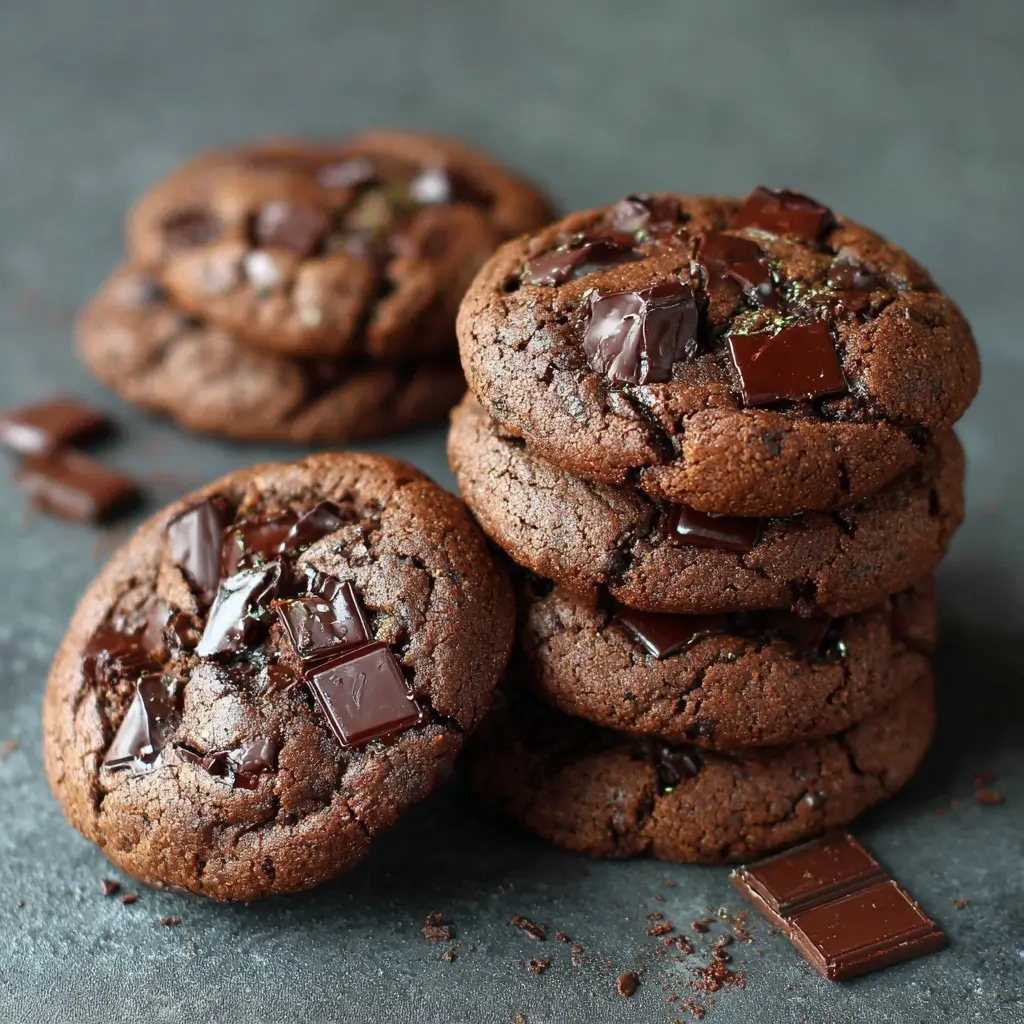
Indulge in the rich, decadent world of Double Chocolate Chunk Cookies—a dessert lover’s dream come true. These cookies are the ultimate fusion of deep cocoa flavor and melty chocolate chunks, delivering a fudgy, chewy texture with a slight crisp around the edges. Perfectly suited for chocolate enthusiasts, this recipe elevates the classic chocolate chip cookie by doubling down on everything chocolate. Whether you’re baking for a special occasion, a cozy night in, or simply satisfying a sweet craving, these double chocolate chunk cookies promise to deliver an unforgettable experience with every bite.
The History
The origin of the chocolate chip cookie traces back to the 1930s when Ruth Wakefield, owner of the Toll House Inn in Massachusetts, famously added chopped bits of a Nestlé chocolate bar into her butter drop cookie dough, expecting them to melt and distribute evenly. Instead, they held their shape, creating what would become one of America’s most beloved desserts. Over time, bakers began experimenting with variations—adding nuts, using different types of chocolate, and even incorporating cocoa powder for deeper flavor.
The Double Chocolate Chunk Cookie emerged as a natural evolution of this innovation. As palates grew more sophisticated and chocolate lovers sought richer experiences, combining cocoa-enriched dough with generous chunks of semi-sweet or dark chocolate became a popular twist. By the 1980s and 1990s, gourmet bakeries and home cooks alike embraced the double chocolate concept, leading to countless renditions seen today in cafes, bakeries, and family kitchens worldwide. This version stands as a tribute to that legacy—luxurious, deeply chocolatey, and utterly irresistible.
Ingredients Breakdown
Understanding each ingredient is key to achieving the perfect texture and flavor in your Double Chocolate Chunk Cookies:
- All-Purpose Flour: Provides structure. Sifted to avoid clumps and ensure even mixing.
- Cocoa Powder (Unsweetened): The soul of the double chocolate element. Use high-quality Dutch-processed or natural cocoa for a rich, robust flavor.
- Baking Soda: A leavening agent that helps the cookies rise slightly while creating a tender crumb.
- Salt: Enhances all flavors and balances sweetness. Fine sea salt works best for even distribution.
- Unsalted Butter: Adds moisture, richness, and flavor. Should be softened to room temperature for proper creaming.
- Granulated Sugar: Contributes to sweetness and helps create a slight crunch on the surface.
- Brown Sugar (packed): Adds moisture, chewiness, and a hint of molasses depth.
- Large Eggs: Bind the ingredients together and add structure while contributing to softness.
- Pure Vanilla Extract: Enhances overall flavor complexity and rounds out the sweetness.
- Dark Chocolate Chunks (or chopped chocolate bars): The star addition. High-cacao content (60–70%) chocolate ensures a luxurious melt and bold taste. Avoid chocolate chips if possible—they’re formulated to hold shape; real chocolate chunks provide better mouthfeel.
- Optional Add-ins: Espresso powder (enhances chocolate flavor), flaky sea salt for topping, or chopped nuts like walnuts or pecans for texture contrast.
Step-by-Step Recipe
- Preheat Oven & Prepare Baking Sheets: Preheat your oven to 350°F (175°C). Line two large baking sheets with parchment paper or silicone baking mats to prevent sticking.
- Mix Dry Ingredients: In a medium bowl, whisk together 2 cups (250g) all-purpose flour, ½ cup (45g) unsweetened cocoa powder, 1 teaspoon baking soda, and ¾ teaspoon salt. Set aside.
- Cream Butter and Sugars: In a large mixing bowl, beat 1 cup (2 sticks or 226g) softened unsalted butter with ¾ cup (150g) granulated sugar and ¾ cup (160g) packed brown sugar until light, fluffy, and pale—about 3–4 minutes using a hand mixer or stand mixer.
- Add Wet Ingredients: Beat in 2 large eggs, one at a time, ensuring each is fully incorporated before adding the next. Mix in 2 teaspoons pure vanilla extract.
- Incorporate Dry Mixture: Gradually add the dry ingredients to the wet mixture, mixing on low speed until just combined. Do not overmix—it can lead to tough cookies.
- Fold in Chocolate Chunks: Using a rubber spatula, gently fold in 2 cups (340g) of chopped dark chocolate or premium chocolate chunks until evenly distributed throughout the dough.
- Chill the Dough (Recommended): For thicker, chewier cookies, cover the dough and refrigerate for at least 1 hour (up to 72 hours). This step prevents excessive spreading during baking.
- Portion the Dough: Use a cookie scoop or tablespoon to portion dough into balls (about 2 tablespoons each). Roll them evenly and place at least 2 inches apart on prepared baking sheets.
- Bake: Bake one sheet at a time in the center rack for 10–12 minutes. The cookies should look slightly underdone in the center but set around the edges. They will continue to firm up as they cool.
- Cool: Let cookies rest on the baking sheet for 5 minutes before transferring to a wire rack to cool completely. Alternatively, enjoy warm with a glass of cold milk for maximum indulgence.
Tips
- Use Room Temperature Ingredients: Ensure butter and eggs are at room temperature for smoother blending and consistent texture.
- Don’t Skip the Chill: Chilling the dough enhances flavor development and reduces spread, resulting in puffier cookies.
- Measure Flour Correctly: Spoon flour into the measuring cup and level off—don’t scoop directly from the bag, which compacts it and leads to dry cookies.
- Underbake Slightly: Remove cookies when centers still appear soft. They’ll firm up perfectly upon cooling.
- Rotate the Pan: If your oven has hot spots, rotate the baking sheet halfway through baking for even browning.
- Invest in Quality Chocolate: Since chocolate is a primary ingredient, splurge on good bars like Ghirardelli, Valrhona, or Callebaut for superior taste and melt.
- Use Parchment Paper: It ensures easy release and prevents burning on the bottom.
- Store Properly: Keep cooled cookies in an airtight container at room temperature for up to 5 days. For longer storage, freeze baked cookies or dough balls.
Variations and Customizations
- White Chocolate & Dark Chocolate Swirl: Replace half the dark chocolate chunks with white chocolate for a sweeter, contrasting flavor profile.
- Double Chocolate Mint: Add ¼ teaspoon peppermint extract along with the vanilla for a festive twist.
- Gluten-Free Version: Substitute all-purpose flour with a 1:1 gluten-free baking blend (ensure it contains xanthan gum).
- Vegan Adaptation: Use plant-based butter, flax eggs (1 tbsp ground flax + 3 tbsp water per egg), and dairy-free chocolate chunks.
- Nutty Crunch: Fold in ½ cup toasted chopped walnuts, pecans, or hazelnuts for added texture.
- Spiced Chocolate: Add ½ teaspoon cinnamon, a pinch of cayenne, or ¼ teaspoon espresso powder to intensify the chocolate notes.
- Stuffed Cookies: Place a small piece of caramel, a peanut butter cup, or a marshmallow inside each dough ball before baking for a gooey surprise center.
- Sea Salt Finish: Sprinkle the tops with flaky sea salt immediately after removing from the oven for a sweet-and-salty sensation.
- Mini Cookies: Use a teaspoon-sized scoop for bite-sized treats ideal for parties or cookie platters.
- Cookie Sandwiches: Pair two cookies with a layer of chocolate ganache, mint frosting, or whipped peanut butter filling.
Health Considerations and Nutritional Value
While undeniably delicious, Double Chocolate Chunk Cookies are best enjoyed in moderation due to their high sugar, fat, and calorie content. Here’s a general nutritional breakdown per cookie (based on 24 cookies per batch):
- Calories: ~220–250 kcal
- Total Fat: 13–16g (mostly from butter and chocolate)
- Saturated Fat: 8–10g
- Carbohydrates: 28–32g
- Sugars: 18–22g
- Protein: 2–3g
- Fiber: 1–2g (from cocoa and flour)
Considerations:
- High sugar content may affect blood glucose levels—diabetics should consume cautiously or adapt with sugar substitutes like erythritol or monk fruit (note: texture may vary).
- Lactose-intolerant individuals can use dairy-free alternatives.
- To reduce refined sugars, substitute part of the granulated sugar with coconut sugar or date paste, though color and texture may shift.
- For increased fiber and nutrients, replace ¼ cup of flour with almond flour or oat flour.
- Antioxidants from dark chocolate (especially 70%+ cacao) offer some health benefits, including heart-protective flavonoids—but not in quantities that offset the overall indulgence.
These cookies are not health food, but they can be part of a balanced diet when consumed mindfully and occasionally.
Ingredients
- 2 cups (250g) all-purpose flour
- ½ cup (45g) unsweetened cocoa powder (Dutch-process or natural)
- 1 teaspoon baking soda
- ¾ teaspoon salt
- 1 cup (226g) unsalted butter, softened
- ¾ cup (150g) granulated sugar
- ¾ cup (160g) packed brown sugar
- 2 large eggs, room temperature
- 2 teaspoons pure vanilla extract
- 2 cups (340g) chopped dark chocolate chunks (60–70% cacao)
- Optional: ¼ teaspoon espresso powder, flaky sea salt for topping
Directions
- Preheat oven to 350°F (175°C). Line baking sheets with parchment paper.
- In a medium bowl, whisk together flour, cocoa powder, baking soda, and salt. Set aside.
- In a large bowl, cream softened butter, granulated sugar, and brown sugar until light and fluffy (3–4 minutes).
- Beat in eggs one at a time, then mix in vanilla extract.
- Gradually add dry ingredients to wet, mixing on low until just combined.
- Fold in chocolate chunks with a spatula until evenly dispersed.
- (Optional but recommended) Cover dough and chill for 1–24 hours.
- Roll dough into 2-tablespoon balls and place 2 inches apart on baking sheets.
- Bake for 10–12 minutes until edges are set but centers are soft.
- Cool on baking sheet for 5 minutes, then transfer to wire rack. Sprinkle with sea salt if desired.
- Enjoy warm or store in an airtight container.
FAQ
Can I make these cookies without chilling the dough?
Yes, but chilling improves texture and prevents overspreading. Unchilled dough may yield flatter, crispier cookies.
Why are my cookies too flat?
Possible causes: butter was too soft, dough wasn’t chilled, too little flour, or hot baking sheets. Always use room temp—not melted—butter and let pans cool between batches.
Can I freeze the cookie dough?
Absolutely! Portion into balls, freeze on a tray, then transfer to a freezer bag. Bake straight from frozen—add 1–2 minutes to baking time.
Can I use chocolate chips instead of chopped chocolate?
You can, but real chocolate chunks melt more beautifully and offer a silkier texture. Chips contain stabilizers that resist melting.
How do I make softer, chewier cookies?
Increase brown sugar slightly, don’t overbake, and always chill the dough. Baking at 325°F for 12–13 minutes also yields softer results.
Are these cookies safe for kids?
Yes, though they contain moderate caffeine from cocoa (especially dark chocolate). One cookie has less caffeine than a cup of decaf coffee.
Can I double the recipe?
Yes, this recipe scales well. Just ensure your mixer can handle the volume and mix in batches if needed.
Why did my cookies crack on top?
Cracking is normal and often a sign of proper creaming. It creates an attractive, artisanal look and doesn’t affect taste.
Summary
Double Chocolate Chunk Cookies are a luxurious, deeply chocolatey treat that combines cocoa-rich dough with melty pockets of premium chocolate for an irresistibly chewy, fudgy texture.
Perfect for gifting, sharing, or savoring solo, these cookies are a timeless indulgence that celebrates the magic of chocolate in its fullest form.