
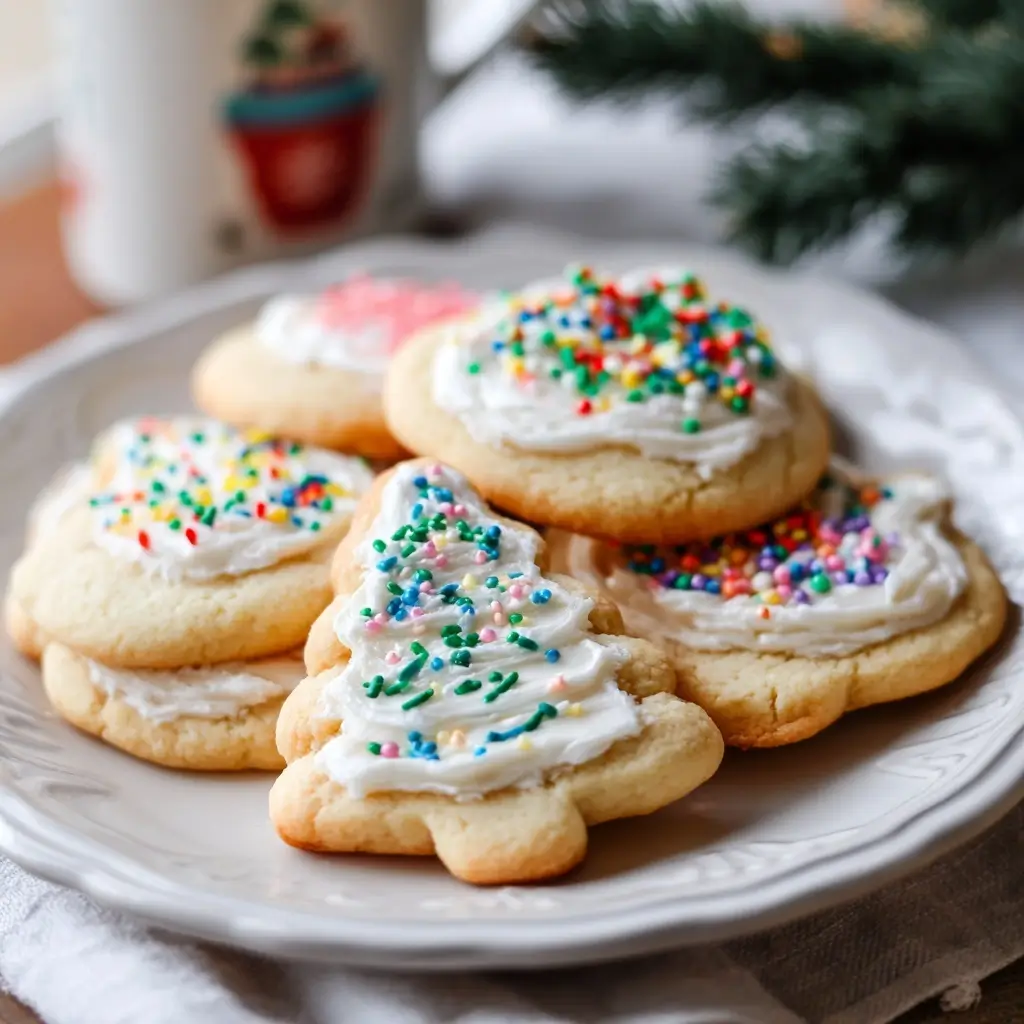
Soft Frosted Sugar Cookies: A Timeless Treat for Every Occasion
There’s something undeniably magical about biting into a soft, pillowy sugar cookie topped with a velvety layer of sweet frosting. Soft frosted sugar cookies are a beloved classic in American baking, cherished during holidays, birthdays, baby showers, and everyday moments alike. Their tender crumb, delicate sweetness, and smooth buttery frosting make them the ultimate comfort treat—simple yet sophisticated, nostalgic yet endlessly customizable.
The History of Sugar Cookies
Sugar cookies have roots that trace back to 18th-century Protestant communities in Pennsylvania, particularly among the German Protestant sect known as the Nazarenes. These early bakers were renowned for their use of dry ingredients and minimal moisture, which allowed their creations to last longer without spoiling—a necessity before modern refrigeration. The original “Nazareth cookie” was born in Moravian settlements and is considered the direct ancestor of today’s sugar cookie.
By the 19th century, sugar became more widely available and affordable across the United States, allowing home bakers to experiment with sweeter doughs. Recipes evolved, incorporating butter, eggs, and leavening agents like baking powder, transforming the hard, crisp cookies into softer, cakelike versions. The invention of the hand-cranked cookie cutter also made decorative sugar cookies more accessible to the average household.
Frosted sugar cookies gained widespread popularity in the mid-20th century, especially around Christmas time, when families began using royal icing or simple powdered sugar frostings to decorate cut-out shapes. Today, soft frosted sugar cookies are not only a holiday staple but a year-round favorite, seen at weddings, parties, and bakeries across the country.
Ingredients Breakdown: What Makes These Cookies So Soft and Delicious?
The magic behind soft frosted sugar cookies lies in the careful balance of ingredients that create a tender texture while supporting a luscious frosting. Let’s take a deep dive into each component:
- Butter (unsalted): Provides rich flavor and contributes to the cookie’s melt-in-your-mouth texture. Using softened (not melted) butter ensures proper creaming with sugar, trapping air for a lighter crumb.
- Granulated Sugar: Sweetens the dough and helps create a slightly crisp edge while maintaining softness inside. It also aids in browning during baking.
- Brown Sugar (light or dark): Adds moisture and depth of flavor due to its molasses content. This is key to achieving softness and chewiness.
- Eggs (large): Bind the ingredients together and add structure. They also contribute to the slight cake-like texture of soft sugar cookies.
- Vanilla Extract: Enhances sweetness and adds aromatic warmth. Pure vanilla extract gives a more complex flavor than imitation.
- All-Purpose Flour: The foundation of the cookie. Measured correctly (spooned and leveled), it prevents the dough from becoming too dense.
- Baking Powder: A chemical leavener that helps the cookies rise slightly and stay soft and airy.
- Salt: Balances sweetness and enhances overall flavor. Even a small amount makes a noticeable difference.
- Milk or Heavy Cream (in frosting): Thins the frosting to the perfect spreading consistency while adding richness.
- Powdered Sugar (confectioners’ sugar): Forms the base of the frosting. Its fine texture creates a smooth, silky finish without graininess.
- Butter (in frosting): Adds body and a creamy mouthfeel to the frosting, preventing it from being overly sugary.
- Food Coloring (optional): Allows for creative customization, especially for themed events.
Step-by-Step Recipe: How to Make Perfect Soft Frosted Sugar Cookies
Ingredients
For the Cookies:
- 1 cup (2 sticks / 226g) unsalted butter, softened to room temperature
- 1 cup (200g) granulated sugar
- 1/2 cup (100g) packed light brown sugar
- 2 large eggs, at room temperature
- 2 teaspoons pure vanilla extract
- 3 cups (360g) all-purpose flour (spooned and leveled)
- 1 teaspoon baking powder
- 1/2 teaspoon salt
For the Frosting:
- 1/2 cup (1 stick / 113g) unsalted butter, softened
- 3 to 4 cups (360–480g) powdered sugar, sifted
- 2 to 3 tablespoons milk or heavy cream
- 1 teaspoon pure vanilla extract
- Pinch of salt
- Food coloring (gel preferred), if desired
Directions
- Cream the Butters and Sugars: In a large mixing bowl using a hand mixer or stand mixer fitted with the paddle attachment, beat the softened butter, granulated sugar, and brown sugar together on medium speed until light and fluffy (about 3–4 minutes). Scrape down the sides of the bowl as needed.
- Add Wet Ingredients: Beat in the eggs one at a time, ensuring each is fully incorporated before adding the next. Mix in the vanilla extract. The mixture may look slightly curdled if the eggs are cold, so ensure they’re at room temperature for best results.
- Combine Dry Ingredients: In a separate bowl, whisk together the flour, baking powder, and salt until well combined.
- Incorporate Dry into Wet: Gradually add the dry ingredients to the wet mixture on low speed, mixing just until the dough comes together. Do not overmix, as this can lead to tough cookies.
- Chill the Dough: Cover the bowl with plastic wrap or transfer the dough to an airtight container. Refrigerate for at least 1 hour (up to 48 hours). Chilling prevents spreading and enhances flavor development.
- Preheat Oven & Prepare Baking Sheets: Preheat your oven to 350°F (177°C). Line baking sheets with parchment paper or silicone baking mats.
- Shape and Scoop: Once chilled, scoop the dough using a cookie scoop (about 1.5–2 tablespoons per cookie) and roll into balls. Place them at least 2 inches apart on the prepared baking sheets.
- Bake: Bake for 10–12 minutes, or until the edges are lightly golden but the centers still appear soft and pale. These cookies continue to cook slightly on the sheet after removal from the oven.
- Cool: Allow the cookies to cool on the baking sheet for 5 minutes before transferring them to a wire rack to cool completely. Cooling is essential before frosting—warm cookies will melt the frosting.
- Make the Frosting: While cookies cool, prepare the frosting. Beat the softened butter on high speed for 1 minute until creamy. Gradually add 3 cups of sifted powdered sugar, 1 tablespoon of milk, vanilla, and salt. Beat on low initially, then increase to high for 2–3 minutes until fluffy. Add more powdered sugar or milk as needed to reach a thick but spreadable consistency.
- Frost the Cookies: Once cookies are completely cool, spread or pipe frosting onto each one. Use a butter knife, offset spatula, or piping bag fitted with a round tip. If using food coloring, divide the frosting and tint as desired.
- Set the Frosting: Allow the frosted cookies to sit at room temperature for at least 30 minutes to set. For faster setting, place them in the refrigerator for 10–15 minutes.
Tips for Perfect Soft Frosted Sugar Cookies
- Use Room Temperature Ingredients: Cold butter or eggs can cause the dough to seize or result in uneven mixing. Take everything out 1–2 hours before baking.
- Don’t Skip Chilling: Chilled dough spreads less and yields thicker, softer cookies. You can even freeze the dough balls for 15 minutes before baking for extra control.
- Measure Flour Accurately: Too much flour leads to dry, dense cookies. Spoon flour into the measuring cup and level it off—never scoop directly from the bag.
- Underbake Slightly: Remove cookies when the edges are set but the center looks underdone. They’ll firm up as they cool, staying soft and chewy.
- Rotate Baking Sheets: Ovens have hot spots. Rotate the tray halfway through baking for even browning.
- Use Gel Food Coloring: Liquid food coloring can thin the frosting too much and alter the taste. Gel colors are more concentrated and won’t affect consistency.
- Frost Completely Cooled Cookies: Warm cookies = melted frosting. Patience pays off!
- Store Properly: Keep frosted cookies in an airtight container at room temperature for up to 5 days. Layer with parchment paper to prevent sticking.
Variations and Customizations
One of the greatest joys of soft frosted sugar cookies is how easily they adapt to any theme, season, or preference. Here are some fun ways to personalize them:
- Holiday-Themed: Use red and green frosting for Christmas, pastels for Easter, orange and black for Halloween, or red and pink for Valentine’s Day. Add sprinkles or edible glitter for extra flair.
- Lemon or Almond Infused: Replace half the vanilla extract with lemon zest + lemon extract or almond extract for a fragrant twist.
- Gluten-Free Version: Substitute all-purpose flour with a 1:1 gluten-free baking blend (like Bob’s Red Mill or King Arthur). Ensure other ingredients are certified GF.
- Dairy-Free Option: Use plant-based butter (e.g., Earth Balance) and dairy-free milk in both the cookies and frosting.
- Vegan Adaptation: Replace eggs with flax eggs (1 tbsp ground flaxseed + 3 tbsp water per egg) and use vegan butter and non-dairy milk.
- Chocolate Lover’s Twist: Add 1/2 cup mini chocolate chips to the dough or drizzle melted chocolate over the frosted cookies.
- Cookie Sandwiches: Make smaller cookies and sandwich them with frosting in the middle—like a soft sugar cookie whoopie pie!
- Decorated Cut-Outs: Roll out chilled dough and use cookie cutters for shapes. Bake and frost for birthdays, baby announcements, or wedding favors.
- Flavored Frostings: Try chocolate buttercream, strawberry whipped frosting, or maple-cinnamon swirl for variety.
Health Considerations and Nutritional Value
While soft frosted sugar cookies are undeniably indulgent, understanding their nutritional profile can help you enjoy them mindfully:
Nutritional Breakdown (Per Cookie, approximately 2-inch diameter with frosting):
- Calories: ~180–220 kcal
- Total Fat: 8–10g (mostly from butter)
- Saturated Fat: 5g
- Carbohydrates: 30–35g
- Sugars: 20–25g (naturally high due to multiple sugar sources)
- Protein: 2–3g
- Sodium: ~80–100mg
Health Tips:
- Portion Control: Enjoy one or two as a treat rather than eating multiple in one sitting.
- Balanced Pairing: Serve with fresh fruit, herbal tea, or a glass of milk to balance the meal.
- Reduce Sugar: You can reduce granulated sugar by 1/4 cup in the dough and use less sweet frosting, though texture may be slightly affected.
- Boost Nutrition: Add finely ground oats or almond flour (replace up to 1/2 cup of AP flour) for added fiber and protein.
- Watch for Allergens: Contains dairy, eggs, wheat, and potential tree nut traces depending on ingredients used. Always label accordingly when sharing.
These cookies are best enjoyed occasionally as part of a balanced diet. They’re not health food—but they do nourish the soul.
Frequently Asked Questions (FAQ)
Can I make these cookies ahead of time?
Absolutely! You can prepare the dough up to 2 days in advance and keep it refrigerated. Baked unfrosted cookies can be stored in an airtight container for up to 1 week or frozen for 3 months. Frost them just before serving for the freshest look.
Can I freeze frosted sugar cookies?
Yes, but with caution. Freeze unfrosted cookies first, then frost and refreeze. To avoid smudging, place frosted cookies in a single layer on a tray and freeze until solid (2 hours), then wrap individually in plastic and store in a freezer-safe container for up to 2 months. Thaw at room temperature before serving.
Why did my cookies spread too much?
Common causes include: butter too soft or melted, insufficient flour, skipping the chill step, or placing dough on warm baking sheets. Always use properly softened butter, measure flour accurately, and chill the dough.
Can I use a different frosting?
Yes! Royal icing dries harder and is great for detailed decorating. Cream cheese frosting adds tanginess. Whipped chocolate ganache or marshmallow fluff are also delicious alternatives.
How do I get perfectly smooth frosting?
Beat the frosting long enough to become light and airy. Use an offset spatula dipped in warm water (dried quickly) to smooth the surface. Alternatively, pipe a dam around the edge and fill in with a spoon for a flat finish.
Can I make these without eggs?
Yes. Use flax eggs (1 tbsp ground flax + 3 tbsp water per egg) or commercial egg replacers like Ener-G. Texture may be slightly denser, but still enjoyable.
Why are my cookies dry?
Overmixing the dough, using too much flour, or overbaking can cause dryness. Measure flour carefully and remove cookies when centers still look soft.
Can I double the recipe?
Yes, this recipe scales well. Just ensure your mixer can handle the volume. Divide dough and chill in batches if needed.
Summary
Soft frosted sugar cookies are a timeless homemade delight—tender, buttery, and crowned with sweet vanilla frosting, perfect for any celebration or quiet moment of joy.
Bake once, and you’ll understand why generations keep coming back to this comforting classic.