
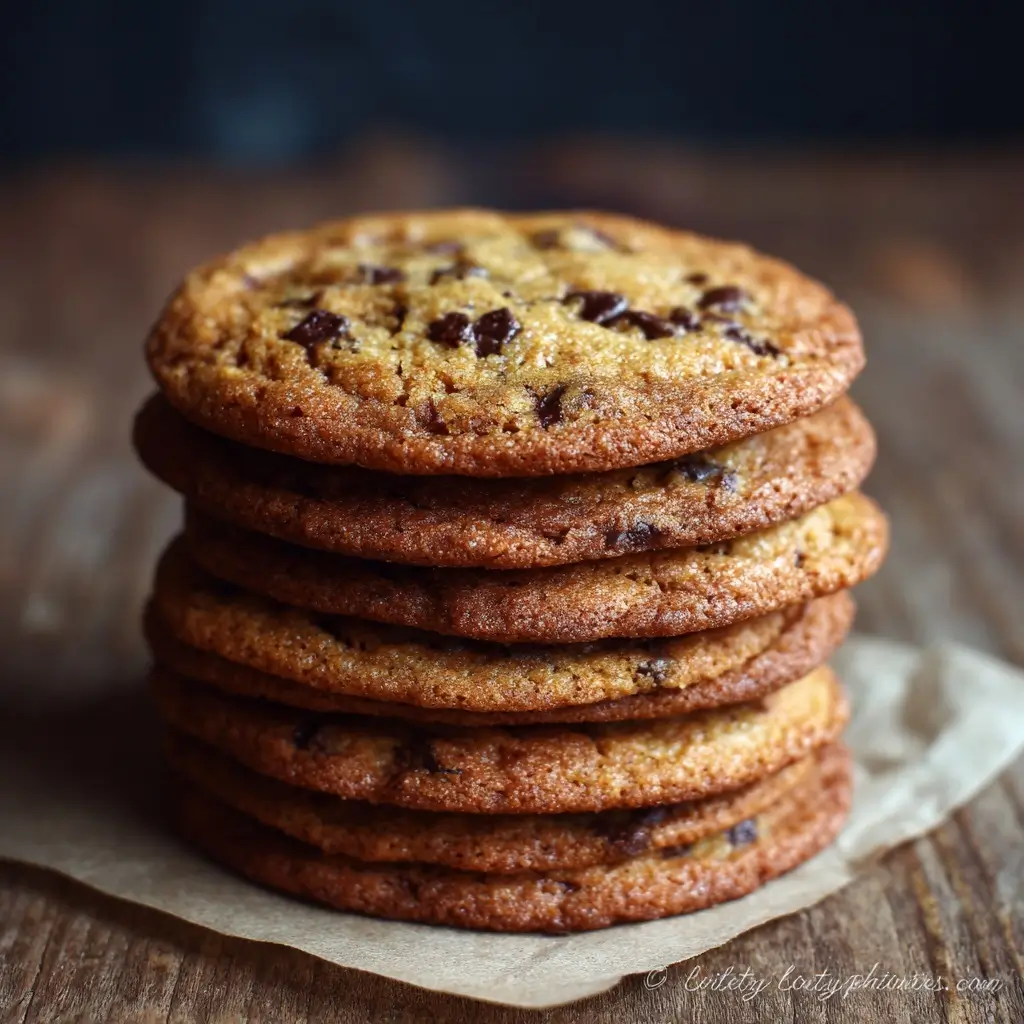
Crispy Edge, Chewy Center Cookies
There’s something magical about the perfect cookie — a golden, crisp outer shell that gives way to a soft, gooey, melt-in-your-mouth center. Crispy edge, chewy center cookies are the ultimate dessert experience, combining contrasting textures in every bite. Loved by bakers and dessert enthusiasts alike, this type of cookie strikes the ideal balance between crunch and tenderness, making it a favorite for gatherings, gifts, or a simple indulgence after dinner.
The History of the Crispy Edge, Chewy Center Cookie
The journey of the modern chocolate chip cookie — the most popular vehicle for achieving that crispy-chewy texture — began in the 1930s at the Toll House Inn in Whitman, Massachusetts. Ruth Wakefield, the inn’s proprietor, ran out of baker’s chocolate while making chocolate cookies and substituted a chopped bar of Nestlé semi-sweet chocolate, expecting it to melt evenly into the dough. Instead, the chunks held their shape, creating the first-ever chocolate chip cookies. The recipe quickly gained fame, especially after Nestlé began printing it on their chocolate bars.
Over the decades, bakers experimented with ingredients and techniques to refine the cookie’s texture. While some versions leaned toward cakey or crunchy results, the pursuit of the holy grail — a cookie with a crisp edge and a chewy center — became a culinary obsession. Through careful adjustments in fat content, sugar ratios, flour types, and baking times, the crispy edge, chewy center cookie emerged as a refined masterpiece of home baking. Today, countless variations exist, but the core principles remain rooted in precise science and tradition.
Ingredients Breakdown: Why Each One Matters
Creating the perfect crispy edge, chewy center cookie isn’t just about following a recipe — it’s about understanding how each ingredient contributes to texture, flavor, and structure. Let’s break down the components:
- All-Purpose Flour: Provides the structural backbone. The gluten in flour helps give the cookie its chewiness. Too much flour leads to dryness; too little causes spreading.
- Baking Soda: A leavening agent that helps the cookies rise slightly and spread during baking, contributing to thin edges and a puffy center.
- Salt: Enhances flavor and balances sweetness. Using both kosher salt in the dough and flaky sea salt on top amplifies complexity.
- Unsalted Butter: Crucial for flavor and texture. Melting the butter carefully controls moisture and promotes chewiness. Its fat content also creates crisp edges when caramelized in the oven.
- Granulated Sugar vs. Brown Sugar: This ratio is key. Granulated sugar encourages spreading and crispiness, while brown sugar (especially dark brown) adds moisture due to its molasses content, which enhances chewiness and depth of flavor.
- Egg: Acts as a binder and adds moisture. Using only the yolk can increase richness and chew, while the whole egg maintains structure.
- Vanilla Extract: Deepens flavor and complements the caramel notes from brown sugar and butter.
- Chocolate: High-quality chocolate chips, chunks, or chopped bars ensure melty pockets throughout. Semi-sweet is classic, but dark, milk, or even white chocolate offer customization options.
Optional additions like nuts, oats, or dried fruit can enhance texture and taste, but the base formula remains focused on achieving that signature duality of crisp and chew.
Step-by-Step Recipe: How to Make Crispy Edge, Chewy Center Cookies
Follow these detailed steps to achieve bakery-quality cookies with the perfect textural contrast.
Ingredients
- 2 ¼ cups (280g) all-purpose flour
- ½ teaspoon baking soda
- 1 teaspoon kosher salt (plus extra for finishing)
- ¾ cup (170g) unsalted butter, melted and cooled slightly
- ¾ cup (150g) granulated sugar
- ¾ cup (165g) packed dark brown sugar
- 1 large egg + 1 large egg yolk
- 2 teaspoons pure vanilla extract
- 2 cups (340g) semi-sweet chocolate chips or chopped chocolate
- (Optional) 1 cup chopped walnuts or pecans
Directions
- Preheat your oven to 375°F (190°C). Line two large baking sheets with parchment paper or silicone baking mats.
- Mix dry ingredients: In a medium bowl, whisk together the flour, baking soda, and 1 teaspoon of kosher salt. Set aside.
- Cream wet ingredients: In a large mixing bowl, combine the melted (but cooled) butter, granulated sugar, and brown sugar. Stir vigorously for about 2 minutes until the mixture is smooth, glossy, and slightly aerated. This step helps create structure and texture.
- Add egg and yolk: Beat in the whole egg, egg yolk, and vanilla extract one at a time, mixing well after each addition. The mixture should become creamy and emulsified.
- Combine wet and dry: Gradually add the dry ingredients to the wet mixture, stirring with a spatula or wooden spoon until just combined. Do not overmix.
- Fold in chocolate: Stir in the chocolate chips (and nuts, if using) until evenly distributed. The dough will be thick, sticky, and rich.
- Chill the dough (crucial step!): Cover the bowl and refrigerate for at least 1 hour, or up to 72 hours. Chilling solidifies the butter, prevents excessive spreading, deepens flavor, and enhances chewiness.
- Scoop the dough: Use a medium cookie scoop (about 2 tablespoons) to portion the dough. Roll into tall balls (not flat) and place them at least 3 inches apart on the baking sheet. Taller mounds help create thicker centers and crisper edges.
- Bake: Place one tray at a time in the center of the oven. Bake for 10–12 minutes, until the edges are golden brown and lacy, but the centers still look soft and underbaked. They should appear slightly puffed and may have small cracks on top.
- Cool: Remove from the oven and let the cookies rest on the baking sheet for 5 minutes. They will continue to cook and set. Then transfer to a wire rack to cool completely, or enjoy warm for maximum gooeyness.
- Finish with salt: Sprinkle a pinch of flaky sea salt over each warm cookie for a professional touch that elevates flavor.
Tips for Perfect Crispy Edge, Chewy Center Cookies
- Use melted butter, but let it cool: Melted butter increases spread and chewiness, but adding it hot can cook the eggs. Cool it for 5–10 minutes before mixing.
- Don’t skip chilling: Refrigerating the dough firms the fats, slows spread, and allows flavors to meld. Overnight chilling produces deeper caramel notes.
- Weigh your ingredients: For consistency, use a kitchen scale. Volume measurements can vary significantly, affecting texture.
- Bake one tray at a time: Ovens have hot spots. Baking one sheet ensures even heat distribution and consistent results.
- Underbake slightly: Take cookies out when centers still look soft. They’ll firm up as they cool, preserving chewiness.
- Use high-quality chocolate: Cheap chips contain stabilizers and less cocoa. Chopping a quality chocolate bar gives irregular melty pockets.
- Roll dough tall, not wide: Forming taller mounds reduces surface area touching the pan, minimizing over-crisping and preserving soft centers.
- Rotate pans if needed: If your oven runs uneven, rotate the pan halfway through baking.
- Store properly: Keep cooled cookies in an airtight container with a slice of bread to maintain softness. The bread transfers moisture without making them soggy.
Variations and Customizations
Once you’ve mastered the base recipe, feel free to get creative. Here are some delicious twists:
- Double Chocolate: Replace ¼ cup of flour with ¼ cup unsweetened cocoa powder for a rich chocolate base. Add dark chocolate chunks for intensity.
- Sea Salt & Caramel Stuffed: Press a soft caramel square into the center of each dough ball before baking for a gooey surprise.
- Peanut Butter Swirl: Mix ½ cup peanut butter into the dough or swirl a spoonful into each cookie before baking.
- Oatmeal Chocolate Chip: Add 1 cup old-fashioned oats for a heartier texture and nutty flavor.
- White Chocolate Macadamia: Swap chocolate chips for white chocolate and macadamia nuts. Add a splash of coconut extract for tropical flair.
- Spiced Cookies: Add ½ teaspoon cinnamon, ¼ teaspoon nutmeg, and a pinch of cloves for a warm, holiday-inspired version.
- Gluten-Free Option: Use a 1:1 gluten-free flour blend. Ensure baking soda and chocolate are certified gluten-free.
- Vegan Version: Substitute butter with vegan butter, egg with flax eggs (1 tbsp ground flax + 3 tbsp water per egg), and use dairy-free chocolate.
- Espresso Kick: Add 1–2 teaspoons instant espresso powder to the dry ingredients for a mocha-like depth.
- Stuffed Cookies: Hide a mini candy bar, marshmallow, or cookie butter center inside each dough ball for a decadent treat.
Health Considerations and Nutritional Value
While undeniably delicious, crispy edge, chewy center cookies are best enjoyed in moderation. Here’s a general nutritional breakdown per cookie (based on 24 cookies from the recipe above):
- Calories: ~220–250
- Total Fat: 12–14g (mostly from butter and chocolate)
- Saturated Fat: 7–8g
- Carbohydrates: 28–32g
- Sugars: 18–20g (a mix of granulated and brown sugar)
- Protein: 2–3g
- Sodium: 120–150mg
Considerations:
- Sugar Content: High in added sugars. To reduce, consider decreasing total sugar by 25% or using coconut sugar (though texture may change).
- Gluten and Allergens: Contains wheat, dairy, eggs, and often nuts. Always label accordingly for guests.
- Portion Control: Larger cookies mean higher calorie intake. Stick to one and savor slowly.
- Balanced Diet: Pair cookies with protein or fiber (like a glass of milk or apple slices) to slow sugar absorption.
- Occasional Treat: These cookies aren’t health food, but they bring joy — and mental well-being is part of overall health!
Frequently Asked Questions (FAQ)
Why are my cookies too flat?
Likely causes: butter was too hot, dough wasn’t chilled, or too much sugar. Always cool melted butter and chill dough for at least 1 hour.
Why are my cookies cakey?
Cakey texture usually comes from too much flour (if measured improperly), overmixing, or using too much egg. Stick to the recipe and avoid adding extra flour.
Can I freeze the dough?
Absolutely! Scoop into balls and freeze on a tray. Once solid, transfer to a freezer bag. Bake straight from frozen — add 1–2 minutes to bake time.
Can I make the dough ahead?
Yes! Refrigerate for up to 3 days or freeze for up to 3 months. Chilling actually improves flavor and texture.
Why do recipes call for both brown and granulated sugar?
Brown sugar adds moisture and chew; granulated sugar promotes crisp edges and spread. The combination is essential for the perfect balance.
What makes the center chewy?
Higher moisture content from brown sugar, egg yolk, and proper chilling. Underbaking slightly also preserves softness.
Can I use oil instead of butter?
Not recommended. Oil lacks the water content and proteins in butter that contribute to browning and texture. Butter is irreplaceable here.
How do I keep cookies soft longer?
Store with a slice of bread in an airtight container. The bread releases moisture, keeping cookies tender for days.
Why did my cookies spread too much?
Possible reasons: warm dough, greasy baking sheet, or incorrect flour measurement. Chill dough thoroughly and use parchment paper.
Can I double the recipe?
Yes, but mix in batches to ensure even incorporation. Don’t overcrowd the mixer.
Summary
Crispy edge, chewy center cookies are the pinnacle of cookie perfection — golden, crackled edges give way to a soft, fudgy interior in every satisfying bite. With the right ingredients, technique, and a little patience, you can master this timeless treat at home.