
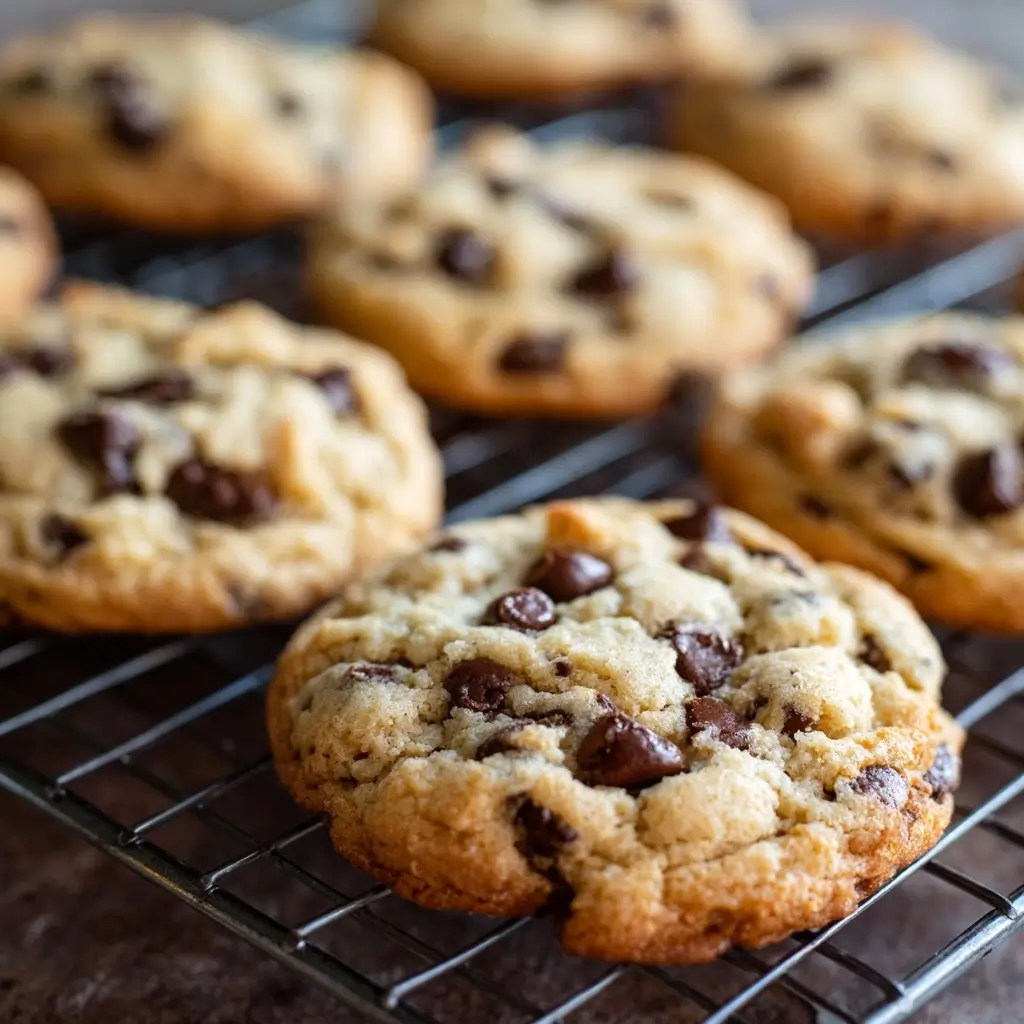
Chewy Chocolate Chip Cookies That Never Fail
The History
The story of the chocolate chip cookie is one of serendipity and American ingenuity. In the 1930s, Ruth Wakefield, a trained dietitian and owner of the Toll House Inn in Whitman, Massachusetts, was baking cookies for her guests using a recipe for butter drop cookies. When she discovered she was out of baker’s chocolate, she improvised by chopping up a semi-sweet chocolate bar, expecting it to melt evenly into the dough. To her surprise, the chocolate held its shape, creating pockets of rich, melty goodness throughout each cookie. The result was an instant hit. Wakefield named them “Toll House Chocolate Crunch Cookies” and included the recipe in her 1938 cookbook, Toll House Tried and True Recipes. The popularity soared when Nestlé struck a deal with her to print the recipe on their chocolate bars, leading to the birth of the iconic Nestlé Toll House chocolate chips. Since then, this beloved treat has evolved into countless variations, but the essence remains: a soft, chewy cookie studded with gooey chocolate chips that delight people of all ages across generations.
Ingredients Breakdown
Creating the perfect chewy chocolate chip cookie starts with understanding the role each ingredient plays in the final texture, flavor, and appearance:
- Butter (Unsalted): Provides richness and flavor. Using softened (not melted) butter ensures proper creaming with sugar, which incorporates air for a tender crumb. Unsalted butter gives you better control over the salt content.
- Granulated Sugar: Adds sweetness and helps create a slight crispness around the edges while contributing to spread during baking.
- Brown Sugar (Packed): The star for chewiness! Brown sugar contains molasses, which retains moisture and creates a soft, dense, and chewy texture. Light or dark brown sugar can be used—dark adds a deeper caramel note.
- Eggs (Large): Bind the ingredients together and add structure. The yolks contribute richness and tenderness, while the whites help with lift and spread.
- Vanilla Extract: Enhances overall flavor and adds warmth. Pure vanilla extract is preferred for superior taste over imitation.
- All-Purpose Flour: Forms the structure of the cookie. Measuring properly (spoon and level method) is crucial—too much flour leads to dry, cakey cookies.
- Baking Soda: A leavening agent that reacts with the acids in brown sugar and butter to help the cookies rise slightly and spread evenly.
- Salt: Balances sweetness and enhances all other flavors. Even if using salted butter, a pinch of extra salt improves complexity.
- Chocolate Chips or Chunks: The heart of the cookie. Semi-sweet is classic, but milk, dark, white, or even chopped artisan chocolate work beautifully. High-quality chocolate makes a noticeable difference in taste and melt.
- (Optional) Sea Salt Flakes: A sprinkle on top before baking elevates the flavor with a gourmet touch.
Step-by-Step Recipe
- Preheat Oven: Begin by preheating your oven to 375°F (190°C). Line two large baking sheets with parchment paper or silicone baking mats to prevent sticking and ensure even browning.
- Cream Butter and Sugars: In a large mixing bowl, beat ¾ cup (1.5 sticks) of softened unsalted butter with ¾ cup granulated sugar and ¾ cup packed light brown sugar until the mixture is light, fluffy, and pale in color—about 2–3 minutes with an electric mixer on medium speed. Proper creaming traps air, giving the cookies a soft interior.
- Add Eggs and Vanilla: Beat in 2 large eggs, one at a time, ensuring each is fully incorporated before adding the next. Mix in 2 teaspoons of pure vanilla extract until combined. Scrape down the sides of the bowl as needed.
- Combine Dry Ingredients: In a separate bowl, whisk together 2¼ cups of all-purpose flour, 1 teaspoon of baking soda, and ½ teaspoon of fine sea salt. Whisking ensures even distribution of leavening and salt.
- Mix Wet and Dry: Gradually add the dry ingredients to the wet mixture, mixing on low speed just until the flour disappears. Do not overmix—this prevents gluten development and keeps the cookies tender.
- Fold in Chocolate: Using a spatula, gently fold in 2 cups of chocolate chips or chunks until evenly distributed throughout the dough.
- Portion Dough: Use a cookie scoop or tablespoon to portion the dough into balls, each about 1.5 tablespoons in size. Roll them between your palms for a uniform shape. For extra-thick, bakery-style cookies, make them slightly larger (2 tablespoons).
- Arrange on Baking Sheets: Place dough balls at least 2 inches apart on prepared baking sheets to allow room for spreading. Gently press a few extra chocolate chips on top of each ball for visual appeal.
- Bake: Bake one sheet at a time in the center rack of the oven for 9–11 minutes, or until the edges are golden brown and the centers still look soft and slightly underdone. Rotate the pan halfway through for even baking.
- Cool: Remove from oven and let cookies cool on the baking sheet for 5 minutes. This allows them to set without falling apart. Then transfer to a wire rack to cool completely—or enjoy warm with a glass of milk!
Tips
- Use Room-Temperature Ingredients: Ensure butter and eggs are at room temperature (about 68–70°F) for optimal emulsification and even mixing.
- Don’t Overbake: Take cookies out when centers appear soft and puffy—they’ll continue cooking on the hot tray. Overbaking leads to crisp cookies instead of chewy ones.
- Chill the Dough (Optional): For thicker cookies with more concentrated flavor, chill the dough for 30 minutes to 2 hours before baking. This reduces spread and enhances caramelization.
- Weigh Your Flour: For precision, use a kitchen scale: 2¼ cups = 280 grams. Spooning and leveling works if you don’t have a scale—never scoop directly from the bag.
- Rotate the Pan: Halfway through baking, rotate the baking sheet front to back to ensure even browning, especially in ovens with hot spots.
- Use Parchment Paper: It prevents sticking, promotes even heat distribution, and makes cleanup effortless.
- Invest in Quality Chocolate: Choose high-cocoa-content chocolate chips or chop premium chocolate bars for better flavor and melty texture.
- Store Properly: Keep cooled cookies in an airtight container at room temperature for up to 5 days. Add a slice of bread to maintain softness.
Variations and Customizations
While the classic chocolate chip version is timeless, these cookies are a fantastic canvas for creativity:
- Oatmeal Chocolate Chip: Add 1 cup of old-fashioned rolled oats for a heartier texture and nutty flavor.
- Nutty Delight: Fold in ½–1 cup of toasted walnuts, pecans, or almonds for crunch and depth.
- Double Chocolate: Replace ¼ cup of flour with ¼ cup of unsweetened cocoa powder for a decadent chocolate twist.
- Sea Salt & Dark Chocolate: Use dark chocolate chunks and finish with a sprinkle of flaky sea salt before baking.
- White Chocolate Cranberry: Swap chocolate chips for white chocolate and dried cranberries—perfect for holidays.
- Peanut Butter Swirl: Drop a teaspoon of peanut butter into each dough ball and swirl gently before baking.
- Mint Chocolate: Add ½ teaspoon of peppermint extract along with dark chocolate chips for a refreshing twist.
- Gluten-Free Version: Substitute all-purpose flour with a 1:1 gluten-free baking blend. Check chocolate labels for cross-contamination if needed.
- Vegan Option: Replace butter with vegan butter, eggs with flax eggs (1 tbsp ground flax + 2.5 tbsp water per egg), and use dairy-free chocolate.
- Cookie Sandwiches: Pair two cookies with vanilla ice cream or marshmallow fluff for a nostalgic dessert.
Health Considerations and Nutritional Value
While chocolate chip cookies are undeniably indulgent, being mindful of ingredients and portion size allows for enjoyment within a balanced diet:
- Calories and Fat: One average-sized cookie contains approximately 150–180 calories, with 7–9g of fat (mostly from butter). Opt for reduced-fat butter sparingly, as it can affect texture and flavor negatively.
- Sugar Content: With around 10–14g of sugar per cookie, consider reducing sugar slightly (down to ½ cup each of granulated and brown sugar) without sacrificing too much chewiness.
- Whole Grain Option: Replace half the all-purpose flour with whole wheat flour for added fiber and nutrients. Note: the texture will be denser.
- Lower-Sugar Alternatives: Experiment with coconut sugar or monk fruit blends, though results may vary in browning and moisture retention.
- Portion Control: Baking smaller cookies (1 tablespoon dough) yields more pieces but fewer calories per serving—great for satisfying cravings without overindulging.
- Occasional Treat: These cookies are best enjoyed in moderation as part of a varied diet. Their emotional comfort and social joy are also valuable aspects of well-being!
Ingredients
- ¾ cup (1.5 sticks / 170g) unsalted butter, softened
- ¾ cup (150g) granulated sugar
- ¾ cup (160g) packed light brown sugar
- 2 large eggs, room temperature
- 2 teaspoons pure vanilla extract
- 2¼ cups (280g) all-purpose flour (spooned and leveled)
- 1 teaspoon baking soda
- ½ teaspoon fine sea salt
- 2 cups (340g) semi-sweet chocolate chips or chunks
- (Optional) Flaky sea salt for topping
Directions
- Preheat oven to 375°F (190°C). Line baking sheets with parchment paper.
- In a large bowl, cream together softened butter, granulated sugar, and brown sugar until light and fluffy (2–3 minutes).
- Beat in eggs one at a time, then mix in vanilla extract.
- In a separate bowl, whisk flour, baking soda, and salt.
- Gradually mix dry ingredients into wet until just combined.
- Fold in chocolate chips with a spatula.
- Roll dough into 1.5-tablespoon balls and place 2 inches apart on baking sheets.
- Bake for 9–11 minutes until edges are golden and centers are soft.
- Cool on baking sheet for 5 minutes, then transfer to wire rack.
- Optional: Sprinkle with flaky sea salt immediately after removing from oven.
- Enjoy warm or store in an airtight container.
FAQ
- Why are my cookies flat?
- This could be due to melted butter, expired baking soda, too much sugar, or hot baking sheets. Always use softened (not melted) butter and let pans cool between batches.
- How do I make cookies chewier?
- Use more brown sugar than white, don’t overbake, and slightly under-measure flour. Chilling the dough also helps retain thickness.
- Can I freeze the dough?
- Absolutely! Portion dough into balls, freeze on a tray, then transfer to a freezer bag. Bake straight from frozen—add 1–2 minutes to bake time.
- Can I double the recipe?
- Yes, but avoid overloading your mixer. Mix in batches if necessary, and ensure even distribution of ingredients.
- Why did my cookies turn out cakey?
- Too much flour or too many eggs can cause cakey texture. Measure flour correctly and stick to the recommended number of eggs.
- How long do they last?
- Stored in an airtight container at room temperature: up to 5 days. Freeze baked cookies for up to 3 months.
- Can I use margarine instead of butter?
- Not recommended—margarine has higher water content, which affects texture and spread. Stick to real butter for best results.
- What’s the best chocolate to use?
- High-quality semi-sweet chocolate with at least 55% cocoa content. Ghirardelli, Guittard, or Callebaut are excellent choices.
Summary
These Chewy Chocolate Chip Cookies That Never Fail deliver perfectly soft, golden-edged, center-melting cookies every single time—rich with vanilla, brown sugar depth, and gooey chocolate in every bite.
A foolproof recipe rooted in classic techniques, customizable for any preference, and guaranteed to become your go-to for family treats, gifts, or late-night cravings.