
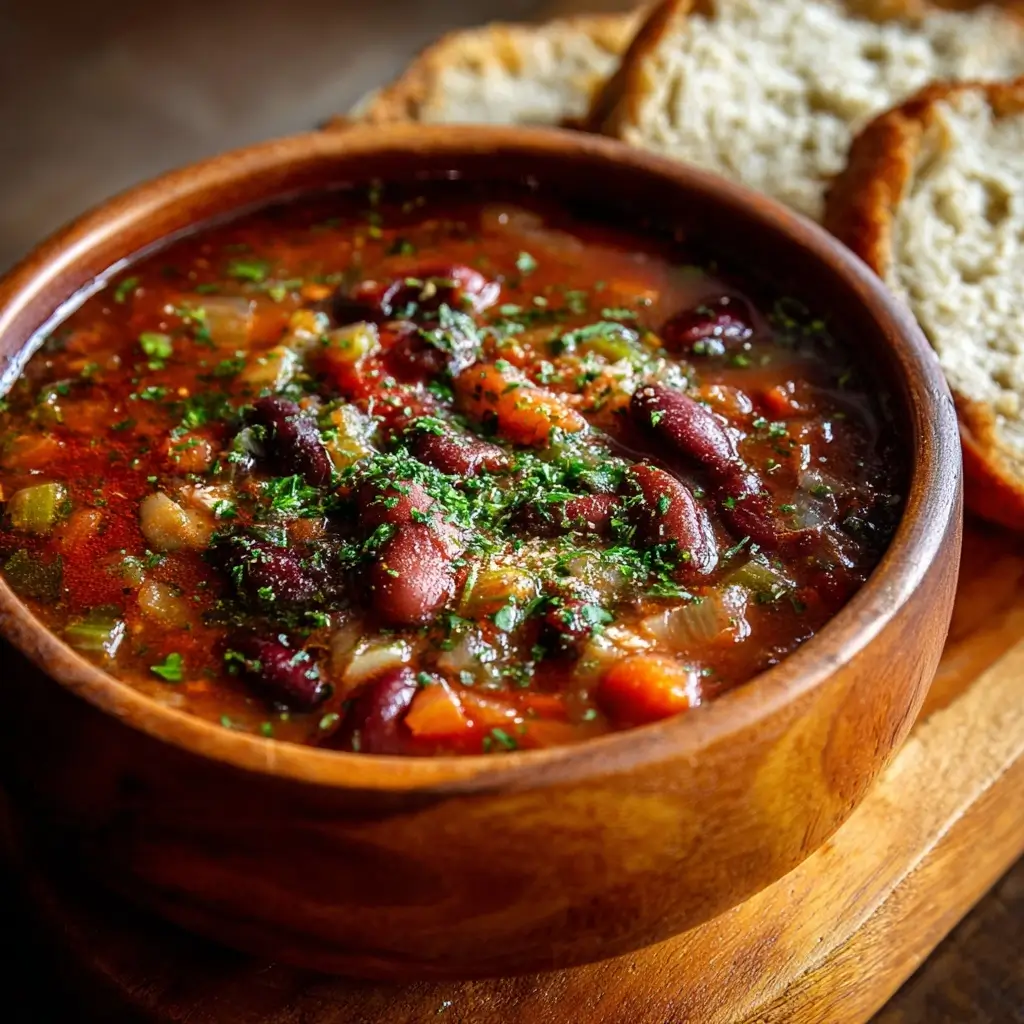
Budget-Friendly Bean Soup: A Hearty, Healthy, and Economical Meal
Looking for a delicious, nutritious, and wallet-friendly meal that warms the soul and fills the belly? Look no further than this Budget-Friendly Bean Soup. Packed with plant-based protein, fiber-rich legumes, and humble pantry staples, this soup is not only incredibly affordable but also endlessly satisfying. Whether you’re cooking for one or feeding a family, this recipe delivers big on flavor without breaking the bank. Let’s dive into everything you need to know about making the perfect pot of bean soup—its history, ingredients, variations, health benefits, and more.
The History of Bean Soup
Bean soup has deep roots in culinary traditions across cultures and continents. From ancient civilizations to modern-day kitchens, beans have long been a cornerstone of economical and nourishing meals. In Ancient Rome, soldiers were fed a simple lentil and barley stew known as puls, while in medieval Europe, peasants relied on dried beans and vegetables to create hearty pottages that sustained them through harsh winters. Across Latin America, Africa, and Asia, variations of bean soups have been passed down for generations, often flavored with local herbs, spices, and smoked meats.
In the United States, bean soup gained national fame when President Herbert Hoover, known for his frugality during the Great Depression, reportedly declared it his favorite dish. The U.S. Senate cafeteria still serves “Senate Bean Soup” daily—a tradition dating back to the early 20th century. This legacy underscores how bean soup has remained a symbol of thrift, resilience, and comfort food at its finest.
Ingredients Breakdown: Why Each Item Matters
This budget-friendly bean soup relies on inexpensive, shelf-stable, and widely available ingredients. Here’s what goes into the pot and why each component plays a vital role:
- Dried Beans (e.g., navy, pinto, black, or kidney): The star of the show. Dried beans are significantly cheaper than canned and offer superior texture and flavor control. They’re rich in protein, fiber, iron, and complex carbohydrates, making them a nutritional powerhouse.
- Onion, Garlic, Carrots, and Celery (the “mirepoix”): These aromatic vegetables form the flavor base of countless soups and stews. They add depth, sweetness, and savory notes without costing much.
- Olive Oil or Vegetable Oil: Used to sauté the aromatics, helping release their essential oils and build a rich foundation for the soup.
- Vegetable or Chicken Broth (or water with bouillon): Adds savory depth. Using low-cost broth cubes or powder keeps costs minimal while boosting flavor.
- Bay Leaves and Dried Herbs (like thyme or oregano): Provide earthy, herbal complexity. Dried herbs are inexpensive and store well for months.
- Salt and Black Pepper: Essential seasonings that enhance all other flavors.
- Tomato Paste or Diced Tomatoes (optional): Adds acidity and umami. A small can or tablespoon of paste stretches far and improves richness.
- Smoked Paprika or Ham Hock (optional): For a smoky flavor without expensive meats. A ham hock can be reused or substituted with a pinch of smoked paprika for a vegetarian version.
Step-by-Step Recipe: How to Make Budget-Friendly Bean Soup
Follow these detailed instructions to make a large, flavorful batch of bean soup that feeds 6–8 people for under $10.
- Sort and Rinse the Beans: Place 1 pound (about 2 cups) of dried beans in a colander. Pick out any stones or debris, then rinse thoroughly under cold water.
- Soak the Beans (Optional but Recommended): For faster cooking and improved digestibility, soak the beans overnight in plenty of cold water. Alternatively, use the quick-soak method: boil beans for 2 minutes, remove from heat, cover, and let sit for 1 hour. Drain and rinse.
- Sauté the Aromatics: In a large pot or Dutch oven, heat 2 tablespoons of oil over medium heat. Add 1 chopped onion, 2–3 minced garlic cloves, 2 diced carrots, and 2 diced celery stalks. Cook for 5–7 minutes until softened and fragrant.
- Add Tomato Paste (if using): Stir in 1–2 tablespoons of tomato paste and cook for 1–2 minutes to deepen the flavor.
- Add Beans and Liquid: Pour in the soaked and drained beans. Add 8 cups of water or broth. For extra flavor, include a ham hock, smoked turkey wing, or ½ teaspoon of smoked paprika.
- Season the Soup: Add 2 bay leaves, 1 teaspoon dried thyme, 1 teaspoon salt, and ½ teaspoon black pepper. Stir well.
- Simmer Until Tender: Bring to a boil, then reduce heat to low. Cover and simmer for 1.5 to 2.5 hours, stirring occasionally, until beans are tender. If using canned beans, reduce time to 30–40 minutes.
- Adjust Seasoning and Thicken (Optional): Remove bay leaves. Taste and adjust salt and pepper. For a creamier texture, blend 1–2 cups of soup and stir back in, or mash some beans against the pot with a spoon.
- Serve Hot: Ladle into bowls and garnish with fresh parsley, grated cheese, or a drizzle of olive oil if desired.
Tips for the Best Budget-Friendly Bean Soup
- Buy Dried Beans in Bulk: Purchasing from bulk bins or large bags reduces cost per serving dramatically. Store in airtight containers for up to a year.
- Use Water + Bouillon Instead of Pre-Made Broth: A cube or teaspoon of powdered broth adds flavor at a fraction of the cost.
- Cook Once, Eat Multiple Times: This soup tastes even better the next day and freezes well for up to 3 months. Make a big batch to save time and money.
- Add Greens for Nutrition: Stir in chopped kale, spinach, or collards during the last 10 minutes of cooking for added vitamins and color.
- Acid Brightens Flavor: A splash of vinegar (apple cider or white wine) or lemon juice just before serving enhances the overall taste.
- Don’t Over-Salt Early: Beans absorb salt, so it’s best to season toward the end of cooking to avoid oversalting.
Variations and Customizations
This bean soup is incredibly versatile. Try these creative twists to keep things exciting:
- Minestrone-Style: Add diced zucchini, green beans, small pasta (like ditalini), and a Parmesan rind while simmering.
- Tex-Mex Bean Soup: Use black or pinto beans, add cumin, chili powder, and diced tomatoes with green chilies. Top with avocado, cilantro, and lime.
- Mediterranean Version: Stir in chopped tomatoes, olives, oregano, and a dash of red wine vinegar. Serve with feta cheese.
- White Bean & Rosemary: Use cannellini beans, fresh rosemary, garlic, and finish with a swirl of pesto.
- Vegan Smoky Bean Soup: Skip meat products and use smoked paprika, liquid smoke, or chipotle peppers in adobo for a bold, smoky kick.
- Spicy Bean Soup: Add crushed red pepper flakes, jalapeños, or hot sauce to suit your taste.
- Creamy Instant Pot Version: Use an electric pressure cooker to cut cooking time to 30–40 minutes (plus natural release).
Health Considerations and Nutritional Value
Budget-Friendly Bean Soup isn’t just cheap—it’s a nutritional superstar. Here’s why:
- High in Fiber: Promotes digestive health, helps regulate blood sugar, and keeps you full longer.
- Rich in Plant-Based Protein: Ideal for vegetarians, vegans, or anyone looking to reduce meat consumption.
- Low in Fat and Cholesterol-Free: Naturally heart-healthy, especially when prepared without added meats or excessive oils.
- Packed with Vitamins and Minerals: Beans provide iron, magnesium, potassium, folate, and B vitamins.
- Supports Weight Management: High volume, low calorie density makes this soup excellent for satiety.
- Diabetes-Friendly: The complex carbs and fiber help prevent blood sugar spikes.
Nutritional Estimate (per 1.5-cup serving):
| Nutrient | Amount |
|---|---|
| Calories | ~220 |
| Protein | 12g |
| Fiber | 10g |
| Carbohydrates | 38g |
| Fat | 4g |
| Sodium | Varies (control by adjusting salt) |
Note: Values vary based on beans used and added ingredients. Using low-sodium broth and limiting added salt makes this soup ideal for those managing hypertension.
Full Ingredient List
- 1 pound (2 cups) dried beans (navy, pinto, black, kidney, or mixed)
- 2 tablespoons olive oil or vegetable oil
- 1 large onion, chopped
- 3 garlic cloves, minced
- 2 medium carrots, diced
- 2 celery stalks, diced
- 8 cups water or low-sodium broth
- 2 bay leaves
- 1 teaspoon dried thyme (or 1 sprig fresh)
- 1 teaspoon salt (adjust to taste)
- ½ teaspoon black pepper
- 1–2 tablespoons tomato paste (optional)
- ½ teaspoon smoked paprika (optional, for smokiness)
- 1 ham hock or smoked turkey piece (optional, for non-vegetarian version)
- 1 cup chopped greens (kale, spinach, or chard – optional)
Detailed Directions
- In a large bowl, sort and rinse 1 pound of dried beans. Soak overnight in 6 cups of water, or use the quick-soak method: boil for 2 minutes, cover, and let sit for 1 hour. Drain and rinse.
- Heat oil in a 6-quart or larger pot over medium heat. Add onion, garlic, carrots, and celery. Sauté for 6–8 minutes until soft and golden.
- If using, stir in tomato paste and cook for 1–2 minutes to caramelize slightly.
- Add soaked beans, 8 cups of water or broth, bay leaves, thyme, salt, pepper, and any optional ingredients (ham hock, smoked paprika, etc.). Stir well.
- Bring to a rolling boil, then reduce heat to low. Partially cover and simmer gently for 1.5 to 2.5 hours, stirring occasionally, until beans are tender. Skim off any foam that forms on top.
- About 15 minutes before finishing, stir in chopped greens if using.
- Taste and adjust seasoning. Remove bay leaves and ham hock (if used). Shred any meat from the bone and return to the pot.
- For a thicker soup, use a potato masher or immersion blender to partially puree some of the beans.
- Serve hot with crusty bread, crackers, or cornbread. Store leftovers in the fridge for up to 5 days or freeze for up to 3 months.
Frequently Asked Questions (FAQ)
Q: Can I use canned beans instead of dried?
A: Yes! Use 4 cans (15 oz each) of beans, drained and rinsed. Skip soaking and reduce cooking time to 30–40 minutes. This increases cost slightly but saves time.
Q: How do I reduce gas from beans?
A: Soaking and discarding the soaking water helps. Rinsing well and cooking thoroughly also reduces oligosaccharides that cause bloating. Adding a piece of kombu seaweed during cooking may also aid digestion.
Q: Can I make this soup in a slow cooker?
A: Absolutely. After sautéing the vegetables, transfer everything to a slow cooker and cook on low for 6–8 hours or high for 3–4 hours.
Q: Is this soup gluten-free?
A: Yes, as long as you use gluten-free broth and avoid adding pasta or flour-based thickeners.
Q: How can I stretch this soup to feed more people?
A: Add extra water or broth and bulk it up with more diced vegetables like potatoes, squash, or cabbage.
Q: Can I freeze bean soup?
A: Yes! Cool completely, then freeze in airtight containers for up to 3 months. Thaw overnight in the fridge and reheat on the stove.
Summary
Budget-Friendly Bean Soup is a nutritious, delicious, and economical meal that transforms simple pantry staples into a comforting feast. Easy to customize and packed with protein and fiber, it’s the ultimate solution for healthy eating on a tight budget.