
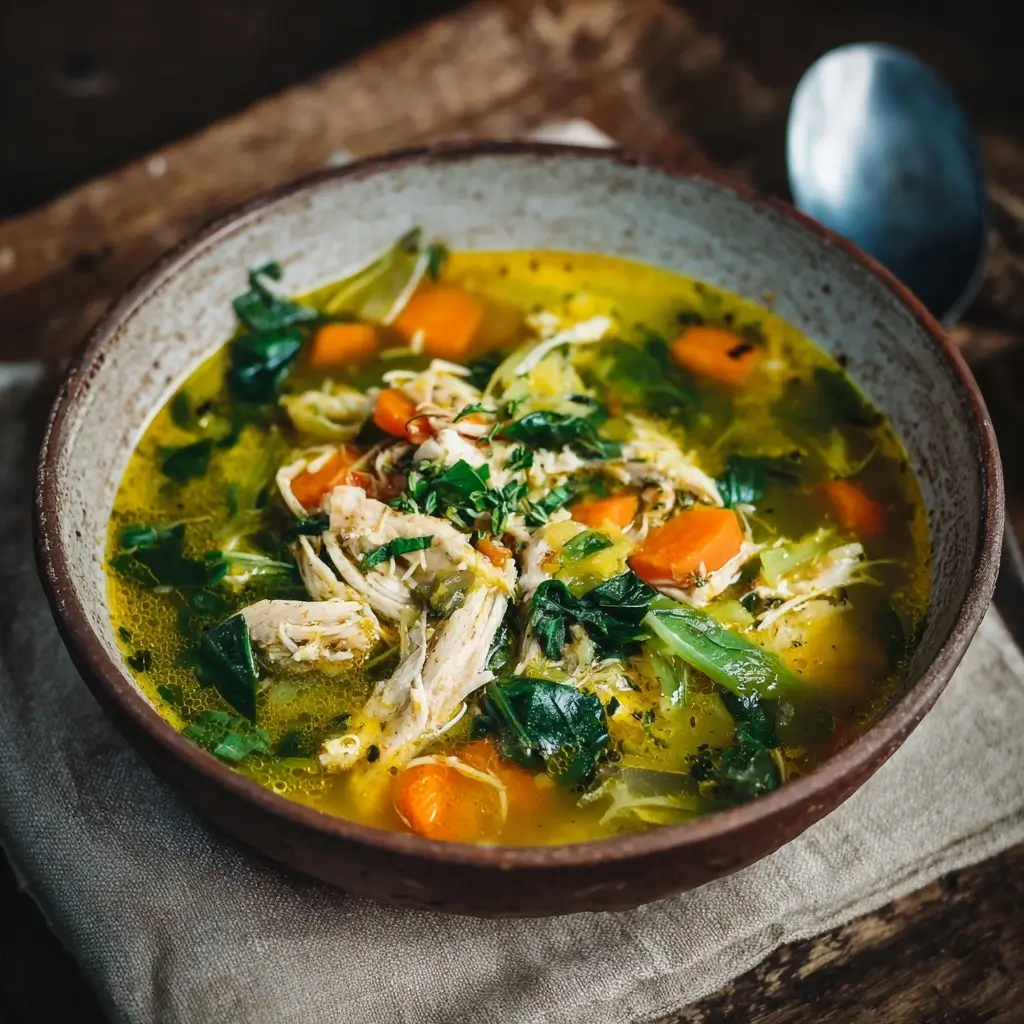
Low-Carb Keto Chicken Soup: A Comforting, Nutrient-Rich Delight for Ketogenic Dieters
If you’re following a ketogenic lifestyle, finding satisfying meals that align with your low-carb, high-fat goals can sometimes be a challenge—especially when comfort food cravings strike. Enter Low-Carb Keto Chicken Soup: a rich, flavorful, and nourishing dish that’s not only easy to prepare but also perfectly tailored to your keto macros. Whether you’re battling the sniffles, seeking a cozy weeknight dinner, or simply want a nutrient-dense broth to support ketosis, this soup is your go-to solution.
The History of Chicken Soup in Low-Carb and Ketogenic Diets
Chicken soup has long been revered as a healing remedy across cultures, often dubbed “Jewish penicillin” for its restorative properties. Traditionally made with chicken, vegetables, and broth, classic chicken soup includes starchy ingredients like potatoes, carrots, and noodles—ingredients that are incompatible with strict low-carb or ketogenic diets.
As the popularity of low-carb eating surged in the 20th century—particularly through the Atkins diet—and later with the resurgence of the ketogenic diet for weight loss, epilepsy management, and metabolic health—cooks and nutritionists began reimagining traditional recipes. The goal? To preserve the soul-soothing essence of chicken soup while eliminating high-carb components. This led to the modern evolution of low-carb keto chicken soup, which swaps out sugars and starches for non-starchy vegetables, healthy fats, and protein-rich chicken, making it a staple in keto kitchens worldwide.
Ingredients Breakdown: What Makes This Soup Keto-Friendly?
The magic of a successful keto chicken soup lies in ingredient selection. Every component is chosen not just for flavor, but for its compatibility with ketosis. Here’s a detailed look at what goes into this delicious bowl of wellness:
- Boneless, Skin-on Chicken Thighs or Breasts: High in protein and healthy fats (especially with skin), chicken provides satiety without spiking insulin. Thighs are preferred for their richness and tenderness after slow simmering.
- Homemade or Quality Store-Bought Bone Broth: Rich in collagen, amino acids (like glycine and proline), and minerals, bone broth supports gut health and joint function—critical for long-term keto success.
- Butter or Ghee: Adds creamy texture and healthy saturated fats essential for maintaining ketosis. Ghee also contributes a nutty depth of flavor.
- Olive Oil or MCT Oil: Optional fat boosters. MCT oil is rapidly converted into ketones, providing quick energy for the brain and body.
- Garlic and Onion (in moderation): While onions contain natural sugars, using them sparingly (½ small onion) keeps carb counts low while enhancing umami flavor.
- Celery and Zucchini: Low-glycemic vegetables that add crunch, fiber, and essential micronutrients without disrupting ketosis.
- Spinach or Kale: Leafy greens packed with vitamins A, C, K, magnesium, and antioxidants. They wilt beautifully into the soup and contribute minimal carbs.
- Mushrooms (Cremini or White Button): Add earthiness and extra B-vitamins. Mushrooms are very low in net carbs and enhance satiety.
- Fresh Herbs (Thyme, Rosemary, Parsley): Not only do they elevate the aroma and taste, but many herbs have anti-inflammatory and digestive benefits.
- Lemon Juice or Apple Cider Vinegar (optional): A splash brightens the flavor profile and may support digestion and electrolyte balance—important during keto adaptation.
This thoughtful combination ensures each serving remains under 6 grams of net carbs, well within typical keto guidelines (20–50g net carbs per day).
Step-by-Step Recipe: How to Make Low-Carb Keto Chicken Soup from Scratch
Follow this detailed guide to create a steaming, aromatic pot of low-carb keto chicken soup that satisfies both body and soul.
Ingredients
- 1.5 lbs (680g) boneless, skin-on chicken thighs (or breasts)
- 8 cups (2 quarts / 1.9L) organic chicken bone broth (low-sodium preferred)
- 3 tbsp unsalted butter or ghee
- 1 medium yellow onion, finely diced (about ½ cup — use less for stricter keto)
- 3 celery stalks, sliced thin
- 2 medium zucchinis, halved and sliced into half-moons
- 1 cup sliced cremini mushrooms
- 4 cloves garlic, minced
- 2 cups fresh spinach or chopped kale
- 1 tsp dried thyme (or 1 tbsp fresh)
- 1 sprig fresh rosemary (optional)
- Salt and freshly ground black pepper, to taste
- 1 tbsp apple cider vinegar or juice of ½ lemon
- 2 tbsp chopped fresh parsley (for garnish)
- Optional: 1–2 tbsp olive oil or MCT oil for added fat
Directions
- Prepare the Base: In a large heavy-bottomed pot or Dutch oven over medium heat, melt 2 tablespoons of butter or ghee. Add the diced onion and sauté for 4–5 minutes until translucent but not browned (to minimize sugar release). Stir in the celery and cook another 3–4 minutes.
- Add Aromatics: Stir in the garlic and cook for 30 seconds until fragrant—do not let it burn. Add the thyme, rosemary sprig, and a pinch of salt and pepper.
- Incorporate Vegetables: Add zucchini and mushrooms. Cook for 5–6 minutes, stirring occasionally, allowing the vegetables to soften slightly.
- Pour in Broth: Slowly pour in the chicken bone broth. Bring the mixture to a gentle boil.
- Add Chicken: Place the chicken thighs (with skin on) into the pot. Reduce heat to low, cover, and simmer gently for 25–30 minutes, or until the chicken reaches an internal temperature of 165°F (74°C) and is tender enough to shred.
- Shred the Chicken: Remove the chicken pieces from the pot and place them on a cutting board. Discard the skin if desired (though leaving some adds flavor and fat). Use two forks to shred the meat into bite-sized pieces.
- Finish the Soup: Return the shredded chicken to the pot. Stir in the fresh spinach or kale and cook for 2–3 minutes until wilted.
- Final Touches: Remove the rosemary sprig. Stir in the remaining 1 tablespoon of butter, lemon juice or apple cider vinegar, and optional olive or MCT oil. Adjust seasoning with salt and pepper to taste.
- Serve Hot: Ladle into warm bowls, garnish with fresh parsley, and enjoy immediately.
Tips for Perfect Low-Carb Keto Chicken Soup Every Time
- Use Homemade Bone Broth When Possible: It’s richer in gelatin and free from preservatives. Simmer chicken bones, onion, carrot (used then discarded for flavor), garlic, and herbs for 12–24 hours for maximum nutrition.
- Don’t Overcook the Greens: Add spinach or kale at the very end to preserve color, texture, and nutrient content.
- Skim Fat if Needed: While fat is encouraged on keto, skimming excess fat from the surface allows you to control portions and redistribute based on individual needs.
- Boost Flavor Without Carbs: Add a Parmesan rind while simmering for umami depth, or stir in a teaspoon of miso paste (check label for hidden sugars).
- Thicken Naturally: For a creamier texture without dairy, blend 1 cup of the cooked soup (without chicken) and stir it back in.
- Batch Cook and Freeze: This soup freezes exceptionally well. Store in airtight containers for up to 3 months. Thaw overnight in the fridge before reheating.
- Reheat Gently: Avoid boiling when reheating to preserve texture and nutrients. Warm over low heat, adding a splash of broth if needed.
Variations and Customizations
One of the greatest strengths of this recipe is its versatility. Adapt it to your taste, dietary preferences, or what’s in your pantry:
- Keto Chicken Noodle Soup: Replace traditional noodles with spiralized zucchini (zoodles), shirataki noodles, or kelp noodles. Add them in the last 3–5 minutes of cooking.
- Creamy Keto Chicken Soup: Stir in ¼–½ cup heavy cream or full-fat coconut milk at the end for a luxurious, velvety texture.
- Spicy Southwest Version: Add cumin, smoked paprika, diced green chilies, and top with avocado and cilantro. Use chicken breast for leaner protein.
- Italian-Inspired: Add chopped tomatoes (in moderation), basil, oregano, and stir in mozzarella or Parmesan at the end.
- Dairy-Free Option: Skip butter and cream. Use avocado oil or coconut oil instead, and rely on MCT or olive oil for added fats.
- Extra Protein Boost: Add hard-boiled eggs, crumbled bacon, or diced ham for additional protein and flavor.
- Autoimmune Protocol (AIP) Friendly: Omit nightshades (like mushrooms), use AIP-compliant broth, and replace black pepper with allspice or ginger.
Health Considerations and Nutritional Value
Low-carb keto chicken soup isn’t just delicious—it’s a powerhouse of health benefits, especially when made with nutrient-dense ingredients.
Nutritional Profile (Per Serving, approx. 1.5 cups / 350ml, serves 6):
- Calories: ~280 kcal
- Total Fat: 18g (Saturated Fat: 7g)
- Protein: 24g
- Total Carbohydrates: 8g
- Dietary Fiber: 2g
- Net Carbs: 6g
- Sodium: ~600mg (varies by broth)
- Potassium: ~500mg
- Magnesium: ~40mg
Key Health Benefits:
- Supports Ketosis: High fat and moderate protein with very low net carbs help maintain stable blood sugar and ketone production.
- Promotes Gut Health: Gelatin from bone broth soothes the intestinal lining and may improve digestion and leaky gut symptoms.
- Reduces Inflammation: Garlic, turmeric (if added), omega-3s from chicken (especially pasture-raised), and antioxidants from greens combat chronic inflammation.
- Hydration and Electrolytes: Broth-based soups help replenish sodium, potassium, and magnesium—critical electrolytes often depleted during ketosis.
- Immune Support: Chicken soup has been shown in studies to reduce inflammation and ease upper respiratory symptoms. Zinc, selenium, and vitamin C from ingredients further bolster immunity.
- Satiety and Weight Management: High protein and fat content increase fullness, reducing snacking and supporting fat loss.
Note: If you’re on medication (especially for diabetes or blood pressure), consult your healthcare provider before making significant dietary changes. Rapid shifts in insulin levels can affect dosing requirements.
Frequently Asked Questions (FAQ)
Can I use frozen chicken?
Yes, but adjust cooking time accordingly. Add frozen chicken directly to the broth and extend simmering time by 10–15 minutes to ensure thorough cooking.
Is store-bought broth okay?
Absolutely—but read labels carefully. Choose brands with no added sugars, MSG, or vegetable oils. Look for “bone broth” with collagen listed as an ingredient.
How do I keep this soup dairy-free?
Simply omit butter and use olive oil, avocado oil, or coconut oil instead. You can still achieve richness with MCT oil or coconut milk.
Can I make this in a slow cooker or Instant Pot?
Yes! For a slow cooker: Combine all ingredients except spinach and lemon juice. Cook on low for 6–8 hours. Shred chicken, add greens, and finish with acid and herbs. For the Instant Pot: Use Saute mode for veggies, then add broth and chicken. Pressure cook on High for 12 minutes, natural release for 10 minutes. Finish as above.
Why is my soup bland?
Keto soups need bold seasoning. Taste and adjust at the end. Add more salt, a splash of vinegar, lemon juice, or even a dash of fish sauce or tamari (gluten-free soy alternative) for depth.
Can I add cauliflower?
Yes! Riced cauliflower is a fantastic low-carb addition. Add it in the last 5–7 minutes of cooking so it doesn’t become mushy.
Is this soup suitable for intermittent fasting?
While it contains calories, this soup is often used during eating windows in time-restricted feeding. For true fasting, consume only water, tea, or black coffee.
Summary
Low-Carb Keto Chicken Soup is a nourishing, flavorful, and easy-to-make dish that fits seamlessly into a ketogenic lifestyle. Packed with protein, healthy fats, and fibrous vegetables, it supports ketosis, boosts immunity, and satisfies hunger without spiking blood sugar.