
Introduction
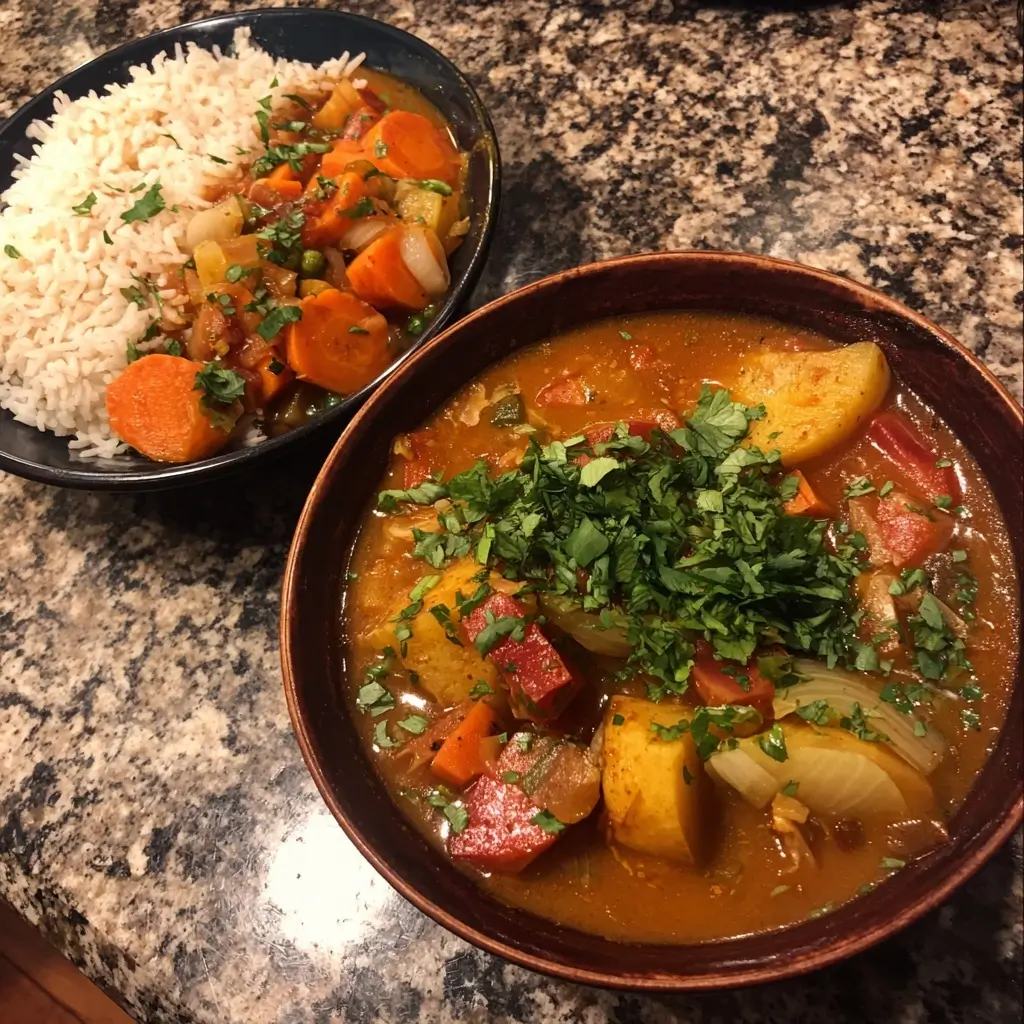
Peanut Butter African Stew Soup is a rich, hearty, and deeply flavorful dish that brings together the culinary traditions of West Africa with modern comfort food sensibilities. Known for its creamy texture, nutty depth, and aromatic spices, this soup is more than just a meal—it’s a celebration of culture, nourishment, and community. Whether served during family gatherings, cold winter nights, or as a way to explore global cuisines, this stew stands out with its unique blend of earthy peanuts, tender vegetables, and slow-simmered proteins. It’s a dish that warms the soul and satisfies the palate, offering both familiarity and adventure in every spoonful.
The History
The roots of Peanut Butter African Stew Soup trace back to the diverse culinary traditions of West African countries such as Nigeria, Ghana, Senegal, and Mali. In these regions, groundnuts (peanuts) have been cultivated for centuries and are a staple ingredient in many traditional dishes. The use of peanut paste or butter in soups and stews dates back to pre-colonial times when indigenous communities developed recipes using locally available ingredients. One of the most famous ancestors of this stew is moin moin soup from Nigeria or maafe (also spelled “mabé” or “tigadèguèna”) from Mali and Senegal—a savory peanut-based stew typically made with meat, vegetables, and spices.
Over time, maafe traveled across the continent and eventually into the African diaspora through trade, migration, and unfortunately, the transatlantic slave trade. Enslaved Africans brought their knowledge of peanut-based cooking to the Americas, where it influenced Creole, Cajun, and Southern U.S. cuisines. Today’s version of Peanut Butter African Stew Soup is a fusion of traditional techniques and modern adaptations, often incorporating accessible ingredients like store-bought peanut butter while honoring the original spirit of the dish. It remains a symbol of resilience, cultural continuity, and the power of food to connect generations.
Ingredients Breakdown
The magic of Peanut Butter African Stew Soup lies in its balance of simple yet powerful ingredients, each contributing to the overall harmony of flavor, texture, and nutrition. Here’s a detailed breakdown:
- Peanut Butter (Unsweetened, Natural): The star ingredient, providing creaminess, richness, and a deep nutty flavor. Opt for natural peanut butter without added sugar or hydrogenated oils to maintain authenticity and avoid bitterness.
- Protein (Chicken, Beef, Lamb, or Tofu): Traditionally, goat or beef is used, but chicken is common in modern versions. For plant-based diets, firm tofu or tempeh works beautifully, absorbing the stew’s bold flavors.
- Onions, Garlic, and Ginger: These aromatics form the flavor base, offering sweetness, pungency, and warmth. Freshly minced ensures maximum taste impact.
- Tomatoes (Fresh or Canned): Provide acidity and body. Diced tomatoes with juice or crushed tomatoes work best, adding a tangy counterpoint to the creamy peanut sauce.
- Vegetables (Sweet Potatoes, Carrots, Bell Peppers, Spinach, Okra): Add color, texture, and nutrients. Sweet potatoes contribute natural sweetness, while leafy greens like spinach boost iron and fiber.
- Broth (Chicken or Vegetable): Forms the liquid base. Homemade broth enhances depth, but high-quality store-bought versions are acceptable.
- Spices (Paprika, Ground Cumin, Cayenne Pepper, Thyme, Bay Leaves): Create the stew’s signature warmth and complexity. Smoked paprika adds a subtle smokiness, while cayenne brings gentle heat.
- Fish Sauce or Soy Sauce (Optional): Used in small amounts to enhance umami, especially in vegetarian versions.
- Lime Juice or Vinegar: A splash at the end brightens the stew and balances the richness of the peanut butter.
- Cilantro or Parsley (for garnish): Adds freshness and visual appeal when served.
Step-by-Step Recipe
- Prepare Ingredients: Chop onions, garlic, ginger, tomatoes, sweet potatoes, carrots, bell peppers, and any other vegetables. Cut your protein into bite-sized pieces if using meat or tofu.
- Sauté Aromatics: In a large heavy-bottomed pot or Dutch oven, heat 2–3 tablespoons of oil (such as olive, coconut, or vegetable oil) over medium heat. Add chopped onions and sauté until translucent (about 5 minutes). Stir in minced garlic and grated ginger, cooking for another 1–2 minutes until fragrant.
- Brown the Protein: Add your choice of meat or tofu to the pot. Cook until browned on all sides—about 6–8 minutes for chicken, longer for beef or lamb. Remove and set aside temporarily if needed.
- Add Spices: Return meat to the pot (if removed), then stir in 1 tablespoon paprika, 1 teaspoon ground cumin, ½ teaspoon cayenne pepper (adjust to taste), 1 teaspoon dried thyme, and 1–2 bay leaves. Toast the spices for 1 minute to release their essential oils.
- Incorporate Tomatoes: Add 1 can (14 oz) diced tomatoes with their juice or 2 cups fresh chopped tomatoes. Simmer for 5–7 minutes, allowing the mixture to thicken slightly and develop flavor.
- Add Vegetables and Broth: Stir in cubed sweet potatoes, carrots, and bell peppers. Pour in 4–5 cups of broth (chicken or vegetable), ensuring ingredients are mostly covered. Bring to a boil, then reduce to a simmer.
- Simmer Until Tender: Cover and cook for 25–30 minutes, or until vegetables are tender and meat is cooked through. Skim off any foam or excess fat if desired.
- Whisk in Peanut Butter: In a separate bowl, mix ½ cup natural peanut butter with 1 cup of hot broth from the stew to create a smooth slurry. Gradually stir this into the pot to prevent clumping.
- Final Touches: Add chopped spinach or kale and cook for an additional 5 minutes until wilted. Taste and adjust seasoning—add salt, pepper, lime juice, or more cayenne as needed.
- Garnish and Serve: Remove bay leaves. Ladle into bowls and top with fresh cilantro, a squeeze of lime, and optional red pepper flakes or crushed peanuts for crunch.
Tips
- Use Natural Peanut Butter: Avoid brands with added sugars or palm oil, which can alter the flavor and texture. Stir well before measuring, as natural separation occurs.
- Prevent Curdling: Always temper the peanut butter by mixing it with warm broth before adding it to the stew. Adding it directly can cause clumping or curdling.
- Balancing Flavors: If the stew tastes too rich or heavy, add a splash of apple cider vinegar or lemon juice to brighten it. If too spicy, swirl in a bit more peanut butter or coconut milk.
- Low and Slow: Allow the stew to simmer gently after adding peanut butter. Boiling vigorously may cause separation.
- Thicken or Thin: For a thicker stew, let it simmer uncovered longer. To thin, add more broth or water gradually.
- Make Ahead Friendly: This stew tastes even better the next day as flavors meld. Reheat gently on the stove, stirring frequently.
- Freezing: Cool completely and freeze in airtight containers for up to 3 months. Thaw overnight in the fridge and reheat slowly, adding a little liquid if needed.
Variations and Customizations
Peanut Butter African Stew Soup is incredibly versatile, making it ideal for dietary preferences and regional twists:
- Vegan Version: Use tofu, lentils, or chickpeas as protein and vegetable broth. Ensure peanut butter is vegan-friendly (no honey).
- Gluten-Free: Naturally gluten-free, but always check labels on broth and soy sauce/fish sauce substitutes.
- Coconut Milk Twist: Replace 1–2 cups of broth with full-fat coconut milk for a richer, creamier texture and tropical undertone.
- Spicy Kick: Add fresh chopped habanero, scotch bonnet, or a dash of hot sauce like Sriracha or Peri-Peri for extra heat.
- Grain-Inclusive: Serve over steamed rice, millet, quinoa, or fonio for a complete meal. Some versions incorporate cooked barley or farro directly into the stew.
- Smoky Flavor: Add a pinch of smoked paprika or a small piece of grilled eggplant for depth.
- Seafood Option: Substitute shrimp or fish fillets for meat, adding them in the last 10 minutes of cooking to prevent overcooking.
- Nut-Free Alternative: Use sunflower seed butter or tahini (sesame paste), though flavor will differ slightly.
- Fermented Twist: Stir in a spoonful of fermented locust beans (dawadawa or iru) for authentic West African funk (available in African markets).
Health Considerations and Nutritional Value
Peanut Butter African Stew Soup is not only delicious but also packed with essential nutrients when prepared thoughtfully:
- Protein-Rich: With lean meats, legumes, or tofu, this stew provides high-quality protein important for muscle repair and satiety.
- Healthy Fats: Monounsaturated fats from peanut butter support heart health and help absorb fat-soluble vitamins.
- Fiber-Packed: Loaded with vegetables and optional legumes, the stew promotes digestive health and stable blood sugar levels.
- Vitamins & Minerals: Sweet potatoes offer vitamin A (beta-carotene), spinach provides iron and folate, tomatoes contribute vitamin C and lycopene, and nuts supply magnesium and vitamin E.
- Energy-Dense: While nutritious, the stew can be calorie-dense due to peanut butter. Portion control is advised for those managing weight.
- Allergen Alert: Contains peanuts—a major allergen. Always label clearly if serving to guests. Consider alternative nut/seed butters for sensitive individuals.
- Sodium Awareness: Control salt content by using low-sodium broth and limiting added sauces. Rely on herbs and spices for flavor instead.
- Balanced Macronutrients: Offers a good ratio of carbs (from vegetables), fats (peanut butter), and protein, making it a well-rounded meal.
A typical serving (1.5 cups) contains approximately: 380–450 calories, 20–25g protein, 25–30g fat (mostly unsaturated), 30–35g carbohydrates, and 8–10g fiber, depending on ingredients and portion size.
Ingredients
- 2 tbsp oil (olive, coconut, or vegetable)
- 1 large onion, finely chopped
- 4 cloves garlic, minced
- 1 tbsp fresh ginger, grated
- 1 lb (450g) boneless chicken thighs or breasts, cut into cubes (or beef, lamb, tofu, or chickpeas)
- 1 tbsp smoked paprika
- 1 tsp ground cumin
- ½ tsp cayenne pepper (adjust to taste)
- 1 tsp dried thyme
- 2 bay leaves
- 1 (14 oz) can diced tomatoes or 2 cups fresh tomatoes, chopped
- 2 medium sweet potatoes, peeled and cubed
- 2 carrots, sliced
- 1 red bell pepper, chopped
- 4–5 cups chicken or vegetable broth
- ½ cup natural unsweetened peanut butter
- 2 cups fresh spinach or kale, chopped
- Salt and black pepper to taste
- Juice of ½ lime
- Fresh cilantro or parsley, for garnish
- Cooked rice or millet, for serving (optional)
Directions
- In a large pot, heat oil over medium heat. Add onions and cook until soft and golden, about 5–7 minutes.
- Add garlic and ginger; stir for 1 minute until fragrant.
- Add chicken (or chosen protein) and cook until lightly browned on all sides.
- Stir in paprika, cumin, cayenne, thyme, and bay leaves. Cook for 1 minute to toast the spices.
- Pour in tomatoes with their juice. Simmer for 5–7 minutes, allowing flavors to meld.
- Add sweet potatoes, carrots, bell pepper, and broth. Bring to a boil, then reduce heat to low.
- Cover and simmer for 25–30 minutes, or until vegetables are tender and chicken is fully cooked.
- While stew simmers, whisk peanut butter with 1 cup hot broth until smooth.
- Gradually stir the peanut mixture into the stew. Mix well to combine.
- Simmer uncovered for another 10 minutes, stirring occasionally to prevent sticking.
- Add spinach and cook until wilted, about 3–5 minutes.
- Season with salt, pepper, and lime juice. Adjust spice and acidity to taste.
- Remove bay leaves. Serve hot over rice or alone, garnished with fresh herbs and optional crushed peanuts.
FAQ
Can I make this stew without meat?
Yes! Use tofu, tempeh, lentils, or chickpeas as excellent plant-based alternatives.
Why did my stew curdle?
This usually happens when peanut butter is added too quickly or at too low a temperature. Always temper it with hot broth first and stir slowly into a simmering (not boiling) stew.
Is this soup spicy?
It has mild to moderate heat depending on cayenne amount. You can omit or reduce it for a milder version.
How long does it keep?
Refrigerate in an airtight container for up to 5 days. Flavors deepen over time.
Can I use crunchy peanut butter?
Smooth is preferred for a creamy texture, but crunchy can be used if you enjoy nutty bits in your stew.
What can I serve with it?
Traditionally served with rice, couscous, fufu, or boiled yams. Crusty bread also works well for dipping.
Can I make it in a slow cooker?
Absolutely! Sauté aromatics and protein first, then transfer to a slow cooker with all ingredients except peanut butter and greens. Cook on low for 6–8 hours. Whisk in peanut butter slurry in the last 30 minutes and add spinach before serving.
Is it safe for kids?
Yes, but adjust spice level and ensure no peanut allergies exist. Many children love the creamy, slightly sweet profile.
Summary
Peanut Butter African Stew Soup is a nourishing, culturally rich dish that combines the earthy depth of peanuts with vibrant vegetables, tender protein, and warming spices. Hearty, healthy, and endlessly customizable, it’s a comforting bowl of global flavor perfect for any season.