
Introduction
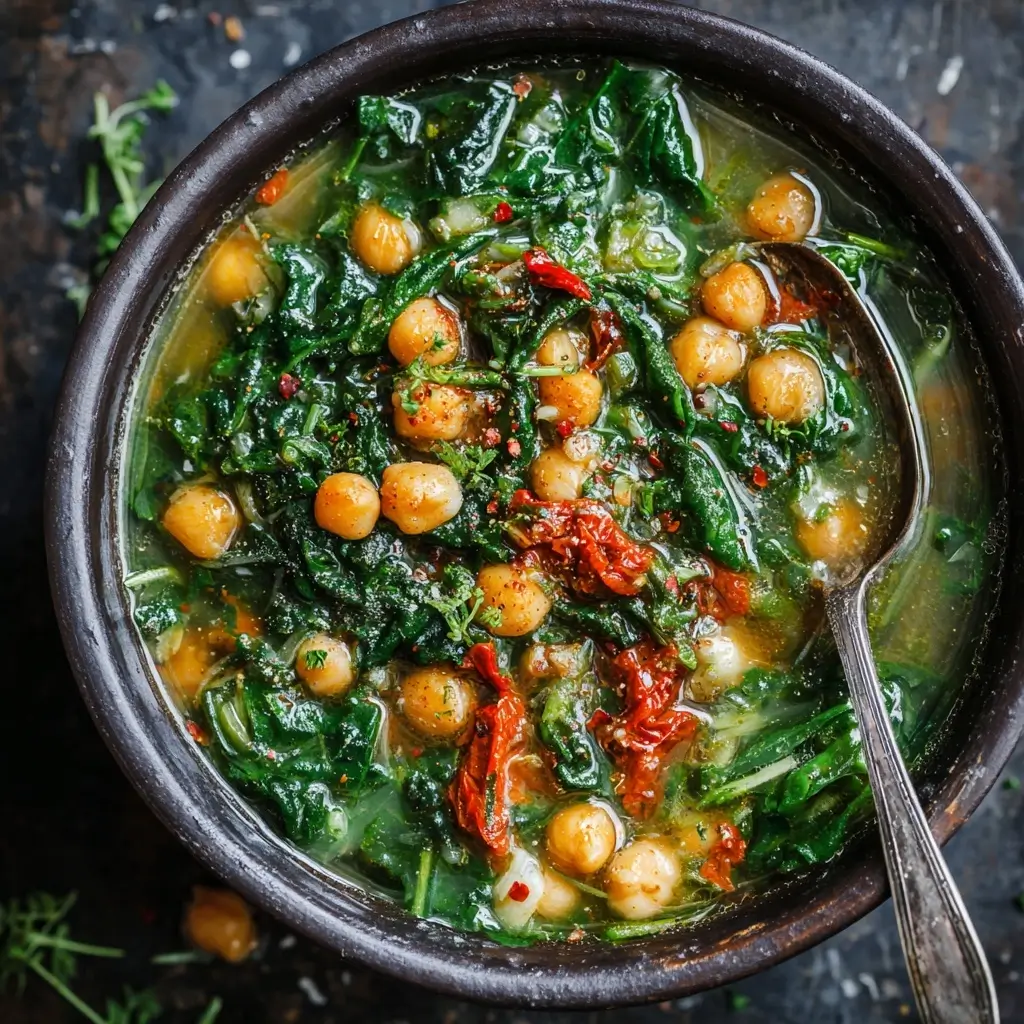
Welcome to a nourishing culinary journey with our Chickpea Spinach Detox Soup—a vibrant, nutrient-packed dish designed to rejuvenate your body and delight your taste buds. Whether you’re on a wellness kick, looking to reset after indulgent meals, or simply craving a comforting bowl of wholesome goodness, this soup is your perfect companion. Rich in plant-based protein, fiber, vitamins, and antioxidants, it’s more than just a meal—it’s a celebration of health, flavor, and simplicity. In this comprehensive guide, we’ll dive deep into every aspect of this detoxifying delight, from its historical roots to its nutritional benefits, ensuring you have all the tools you need to master this recipe in your own kitchen.
The History
While the Chickpea Spinach Detox Soup as we know it today may seem like a modern health food trend, its roots trace back to ancient culinary traditions across the Mediterranean, Middle East, and South Asia. Chickpeas—also known as garbanzo beans—have been cultivated for over 7,500 years, with archaeological evidence pointing to their use in Mesopotamia and the Levant. These legumes were staples in Roman, Greek, and Persian diets, often simmered into hearty stews and soups.
Spinach, originally grown in ancient Persia (modern-day Iran), made its way into European and Indian cuisines through cultural exchanges along trade routes like the Silk Road. By the 12th century, spinach was widely used in Andalusian Spain and later spread throughout Europe. Its pairing with legumes such as chickpeas became common in dishes like Spanish espinacas con garbanzos, a flavorful stew still enjoyed today.
The concept of “detox” soups emerged more recently, gaining popularity in the late 20th and early 21st centuries amid growing interest in clean eating, plant-based diets, and holistic wellness. Health enthusiasts began crafting soups that combined high-fiber vegetables, lean proteins, and anti-inflammatory spices to support digestion and liver function. Our Chickpea Spinach Detox Soup blends these timeless ingredients with modern nutritional science, creating a dish that honors tradition while supporting contemporary well-being.
Ingredients Breakdown
The magic of this soup lies in its thoughtfully chosen ingredients, each contributing unique flavors, textures, and health benefits. Here’s a detailed look at what goes into every spoonful:
- Chickpeas (Garbanzo Beans): A powerhouse of plant-based protein and dietary fiber, chickpeas help stabilize blood sugar levels, promote satiety, and support gut health. They also contain essential minerals like iron, magnesium, and folate.
- Fresh Spinach: Packed with vitamins A, C, and K, as well as iron and antioxidants like lutein and beta-carotene, spinach boosts immunity, supports eye health, and contributes to natural detoxification processes in the liver.
- Yellow Onion: Adds sweetness and depth to the soup base. Onions are rich in quercetin, a flavonoid with anti-inflammatory and antihistamine properties.
- Garlic: Known for its immune-boosting allicin content, garlic enhances flavor while offering antimicrobial and cardiovascular benefits.
- Carrots: Provide natural sweetness and are loaded with beta-carotene, which the body converts into vitamin A—vital for skin health and vision.
- Celery: Offers a subtle earthy note and contains phthalides, compounds believed to help lower blood pressure.
- Vegetable Broth: Forms the liquid foundation of the soup. Opt for low-sodium versions to control salt intake, or make your own for maximum freshness and minimal additives.
- Diced Tomatoes (Canned or Fresh): Introduce acidity and richness. Tomatoes are a prime source of lycopene, an antioxidant linked to reduced risk of heart disease and certain cancers.
- Lemon Juice: Brightens the entire dish and increases the bioavailability of iron from spinach thanks to its vitamin C content.
- Ground Cumin: Imparts a warm, earthy flavor and has digestive and anti-inflammatory properties.
- Smoked Paprika: Adds a subtle smokiness and depth without heat. It also contains capsaicinoids, which may boost metabolism.
- Ground Turmeric: A golden spice famed for its curcumin content, turmeric is a potent anti-inflammatory and antioxidant agent.
- Olive Oil: Used for sautéing, extra virgin olive oil provides heart-healthy monounsaturated fats and polyphenols.
- Fresh Parsley or Cilantro (optional garnish): Adds freshness and additional phytonutrients. Cilantro, in particular, is noted for its potential role in heavy metal detoxification.
- Sea Salt and Black Pepper: For seasoning, enhancing overall flavor profile while avoiding processed table salt.
Step-by-Step Recipe
Follow this easy-to-follow method to create a delicious, healing bowl of Chickpea Spinach Detox Soup right in your own kitchen. This recipe yields approximately 6 servings and takes about 45 minutes from start to finish.
- Prepare Ingredients: Begin by rinsing and draining one 15-ounce can of chickpeas (or using 1.5 cups of cooked chickpeas). Chop 1 medium yellow onion, mince 3 cloves of garlic, dice 2 medium carrots, slice 2 celery stalks, and roughly chop about 4 cups of fresh spinach. Have all other ingredients measured and ready.
- Sauté Aromatics: Heat 2 tablespoons of extra virgin olive oil in a large pot or Dutch oven over medium heat. Add the chopped onion and sauté for 4–5 minutes until translucent and slightly golden. Stir in the minced garlic and cook for another 30 seconds until fragrant—be careful not to burn it.
- Add Vegetables: Toss in the diced carrots and celery. Cook for 6–7 minutes, stirring occasionally, allowing them to soften and release their natural sugars.
- Introduce Spices: Sprinkle in 1 teaspoon ground cumin, ½ teaspoon smoked paprika, and ½ teaspoon ground turmeric. Stir continuously for about 1 minute to toast the spices, releasing their essential oils and intensifying their flavor.
- Pour in Liquids: Add 4 cups (about 1 liter) of low-sodium vegetable broth and one 14.5-ounce can of diced tomatoes (with juice). Stir well to combine and bring the mixture to a gentle boil.
- Add Chickpeas: Stir in the drained chickpeas. Reduce the heat to low, cover the pot, and let the soup simmer for 20–25 minutes. This allows the flavors to meld and the vegetables to become tender.
- Incorporate Spinach: Stir in the chopped spinach in batches, allowing each addition to wilt before adding more. Once fully incorporated, continue cooking for another 3–5 minutes.
- Finish with Citrus: Remove the soup from heat. Stir in the juice of half a lemon (about 2 tablespoons). Taste and adjust seasoning with sea salt and freshly ground black pepper as needed.
- Serve Warm: Ladle the soup into bowls. Garnish with chopped fresh parsley or cilantro, a drizzle of olive oil, or a sprinkle of red pepper flakes for heat if desired.
Tips
- Soak Dried Chickpeas Overnight: For a more economical and less processed option, use dried chickpeas. Soak ¾ cup overnight, then boil until tender (about 1–1.5 hours) before adding to the soup.
- Brighten Flavor Before Serving: A final squeeze of lemon juice just before serving enhances freshness and balances the earthy notes.
- Avoid Overcooking Spinach: To preserve its vibrant green color and nutrient content, add spinach toward the end and avoid prolonged boiling.
- Boost Creaminess: For a creamier texture without dairy, blend 1 cup of the finished soup and stir it back into the pot.
- Use Homemade Broth: If possible, prepare your own vegetable broth using carrot peels, onion skins, celery ends, and herbs for a richer, additive-free base.
- Batch Cooking Friendly: This soup stores well and tastes even better the next day as flavors deepen. Make a double batch and freeze portions for up to 3 months.
- Layer Flavors: Don’t rush the sauté step. Taking time to build flavor at the beginning ensures a more complex and satisfying final dish.
Variations and Customizations
This Chickpea Spinach Detox Soup is highly adaptable to suit different dietary needs, flavor preferences, and seasonal availability:
- Vegan & Gluten-Free: Naturally compliant, making it ideal for plant-based and gluten-sensitive diets.
- Add Greens: Swap or supplement spinach with kale, Swiss chard, collard greens, or arugula for varied textures and nutrients.
- Spice It Up: Add a pinch of cayenne pepper, crushed red pepper flakes, or a chopped fresh jalapeño when sautéing onions for a spicy kick.
- Protein Boost: Include diced tofu, tempeh, or white beans like cannellini or navy beans for added protein diversity.
- Grain Addition: Stir in cooked quinoa, brown rice, or farro to transform the soup into a heartier meal.
- Creamy Version: Blend half the soup with ¼ cup coconut milk for a luxuriously creamy, tropical twist.
- Mediterranean Twist: Add sun-dried tomatoes, olives, and a dash of oregano for a Greek-inspired variation.
- Indian-Inspired: Use garam masala instead of cumin and paprika, and finish with a swirl of plain yogurt and fresh cilantro.
- Low-Carb Option: Reduce chickpeas and increase non-starchy vegetables like zucchini, cauliflower, or mushrooms.
Health Considerations and Nutritional Value
Chickpea Spinach Detox Soup isn’t just delicious—it’s a nutritional powerhouse designed to support whole-body wellness. Here’s why it deserves a regular spot in your meal rotation:
- High Fiber Content: With approximately 8–10 grams of fiber per serving, this soup promotes healthy digestion, prevents constipation, and feeds beneficial gut bacteria.
- Plant-Based Protein: Each serving delivers around 10–12 grams of protein, helping maintain muscle mass and keep you full longer.
- Rich in Antioxidants: The combination of spinach, tomatoes, garlic, and turmeric offers a wide array of antioxidants that combat oxidative stress and inflammation.
- Supports Detoxification: Cruciferous-like compounds in spinach and sulfur-containing compounds in garlic assist the liver in detoxifying harmful substances.
- Heart-Healthy: Low in saturated fat and high in potassium and fiber, this soup helps regulate blood pressure and cholesterol levels.
- Weight Management: High volume, low calorie density, and high satiety make this soup excellent for those managing weight.
- Diabetes-Friendly: The complex carbohydrates and fiber help prevent blood sugar spikes, making it suitable for individuals with insulin resistance or type 2 diabetes.
- Iron Absorption: The vitamin C from lemon juice significantly enhances the absorption of non-heme iron from spinach and chickpeas—crucial for vegetarians and vegans.
Nutritional Estimate per Serving (1 of 6):
- Calories: ~180–200
- Protein: 9–11g
- Carbohydrates: 30–34g
- Dietary Fiber: 8–10g
- Fat: 4–5g (mostly unsaturated)
- Sodium: ~300–400mg (varies based on broth)
- Vitamin A: 120% DV
- Vitamin C: 45% DV
- Vitamin K: 150% DV
- Folate: 60% DV
- Iron: 25% DV
- Magnesium: 20% DV
Ingredients
- 2 tablespoons extra virgin olive oil
- 1 medium yellow onion, finely chopped
- 3 cloves garlic, minced
- 2 medium carrots, diced
- 2 celery stalks, sliced
- 1 teaspoon ground cumin
- ½ teaspoon smoked paprika
- ½ teaspoon ground turmeric
- 4 cups low-sodium vegetable broth
- 1 (14.5 oz) can diced tomatoes (with juice)
- 1 (15 oz) can chickpeas, rinsed and drained (or 1.5 cups cooked)
- 4 cups fresh spinach, roughly chopped
- Juice of ½ lemon (about 2 tablespoons)
- Sea salt and freshly ground black pepper, to taste
- Optional garnishes: chopped parsley or cilantro, extra olive oil, red pepper flakes
Directions
- Heat olive oil in a large pot over medium heat. Add onion and sauté for 4–5 minutes until soft and translucent.
- Add garlic and cook for 30 seconds until fragrant.
- Stir in carrots and celery. Cook for 6–7 minutes, stirring occasionally.
- Add cumin, smoked paprika, and turmeric. Stir for 1 minute to toast the spices.
- Pour in vegetable broth and diced tomatoes. Bring to a boil.
- Add chickpeas, reduce heat, cover, and simmer for 20–25 minutes.
- Stir in spinach in batches, allowing each to wilt before adding more. Cook for 3–5 minutes.
- Remove from heat. Stir in lemon juice. Season with salt and pepper to taste.
- Serve hot, garnished as desired.
FAQ
Can I use frozen spinach instead of fresh?
Yes, you can! Use about 10 ounces of frozen chopped spinach, thawed and squeezed dry to remove excess moisture. Add it at the same step as fresh spinach.
Is this soup freezer-friendly?
Absolutely. Let the soup cool completely, then store in airtight containers or freezer bags for up to 3 months. Thaw overnight in the refrigerator and reheat gently on the stove.
Can I make this in a slow cooker?
Yes! Sauté onions, garlic, carrots, celery, and spices first, then transfer to a slow cooker. Add broth, tomatoes, and chickpeas. Cook on low for 6–8 hours or high for 3–4 hours. Stir in spinach and lemon juice before serving.
How long does it last in the fridge?
Stored in an airtight container, the soup will stay fresh for 4–5 days. The flavors often improve after a day or two.
Can I make it oil-free?
Yes. Replace olive oil with ¼ cup water or broth for sautéing. The soup will be lighter but still flavorful.
Why is it called a “detox” soup?
“Detox” here refers to supporting the body’s natural detoxification systems—primarily the liver and digestive tract—through nutrient-dense, whole-food ingredients. It’s not a medical cleanse but a healthy, cleansing meal option.
Can I use canned broth, or should I make my own?
Canned is fine, especially low-sodium varieties. For optimal flavor and fewer preservatives, homemade broth is ideal, but store-bought works perfectly for convenience.
Summary
Chickpea Spinach Detox Soup is a nourishing, flavor-rich blend of plant-powered ingredients that supports digestion, boosts immunity, and revitalizes your body. Easy to make, endlessly customizable, and packed with essential nutrients, it’s the ultimate comfort food for anyone seeking a healthier lifestyle.