
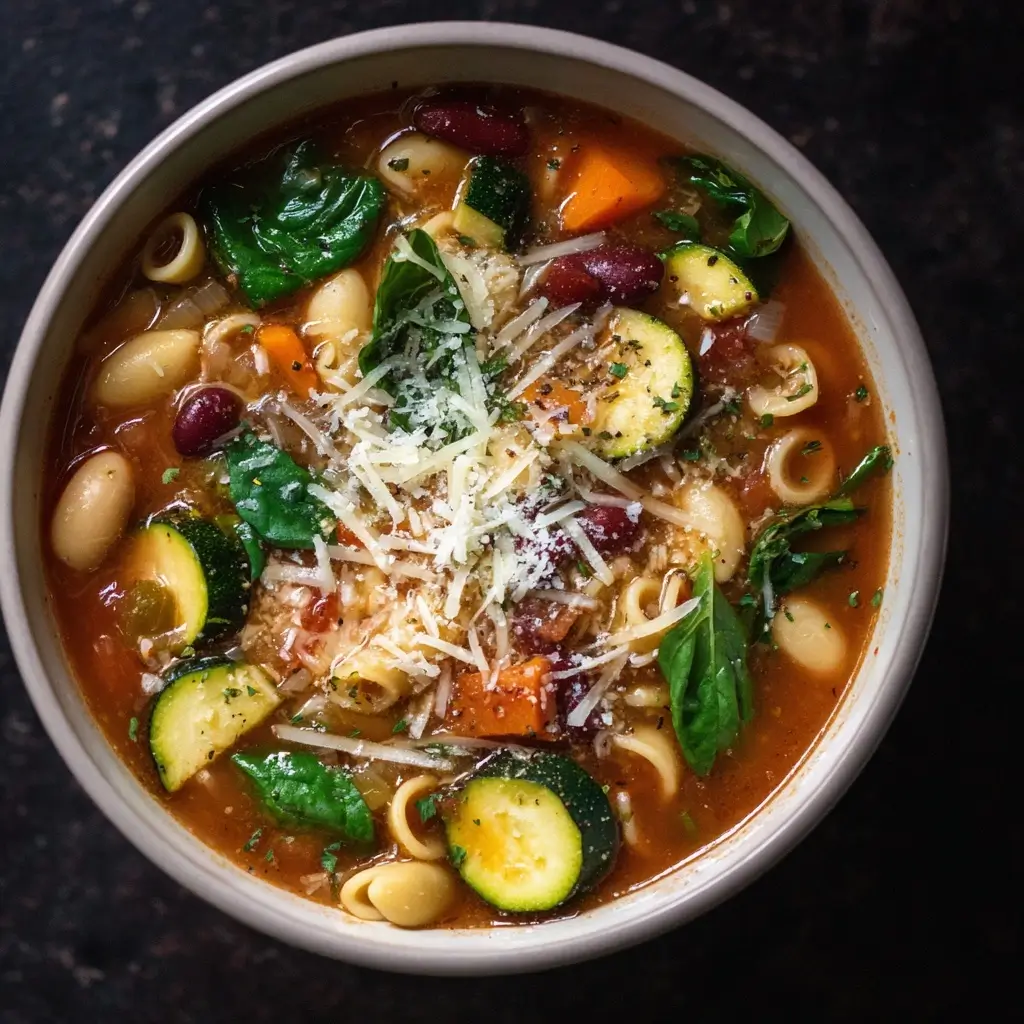
Quick & Easy Minestrone Soup: A Hearty, Healthy Classic in No Time
There’s nothing quite like a warm bowl of minestrone soup to comfort the soul and nourish the body. Originating from Italy, this rustic vegetable medley has evolved over centuries into one of the most beloved soups worldwide. The beauty of minestrone lies not only in its rich history but also in its adaptability—every region, every family, even every cook adds their own twist. Today, we bring you a quick and easy version that captures all the essence of traditional minestrone without the hours of simmering. Whether you’re looking for a nutritious weeknight meal, a way to use up leftover vegetables, or simply crave something warm and satisfying, this recipe delivers on every front.
The History of Minestrone Soup
Minestrone soup traces its roots back to ancient Rome, where it began as a humble peasant dish made from whatever vegetables were in season and readily available. The word “minestrone” comes from the Italian word minestra, meaning “soup” or “that which is served,” with the suffix “-one” denoting greatness—literally translating to “big soup.” Over time, regional variations emerged across Italy. In Tuscany, beans and kale dominate; in Liguria, pesto is swirled in at the end; in Emilia-Romagna, pasta and Parmesan rind enrich the broth.
Originally thickened with grains like spelt or farro, minestrone evolved with the introduction of potatoes and tomatoes from the New World in the 16th century. By the 18th century, it had become a staple of Italian cuisine. Unlike other soups with rigid recipes, minestrone was always about abundance, resourcefulness, and seasonal eating. This flexibility is what makes it perfect for modern kitchens—especially when time is limited. Our version honors these traditions while streamlining the process so you can enjoy a deeply flavorful, nutrient-packed soup in under 45 minutes.
Ingredients Breakdown: What Makes This Minestrone Shine
The magic of minestrone lies in its layers of flavor built from fresh, wholesome ingredients. Here’s a detailed look at each component and why it matters:
- Olive Oil: A high-quality extra virgin olive oil forms the aromatic base, enhancing both flavor and heart-healthy fats.
- Onion, Carrot, and Celery (Soffritto): This classic trio, known as soffritto in Italian cooking, provides the foundational flavor profile. Sautéed slowly, they release natural sugars and create depth.
- Garlic: Adds pungency and complexity. Freshly minced ensures the best taste.
- Diced Tomatoes (Canned): Provide acidity, sweetness, and body. Opt for fire-roasted or San Marzano-style for richer flavor.
- Vegetable Broth (or Chicken Broth): The liquid backbone. Low-sodium versions allow you to control salt levels.
- Potato: Adds creaminess without dairy. Yukon Gold works best due to its buttery texture.
- Zucchini and Green Beans: Bring freshness and color. They hold their shape well during cooking.
- Kidney Beans or Cannellini Beans (Canned): Offer plant-based protein and fiber. Rinsed to reduce sodium.
- Small Pasta (Ditalini, Elbow Macaroni, or Small Shells): Gives the soup heartiness. Gluten-free options work perfectly too.
- Fresh Spinach or Kale: Packed with nutrients and vibrant green color. Added at the end to retain texture and vitamins.
- Italian Seasoning, Bay Leaf, Salt, and Pepper: Build the herbal aroma and balance.
- Parmesan Cheese Rind (Optional but Recommended): Simmered in the soup, it imparts umami richness and depth.
- Fresh Basil or Parsley (Garnish): Brightens the dish with a burst of freshness.
- Grated Parmesan (Optional): For serving—adds salty, nutty finish.
Step-by-Step Recipe: How to Make Quick & Easy Minestrone Soup
This simplified method ensures maximum flavor with minimal effort. Follow these steps for a restaurant-quality result every time.
- Sauté the Aromatics: In a large pot or Dutch oven, heat 2 tablespoons of olive oil over medium heat. Add 1 diced onion, 1 diced carrot, and 2 stalks of chopped celery. Cook for 6–8 minutes, stirring occasionally, until softened and slightly golden. Stir in 3 minced garlic cloves and cook for 30 seconds until fragrant.
- Add Tomatoes and Seasonings: Pour in one 14.5 oz can of diced tomatoes (with juices). Add 1 teaspoon dried oregano, 1 teaspoon dried basil, ½ teaspoon thyme, 1 bay leaf, freshly ground black pepper, and optional red pepper flakes for heat. Stir and cook for 2 minutes to deepen flavors.
- Pour in Broth and Hearty Vegetables: Add 4 cups of low-sodium vegetable broth and 1 cup of water. Stir in 1 peeled and diced medium potato, 1 chopped zucchini, and 1 cup of trimmed and halved green beans. If using, add a Parmesan cheese rind now. Bring to a gentle boil.
- Simmer Until Tender: Reduce heat to medium-low, cover, and simmer for 12–15 minutes, or until the vegetables are just tender.
- Add Beans and Pasta: Stir in 1 (15 oz) can of rinsed kidney or cannellini beans and ¾ cup small pasta. Return to a simmer and cook uncovered for 8–10 minutes, or until pasta is al dente. Stir occasionally to prevent sticking.
- Incorporate Greens: Remove the bay leaf and Parmesan rind (if used). Stir in 2 cups of fresh spinach or chopped kale. Cook for 2–3 minutes until wilted.
- Finish and Serve: Turn off the heat. Drizzle with a little extra olive oil and stir in fresh basil or parsley. Taste and adjust seasoning with salt and pepper as needed.
- Garnish and Enjoy: Ladle into bowls. Top with grated Parmesan cheese and an extra sprinkle of herbs. Serve hot with crusty bread or garlic toast.
Tips for Perfect Minestrone Every Time
- Don’t Rush the Soffritto: Take your time sautéing the onion, carrot, and celery. This step builds the flavor foundation—cooking them slowly enhances sweetness and depth.
- Use a Parmesan Rind: Save rinds from Parmesan cheese in the freezer. Adding one to the soup while simmering infuses incredible umami. Remove before serving.
- Control Pasta Texture: To avoid mushy pasta, especially with leftovers, consider cooking the pasta separately and adding it to each bowl. This keeps it firm.
- Boost Flavor with Tomato Paste: For a richer taste, add 1 tablespoon of tomato paste with the garlic and cook for 1 minute before adding tomatoes.
- Brighten Before Serving: A splash of lemon juice or red wine vinegar at the end lifts the flavors and balances richness.
- Customize Cooking Time: If you prefer softer vegetables, extend the simmer time. For crunchier texture, reduce it.
- Make It Ahead: Minestrone tastes even better the next day! Store in the fridge for up to 5 days or freeze for up to 3 months (without pasta, if possible).
Variations and Customizations
One of the greatest strengths of minestrone is its versatility. Feel free to adapt based on dietary needs, seasonal produce, or pantry contents:
- Gluten-Free: Use gluten-free pasta or substitute with cooked quinoa, rice, or spiralized zucchini noodles.
- Vegan: Ensure no animal products are used. Skip Parmesan garnish or use a vegan alternative. The soup is naturally plant-based otherwise.
- Protein-Packed: Add browned Italian sausage, shredded chicken, or pancetta for a meaty version. For plant-based, toss in lentils or chickpeas.
- Seasonal Twists:
- Spring: Swap in peas, asparagus, and fresh herbs like mint.
- Summer: Use fresh tomatoes, yellow squash, and basil.
- Fall: Add butternut squash, sweet potato, and rosemary.
- Winter: Include cabbage, leeks, and turnips.
- Creamy Version: Blend a portion of the soup and stir it back in for a thicker texture—no cream needed!
- Pesto Swirl: Stir in a spoonful of homemade or store-bought pesto just before serving for a vibrant, herbaceous kick.
- Instant Pot/Pressure Cooker: Sauté aromatics using the sauté function, then pressure cook on High for 8 minutes with all ingredients except greens and pasta. Quick release, then add greens and cook pasta manually.
- Slow Cooker: Combine all ingredients except pasta, greens, and fresh herbs in a slow cooker. Cook on Low for 6–8 hours. Add pasta and greens in the last 30 minutes.
Health Considerations and Nutritional Value
Minestrone isn’t just delicious—it’s a nutritional powerhouse. This quick version is packed with fiber, vitamins, antioxidants, and plant-based protein, making it ideal for those seeking balanced, wholesome meals.
Nutritional Highlights (per serving, approx. 1.5 cups):
- Calories: ~220–260
- Fiber: 8–10g (supports digestion and satiety)
- Protein: 7–10g (from beans and optional cheese)
- Vitamin A: From carrots and greens—supports vision and immunity
- Vitamin C: From tomatoes and zucchini—boosts immune function
- Potassium: From beans, potatoes, and tomatoes—helps regulate blood pressure
- Low in Saturated Fat: Especially in vegan version—heart-healthy choice
- Rich in Antioxidants: Lycopene from tomatoes, flavonoids from olive oil and herbs
Dietary Benefits:
- Ideal for weight management due to high volume and low calorie density.
- Naturally cholesterol-free and low in sodium (when using low-sodium broth).
- Supports gut health through fiber-rich vegetables and legumes.
- May help stabilize blood sugar thanks to complex carbs and fiber.
Considerations:
- Monitor sodium content by choosing low-sodium broths and rinsing canned beans thoroughly.
- If concerned about carbohydrates, reduce pasta amount or replace with cauliflower rice.
- Ensure adequate protein intake in vegan versions by including beans, lentils, or tofu.
Ingredients
- 2 tbsp extra virgin olive oil
- 1 medium onion, diced
- 1 medium carrot, diced
- 2 celery stalks, chopped
- 3 garlic cloves, minced
- 1 (14.5 oz) can diced tomatoes (preferably fire-roasted or San Marzano)
- 4 cups low-sodium vegetable broth (or chicken broth)
- 1 cup water
- 1 medium Yukon Gold potato, peeled and diced
- 1 medium zucchini, diced
- 1 cup green beans, trimmed and cut into 1-inch pieces
- 1 (15 oz) can kidney beans or cannellini beans, drained and rinsed
- ¾ cup small pasta (ditalini, elbows, or shells)
- 2 cups fresh spinach or chopped kale
- 1 tsp dried oregano
- 1 tsp dried basil
- ½ tsp dried thyme
- 1 bay leaf
- ¼ tsp red pepper flakes (optional)
- Salt and freshly ground black pepper, to taste
- 1 Parmesan cheese rind (optional but recommended)
- Fresh basil or parsley, chopped (for garnish)
- Extra olive oil and grated Parmesan (for serving)
Directions
- In a large pot or Dutch oven, heat olive oil over medium heat. Add onion, carrot, and celery. Sauté for 6–8 minutes until soft and lightly golden.
- Stir in garlic and cook for 30 seconds until fragrant.
- Add diced tomatoes (with juice), oregano, basil, thyme, bay leaf, red pepper flakes (if using), and a pinch of black pepper. Cook for 2 minutes, stirring frequently.
- Pour in vegetable broth and water. Add potato, zucchini, green beans, and Parmesan rind (if using). Bring to a boil.
- Reduce heat to medium-low, cover, and simmer for 12–15 minutes until vegetables are tender.
- Stir in beans and pasta. Simmer uncovered for 8–10 minutes until pasta is cooked through.
- Remove bay leaf and Parmesan rind. Stir in spinach or kale and cook for 2–3 minutes until wilted.
- Taste and season with salt and pepper as needed. Drizzle with olive oil and stir in fresh herbs.
- Ladle into bowls. Top with grated Parmesan and additional herbs. Serve hot with crusty bread.
FAQ
Can I make this soup ahead of time?
Yes! Minestrone often tastes better the next day. Store in an airtight container in the fridge for up to 5 days. Reheat gently on the stove. If freezing, consider leaving out the pasta or storing it separately to maintain texture.
Why is my pasta mushy?
Pasta continues to absorb liquid in the soup. To prevent this, cook pasta separately and add it per serving, especially if planning leftovers.
Can I use frozen vegetables?
Absolutely! Frozen green beans, peas, or mixed vegetables work well. Add them with the broth—no need to thaw.
Is minestrone gluten-free?
It can be! Just use gluten-free pasta and ensure your broth is certified gluten-free.
Can I make it in a slow cooker?
Yes. Sauté vegetables first (optional but recommended), then transfer to a slow cooker with all ingredients except pasta, greens, and fresh herbs. Cook on Low 6–8 hours. Add pasta and greens in the last 30 minutes.
How do I store and reheat leftovers?
Cool completely and refrigerate in sealed containers. Reheat on the stove over medium heat, adding a splash of broth or water if too thick.
What can I substitute for beans?
Lentils, chickpeas, or white beans are great alternatives. You can also omit them for a lighter version, though you’ll lose some protein and fiber.
Summary
Quick & Easy Minestrone Soup brings the comforting, hearty flavors of Italy to your table in under 45 minutes—packed with vegetables, beans, and pasta in a savory, herb-infused broth. Perfect for meal prep, family dinners, or cozy nights, it’s a nutritious, customizable classic that never goes out of style.