
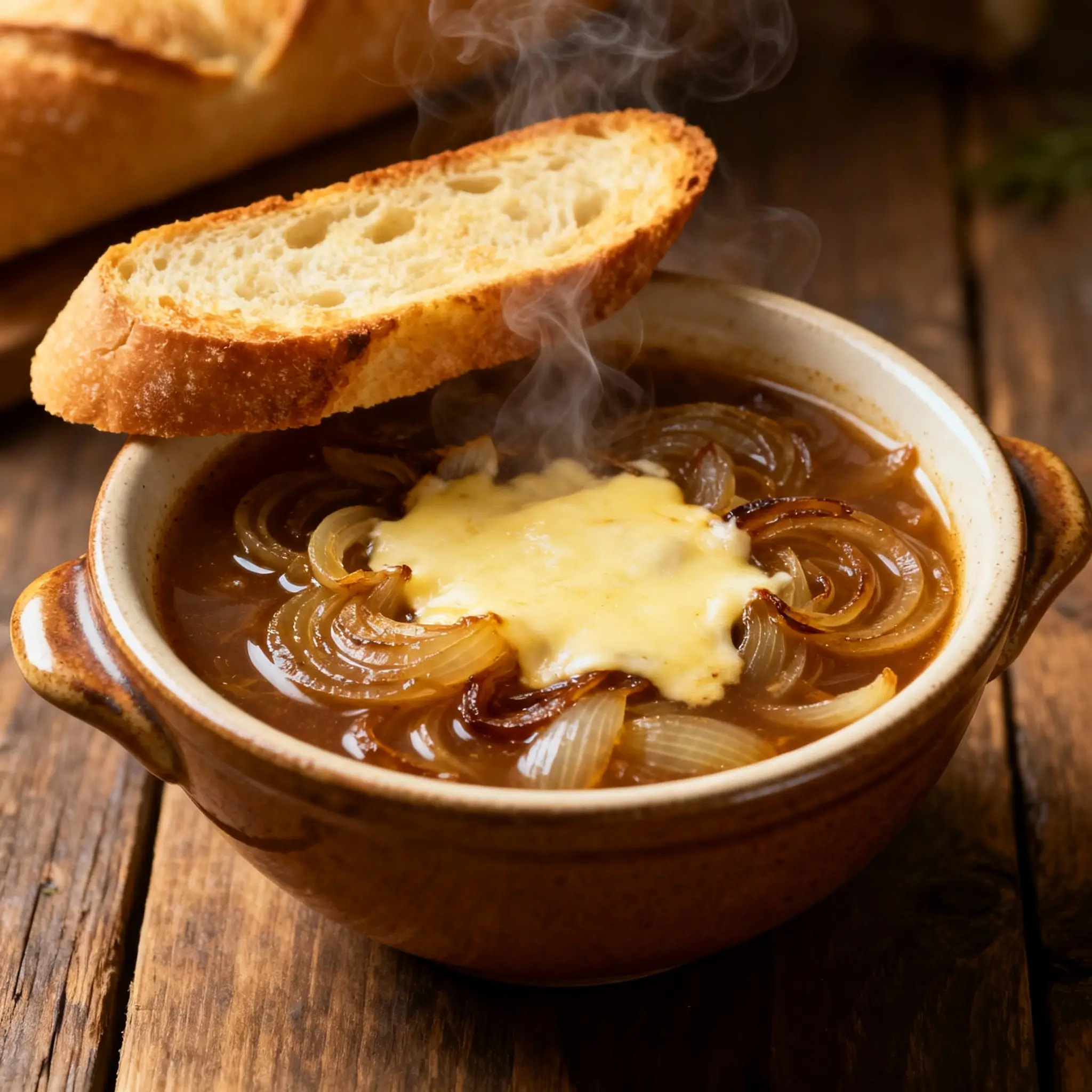
Savory French Onion Soup: A Hearty Classic Reimagined
There are few dishes that capture the essence of comfort and culinary tradition quite like Savory French Onion Soup. Rich, deeply flavored, and crowned with a golden crust of melted cheese, this iconic dish has warmed hearts across generations and continents. Whether enjoyed in a cozy Parisian bistro or recreated in your own kitchen, French Onion Soup offers an unparalleled depth of flavor that balances sweet, savory, and umami notes in perfect harmony. This comprehensive guide dives into every aspect of this beloved recipe—from its storied history to the science behind caramelizing onions—so you can master it with confidence and creativity.
The History of French Onion Soup
French Onion Soup, or Soupe à l’oignon, traces its roots back to ancient Rome, where onion-based soups were considered peasant fare due to the vegetable’s abundance and low cost. However, the version we recognize today began gaining popularity in 18th-century France, particularly among working-class Parisians. Onions were one of the few vegetables available year-round and could be transformed into something luxurious with slow cooking and simple ingredients.
The soup evolved during the reign of King Louis XV, who was said to have created a version using onions, butter, and Champagne after finding only those items in his kitchen—a tale more legend than fact, but symbolic of the dish’s rustic charm. By the 19th century, French Onion Soup had made its way into cafés and brasseries, often served with a crouton and melted cheese on top, thanks to advancements in dairy preservation and bread baking.
Today, it stands as a symbol of French culinary ingenuity—transforming humble ingredients into a rich, soul-satisfying meal. Its international fame grew during the 20th century, especially in American cuisine, where variations emerged with beef broth, white wine, and Gruyère cheese becoming staples. The dish remains a testament to the power of patience and simplicity in cooking.
Ingredients Breakdown: What Makes It Irresistible?
The magic of French Onion Soup lies in its deceptively simple ingredient list. Each component plays a crucial role in building layers of flavor that unfold with every spoonful. Here’s a detailed look at what goes into an authentic, savory rendition:
- Onions: The star of the show. Yellow onions are preferred for their balance of sweetness and pungency, though some chefs blend in red or shallots for complexity. You’ll need about 4–5 large onions (around 3 pounds), thinly sliced. The long caramelization process transforms their natural sugars, creating a deep, jammy base.
- Butter and Olive Oil: A combination of both ensures rich flavor (from butter) and a higher smoke point (from olive oil), preventing burning during extended cooking.
- Beef Broth: High-quality, homemade or low-sodium store-bought beef broth forms the liquid foundation. For a deeper taste, some recipes use a mix of beef and chicken broth or add a splash of mushroom stock for vegetarian versions.
- Dry White Wine: Typically a crisp variety like Sauvignon Blanc or Pinot Grigio. The wine deglazes the pan, lifts fond (browned bits), and adds acidity that balances the sweetness of the onions.
- Garlic: Minced fresh garlic introduced near the end of caramelization adds aromatic depth without overpowering.
- Flour (optional): A small amount (about 1 tablespoon) is sometimes used as a thickener to give the soup a velvety body.
- Herbs: Fresh thyme sprigs and a bay leaf infuse earthy, woodsy notes. These are removed before serving.
- Baguette or Sourdough Bread: Sturdy slices are toasted until crisp to support the weight of the soup and cheese topping.
- Cheese: Gruyère is traditional—nutty, creamy, and excellent for melting. Comté, Emmental, or a blend with Parmesan can enhance flavor and texture.
- Brandy or Sherry (optional): A splash added after deglazing intensifies umami and adds a subtle warmth.
Every ingredient contributes to the symphony of taste: the sweetness of slowly cooked onions, the savoriness of broth, the tang of wine, and the richness of cheese—all coming together in a bowl that feels both rustic and refined.
Step-by-Step Recipe: Crafting the Perfect Bowl
Creating an exceptional French Onion Soup requires time and attention, but the process is straightforward and deeply rewarding. Follow these detailed steps for a restaurant-quality result:
- Prepare the Onions: Peel and thinly slice 4–5 large yellow onions. Uniformity is key—aim for slices about 1/8 inch thick to ensure even cooking.
- Heat the Fat: In a large, heavy-bottomed pot or Dutch oven, melt 4 tablespoons of unsalted butter with 2 tablespoons of olive oil over medium heat. The combination prevents the butter from burning while adding flavor.
- Caramelize the Onions: Add the onions and stir to coat in the fat. Cook uncovered, stirring occasionally, for 45 minutes to 1 hour. Reduce heat to medium-low if they begin to brown too quickly. The goal is a deep golden-brown color, not burnt. Patience here is essential—rushing leads to steamed, not caramelized, onions.
- Add Garlic and Deglaze: Stir in 2 minced garlic cloves and cook for 1 minute until fragrant. Pour in ½ cup dry white wine to deglaze the pan, scraping up any browned bits. Simmer until the liquid reduces by half, about 5–7 minutes.
- Optional Brandy Boost: For extra depth, add 2 tablespoons of brandy and flambé (ignite carefully) or simmer until evaporated.
- Thicken Slightly (if desired): Sprinkle in 1 tablespoon all-purpose flour and stir for 1–2 minutes to cook off the raw taste.
- Add Broth and Herbs: Gradually pour in 6 cups of hot beef broth, stirring constantly. Add 2 sprigs of fresh thyme and 1 bay leaf. Bring to a gentle boil, then reduce to a simmer.
- Simmer for Flavor Development: Let the soup simmer uncovered for 30–40 minutes to meld flavors. Taste and adjust seasoning with salt and freshly ground black pepper. Remove thyme and bay leaf.
- Prepare the Croutons: While the soup simmers, preheat oven to 375°F (190°C). Slice a baguette into ¾-inch rounds, brush with olive oil, and toast on a baking sheet for 10–12 minutes until golden and crisp.
- Assemble and Broil: Ladle the hot soup into oven-safe bowls or crocks. Float a toasted bread round on each. Generously cover with shredded Gruyère (about ½ cup per bowl). Place bowls on a baking sheet and broil 4–6 inches from the heat for 3–5 minutes, watching closely until the cheese is bubbly and golden with dark spots.
- Serve Immediately: Carefully remove (bowls will be very hot) and serve with a side salad or crusty bread for a complete meal.
Tips for Success: Elevating Your Soup Game
To achieve a truly outstanding French Onion Soup, consider these expert tips:
- Don’t Rush Caramelization: This is the most critical step. True caramelization takes time—up to an hour. Low and slow wins the race. If needed, extend the time and add a splash of water to prevent sticking.
- Use a Wide Pot: A larger surface area allows moisture to evaporate faster, promoting browning rather than steaming.
- Season in Layers: Add a pinch of salt early to draw out moisture from onions and enhance browning. Adjust final seasoning after adding broth.
- Choose Quality Broth: Homemade beef broth with roasted bones yields superior flavor. If using store-bought, opt for low-sodium so you can control the salt level.
- Toast the Bread Well: Under-toasted bread turns soggy. Aim for crispness throughout to support the soup and cheese.
- Watch the Broiler Like a Hawk: Cheese can go from golden to burnt in seconds. Stay nearby and rotate bowls if necessary for even melting.
- Use Oven-Safe Bowls: Traditional ceramic soup crocks are ideal, but any heatproof container works. Avoid thin glass or non-oven-safe materials.
- Let It Rest Before Serving: Allow the soup to cool slightly after broiling—the cheese skin hardens a bit, making it easier to eat.
Variations and Customizations
While classic French Onion Soup is timeless, modern interpretations offer exciting twists to suit different tastes and dietary needs:
- Vegetarian/Vegan Version: Replace beef broth with rich mushroom or vegetable broth. Use vegan butter and omit cheese or substitute with plant-based meltable cheese. Nutritional yeast can add a cheesy note.
- Chicken or Turkey Broth Variation: Lighter in color and flavor, ideal for those who prefer a less robust profile.
- Beer Instead of Wine: A malty Belgian ale or stout can replace wine for a deeper, slightly bitter complexity.
- Spiced-Up Version: Add a pinch of smoked paprika, a dash of Worcestershire sauce (vegetarian if needed), or a few drops of hot sauce for heat.
- Herb Variations: Rosemary or tarragon can complement thyme for a different aromatic profile.
- Gluten-Free Option: Omit flour or use cornstarch slurry (mix 1 tsp cornstarch with 1 tbsp cold water) to thicken. Use gluten-free bread for croutons.
- Mini Individual Pots: Serve in small cast-iron skillets or ramekins for an elegant presentation at dinner parties.
- Breakfast Twist: Top the finished soup with a poached or fried egg for a hearty morning meal.
- Slow Cooker Method: After caramelizing onions on the stove, transfer everything to a slow cooker and simmer on low for 6–8 hours for hands-off cooking.
Health Considerations and Nutritional Value
French Onion Soup, while indulgent, can be adapted to fit various health goals. Here’s a breakdown of its nutritional aspects:
- Calories: A typical serving (1 bowl with cheese and bread) ranges from 350–500 calories, depending on portion size and ingredients.
- Fat Content: Primarily from butter and cheese. Using reduced-fat cheese or decreasing the amount can lower saturated fat.
- Sodium: Store-bought broths can be high in sodium. Opt for low-sodium versions or make homemade broth to control salt levels.
- Carbohydrates: Mainly from onions and bread. Onions are rich in fiber and antioxidants like quercetin, which has anti-inflammatory properties.
- Protein: Comes from cheese and broth. Adding lentils or beans in a vegetarian version boosts protein and fiber.
- Bone Health: Beef broth contains collagen and minerals like calcium and magnesium, potentially supporting joint and bone health.
- Immune Support: Garlic and onions contain allicin and other compounds linked to immune function and heart health.
To make a healthier version: use half butter, half olive oil; reduce cheese quantity; increase herbs for flavor without calories; and serve with a smaller bread portion or skip it entirely. Despite its richness, French Onion Soup, when enjoyed in moderation, can be part of a balanced diet.
Full Ingredient List
- 4–5 large yellow onions (about 3 lbs), thinly sliced
- 4 tablespoons unsalted butter
- 2 tablespoons olive oil
- ½ cup dry white wine (e.g., Sauvignon Blanc)
- 2 tablespoons brandy (optional)
- 2 garlic cloves, minced
- 1 tablespoon all-purpose flour (or cornstarch for gluten-free)
- 6 cups hot beef broth (low-sodium preferred)
- 2 sprigs fresh thyme
- 1 bay leaf
- Salt and freshly ground black pepper, to taste
- 1 baguette or sourdough loaf, sliced into ¾-inch rounds
- 1 cup shredded Gruyère cheese (or substitute with Comté, Emmental, or vegan alternative)
- Olive oil (for brushing bread)
Detailed Directions
- In a large Dutch oven or heavy pot, combine butter and olive oil over medium heat. Melt and warm through.
- Add sliced onions and stir to coat in the fat. Season lightly with salt to help draw out moisture.
- Cook onions slowly, stirring every 10 minutes, for 45–60 minutes until deeply caramelized and golden brown. Adjust heat as needed to prevent burning.
- Stir in minced garlic and cook for 1 minute until aromatic.
- Pour in white wine, scraping the bottom of the pot to release browned bits. Simmer 5–7 minutes until reduced by half.
- If using, add brandy and either flambé or simmer 2–3 minutes until alcohol evaporates.
- Sprinkle flour over onions and stir for 1–2 minutes to eliminate raw flour taste.
- Gradually add hot beef broth, stirring continuously to blend.
- Add thyme sprigs and bay leaf. Bring to a boil, then reduce to a simmer.
- Cover partially and simmer for 30–40 minutes to deepen flavors. Taste and adjust seasoning.
- Remove thyme and bay leaf. Keep soup hot.
- Preheat oven to 375°F (190°C). Arrange bread slices on a baking sheet, brush with olive oil, and toast 10–12 minutes until crisp.
- Preheat broiler. Ladle soup into oven-safe bowls. Top each with a toasted bread round.
- Cover bread generously with shredded cheese.
- Place bowls on a baking sheet and broil 4–6 inches from heat for 3–5 minutes until cheese is bubbled and golden brown.
- Serve immediately with caution—bowls and soup will be extremely hot.
Frequently Asked Questions (FAQ)
Can I make French Onion Soup ahead of time?
Yes! The soup base can be made 2–3 days in advance and refrigerated, or frozen for up to 3 months. Reheat gently on the stove before adding toppings and broiling.
Why are my onions taking so long to caramelize?
Caramelization is a slow chemical reaction requiring time and low heat. Crowding the pan or using high heat causes steaming instead. Be patient—this step defines the soup’s flavor.
Can I use a different cheese?
Absolutely. Gruyère is traditional, but Emmental, Fontina, or even sharp provolone work well. Avoid pre-shredded cheese, which contains anti-caking agents that hinder melting.
Is French Onion Soup gluten-free?
Not traditionally, due to flour and bread. But it can be made gluten-free using a thickener like cornstarch and GF bread.
Can I make this in a slow cooker?
Yes. Caramelize onions and deglaze on the stove, then transfer to a slow cooker with broth and herbs. Cook on low for 6–8 hours. Finish with toasted bread and broiled cheese.
What wine should I use?
A dry, crisp white like Sauvignon Blanc or Pinot Grigio is ideal. Avoid “cooking wine”—use a bottle you’d drink.
How do I prevent the cheese from burning under the broiler?
Watch it closely and position the rack properly. If needed, cover edges of bread with foil to protect them.
Can I freeze French Onion Soup?
Yes, without the bread and cheese. Freeze the soup base in airtight containers for up to 3 months. Thaw overnight and reheat before finishing.
Summary
Savory French Onion Soup is a timeless dish that marries sweet caramelized onions with rich broth and molten cheese for an unforgettable comfort food experience. With patience and quality ingredients, you can recreate this French classic at home and customize it to suit any palate or diet.