
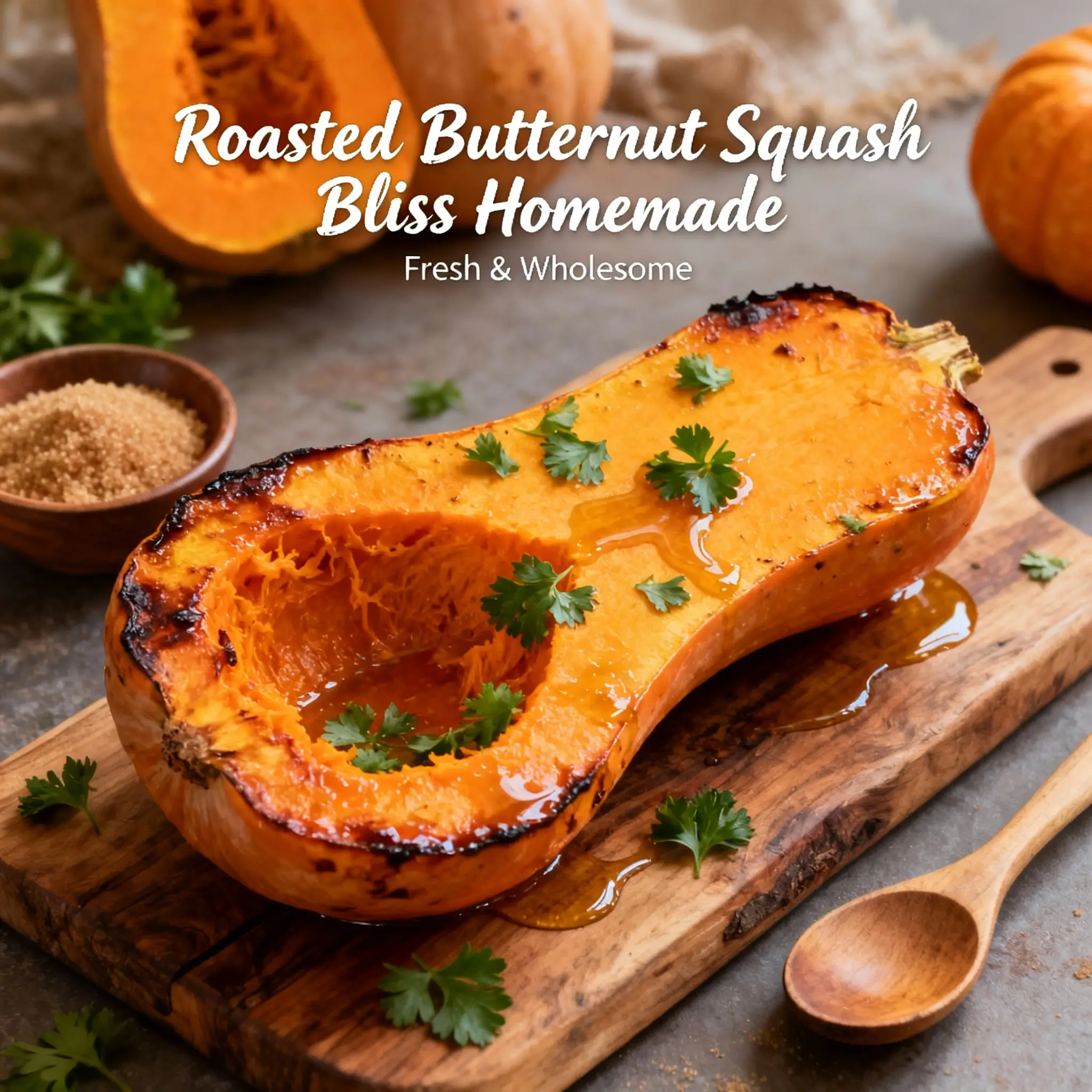
Roasted Butternut Squash Bliss: A Comforting, Flavorful Delight for Every Season
There’s something undeniably comforting about the warm, earthy sweetness of roasted butternut squash. Whether it graces your table in the heart of autumn or brings cozy warmth to a winter dinner, Roasted Butternut Squash Bliss is more than just a side dish—it’s an experience. This recipe celebrates the natural richness of butternut squash, enhanced by simple ingredients and elevated with aromatic spices and herbs. From its humble roots to its modern-day popularity on gourmet menus, roasted butternut squash has become a beloved staple in kitchens around the world. In this comprehensive guide, we’ll dive into the history, science, and soul of this dish, offering you not only a step-by-step recipe but also insights into variations, health benefits, and expert tips to make every bite a moment of pure bliss.
The History of Butternut Squash and Roasting Traditions
Butternut squash (Cucurbita moschata) traces its origins back thousands of years to Central and South America, where indigenous peoples cultivated various types of squash as early as 8,000 BCE. These early agricultural societies revered squash for its storability, nutritional density, and culinary versatility. When European explorers arrived in the Americas, they brought squash varieties back across the Atlantic, leading to their integration into global cuisines.
The modern butternut squash, however, wasn’t developed until the 20th century. It was first bred in 1944 by Charles Leggett, a seed company owner from Stow, Massachusetts, who sought a sweeter, smoother, and easier-to-prepare alternative to other winter squashes. The result was a pear-shaped squash with tan skin, bright orange flesh, and a sweet, nutty flavor that quickly gained favor among home cooks and chefs alike.
Roasting, as a cooking method, dates back to ancient times when food was cooked over open flames. With the advent of ovens, roasting evolved into a precise technique that caramelizes natural sugars and deepens flavors—making it ideal for vegetables like butternut squash. Today, roasted butternut squash is a hallmark of seasonal cooking, often featured in Thanksgiving spreads, fall harvest bowls, and plant-based diets. Its rise in popularity parallels growing interest in whole foods, clean eating, and vegetable-forward cuisine.
Ingredients Breakdown: What Makes This Dish Shine?
The magic of Roasted Butternut Squash Bliss lies in its simplicity and balance. Each ingredient plays a crucial role in building layers of flavor, texture, and aroma. Here’s a detailed look at what goes into this dish and why each component matters:
- Butternut Squash (2 large, about 6 cups cubed): The star of the show. High in complex carbohydrates, fiber, and beta-carotene, butternut squash offers a naturally sweet, creamy base that becomes even richer when roasted.
- Olive Oil (3–4 tablespoons): Extra-virgin olive oil coats the squash cubes evenly, promoting browning and helping spices adhere. It also contributes heart-healthy monounsaturated fats and a subtle fruitiness.
- Maple Syrup (2 tablespoons): Adds a touch of natural sweetness that enhances caramelization without overpowering the squash’s innate flavor. Pure maple syrup also brings depth and a hint of smokiness.
- Fresh Thyme (1 tablespoon chopped, or 1 teaspoon dried): An herbal note that complements the sweetness with earthy, slightly minty tones. Thyme also contains antioxidants and supports immune function.
- Garlic (3 cloves, minced): Infuses the dish with savory complexity. When roasted, garlic mellows into a sweet, buttery essence that blends seamlessly with the squash.
- Ground Cinnamon (½ teaspoon): A warm spice that harmonizes beautifully with the squash’s natural sugars, evoking feelings of comfort and nostalgia.
- Smoked Paprika (½ teaspoon): Introduces a gentle smokiness and vibrant color, elevating the dish from simple to sophisticated.
- Salt (1 teaspoon, or to taste): Essential for enhancing all other flavors and balancing sweetness.
- Black Pepper (½ teaspoon freshly ground): Adds mild heat and pungency, rounding out the flavor profile.
- Optional Add-ins: Toasted pecans, pumpkin seeds, crumbled feta or goat cheese, fresh sage, orange zest, or a splash of balsamic glaze can take this dish to new heights.
Step-by-Step Recipe: Crafting Your Roasted Butternut Squash Bliss
Follow these detailed steps to create a perfectly roasted batch of butternut squash that’s golden-brown, tender on the inside, and bursting with flavor.
- Preheat the Oven: Set your oven to 400°F (200°C). This high temperature ensures proper caramelization while maintaining moisture inside the squash.
- Prepare the Squash: Peel both butternut squashes using a sharp vegetable peeler. Cut off the top stem and bottom end. Slice in half lengthwise and scoop out the seeds with a spoon (save them for roasting if desired). Cut the flesh into ¾-inch cubes for even cooking.
- Soak (Optional): To reduce stickiness from sap, briefly soak the cubed squash in cold water for 5 minutes, then pat dry thoroughly. This step is optional but recommended for easier handling.
- Season the Squash: In a large mixing bowl, combine the squash cubes with olive oil, maple syrup, minced garlic, thyme, cinnamon, smoked paprika, salt, and black pepper. Toss gently but thoroughly until every piece is evenly coated.
- Arrange on Baking Sheet: Line a large baking sheet with parchment paper or lightly grease it with oil. Spread the seasoned squash in a single layer, ensuring pieces aren’t touching or overlapping. Crowding leads to steaming instead of roasting.
- Roast: Place in the preheated oven and roast for 35–45 minutes, flipping halfway through with a spatula. The squash is done when fork-tender and deeply caramelized at the edges.
- Optional Broil: For extra browning, switch the oven to broil for the last 2–3 minutes, watching closely to prevent burning.
- Garnish and Serve: Transfer to a serving platter. Drizzle with additional maple syrup or balsamic reduction, sprinkle with fresh herbs, nuts, or cheese, and serve warm.
Tips for Perfect Roasted Butternut Squash Every Time
- Cube Uniformly: Consistent size ensures even cooking. Aim for ¾-inch cubes—too small and they’ll dry out; too large and centers may remain undercooked.
- Don’t Skimp on Oil: While you want to avoid greasiness, enough oil is necessary to promote browning and prevent sticking.
- Avoid Overcrowding: Use two baking sheets if needed. Proper air circulation is key to achieving crisp, roasted edges.
- Add Acid at the End: A splash of lemon juice or apple cider vinegar after roasting brightens flavors and cuts through sweetness.
- Use Fresh Garlic: Pre-minced jarred garlic lacks the aromatic punch of freshly crushed cloves.
- Try Convection Mode: If your oven has a convection setting, use it! It circulates hot air for faster, more even roasting.
- Make Ahead Tip: You can peel and cube squash up to 2 days in advance and store it in an airtight container in the fridge.
- Reheat Gently: Re-crisp leftovers in the oven or air fryer rather than the microwave to maintain texture.
Variations and Customizations: Make It Your Own
One of the greatest strengths of this recipe is its adaptability. Whether you’re catering to dietary preferences, exploring global flavors, or simply experimenting in the kitchen, here are some inspired ways to customize your Roasted Butternut Squash Bliss:
- Mediterranean Twist: Replace maple syrup with honey, add rosemary and oregano, and finish with crumbled feta, Kalamata olives, and a drizzle of tahini.
- Spicy Southwest Style: Swap cinnamon and thyme for cumin, chili powder, and chipotle flakes. Top with cilantro, avocado, and lime juice.
- Curried Coconut Version: Toss squash with curry powder, turmeric, and coconut oil before roasting. After cooking, mix in light coconut milk and garnish with cashews and green onions.
- Savory Umami Boost: Add a dash of soy sauce or tamari to the marinade, along with toasted sesame oil and sesame seeds for an Asian-inspired flair.
- Breakfast Bowl Base: Serve over quinoa or farro, top with a poached egg, spinach, and hollandaise for a hearty morning meal.
- Dessert-Inspired: Increase maple syrup slightly, add nutmeg and vanilla extract, and serve over Greek yogurt with granola and dried cranberries.
- Vegan & Gluten-Free Friendly: Naturally compliant with both diets, just ensure all added ingredients (like sauces or cheeses) align with your needs.
- Holiday Upgrade: Mix in roasted apples, cranberries, and walnuts during the last 10 minutes of cooking for a festive Thanksgiving side.
Health Considerations and Nutritional Value
Roasted Butternut Squash Bliss isn’t just delicious—it’s incredibly nutritious. Here’s a breakdown of its health benefits and considerations:
- Rich in Vitamin A: One cup of cooked butternut squash provides over 400% of the daily recommended intake of vitamin A (from beta-carotene), supporting eye health, immune function, and skin integrity.
- High in Fiber: With about 6 grams of dietary fiber per cup, this dish promotes digestive health, helps regulate blood sugar, and increases satiety.
- Low Glycemic Index: Despite its sweetness, butternut squash has a moderate GI, especially when paired with healthy fats like olive oil, making it suitable for most diabetic meal plans in moderation.
- Packed with Antioxidants: Contains vitamins C and E, plus phytonutrients like alpha-carotene and lutein, which combat oxidative stress and inflammation.
- Heart-Healthy Fats: Olive oil contributes monounsaturated fats linked to reduced risk of cardiovascular disease.
- Supports Immunity: Garlic and thyme both have antimicrobial and immune-boosting properties.
- Calorie-Conscious Option: At approximately 150–180 calories per serving (depending on oil and syrup amounts), it’s satisfying without being heavy.
- Allergen Notes: Naturally free from common allergens like dairy, gluten, nuts, and soy (unless added as toppings).
- Considerations: Those monitoring sugar intake should use maple syrup sparingly or substitute with a low-glycemic alternative like monk fruit syrup. Also, individuals on blood thinners should be mindful of vitamin K content in greens served alongside, though squash itself is low in K.
Ingredients
- 2 large butternut squashes (about 6 cups cubed)
- 3–4 tablespoons extra-virgin olive oil
- 2 tablespoons pure maple syrup
- 1 tablespoon fresh thyme leaves (or 1 teaspoon dried)
- 3 cloves garlic, minced
- ½ teaspoon ground cinnamon
- ½ teaspoon smoked paprika
- 1 teaspoon sea salt (or to taste)
- ½ teaspoon freshly ground black pepper
- Optional: toasted pecans, crumbled goat cheese, balsamic glaze, fresh parsley or sage
Directions
- Preheat oven to 400°F (200°C). Line a large baking sheet with parchment paper.
- Peel and deseed the butternut squashes. Cut into ¾-inch cubes for uniform cooking.
- In a large bowl, whisk together olive oil, maple syrup, garlic, thyme, cinnamon, smoked paprika, salt, and pepper.
- Add squash cubes to the bowl and toss until fully coated with the seasoning mixture.
- Spread the squash in a single layer on the prepared baking sheet, ensuring space between pieces.
- For deeper color, broil for 2–3 minutes at the end (optional).
- Remove from oven and let cool slightly. Garnish with optional toppings as desired.
- Serve warm as a side dish, over grains, or as part of a salad or grain bowl.
<6>Roast for 35–45 minutes, flipping halfway through, until tender and caramelized at the edges.
FAQ
Can I roast butternut squash with the skin on?
While technically possible, peeling is recommended for better texture and even cooking. The skin softens but remains tough and fibrous after roasting.
How do I cut butternut squash safely?
Use a sharp chef’s knife and stable cutting board. Microwave the squash for 1–2 minutes to soften slightly before cutting, or slice off the ends first, then halve lengthwise through the neck and bulb.
Can I freeze roasted butternut squash?
Yes! Cool completely, place in airtight containers or freezer bags, and freeze for up to 6 months. Thaw in the fridge and reheat in the oven or microwave.
Why is my roasted squash mushy?
Overcrowding the pan or cutting cubes too small can cause steaming instead of roasting. Ensure proper spacing and consistent sizing.
Are the seeds edible?
Absolutely! Clean, dry, toss with oil and salt, and roast at 325°F for 15–20 minutes until crisp. They’re packed with protein, zinc, and magnesium.
Can I make this oil-free?
Yes, though results will differ. Try roasting with vegetable broth or aquafaba, but expect less browning and a softer texture.
What dishes pair well with roasted butternut squash?
Excellent with roasted chicken, turkey, pork tenderloin, lentils, wild rice, risotto, salads, or as part of a vegetarian Buddha bowl.
Summary
Roasted Butternut Squash Bliss is a celebration of seasonal produce, bringing together sweet, savory, and aromatic flavors in one irresistible dish. Easy to prepare, endlessly customizable, and brimming with nutrition, it’s destined to become a favorite in your culinary repertoire.