
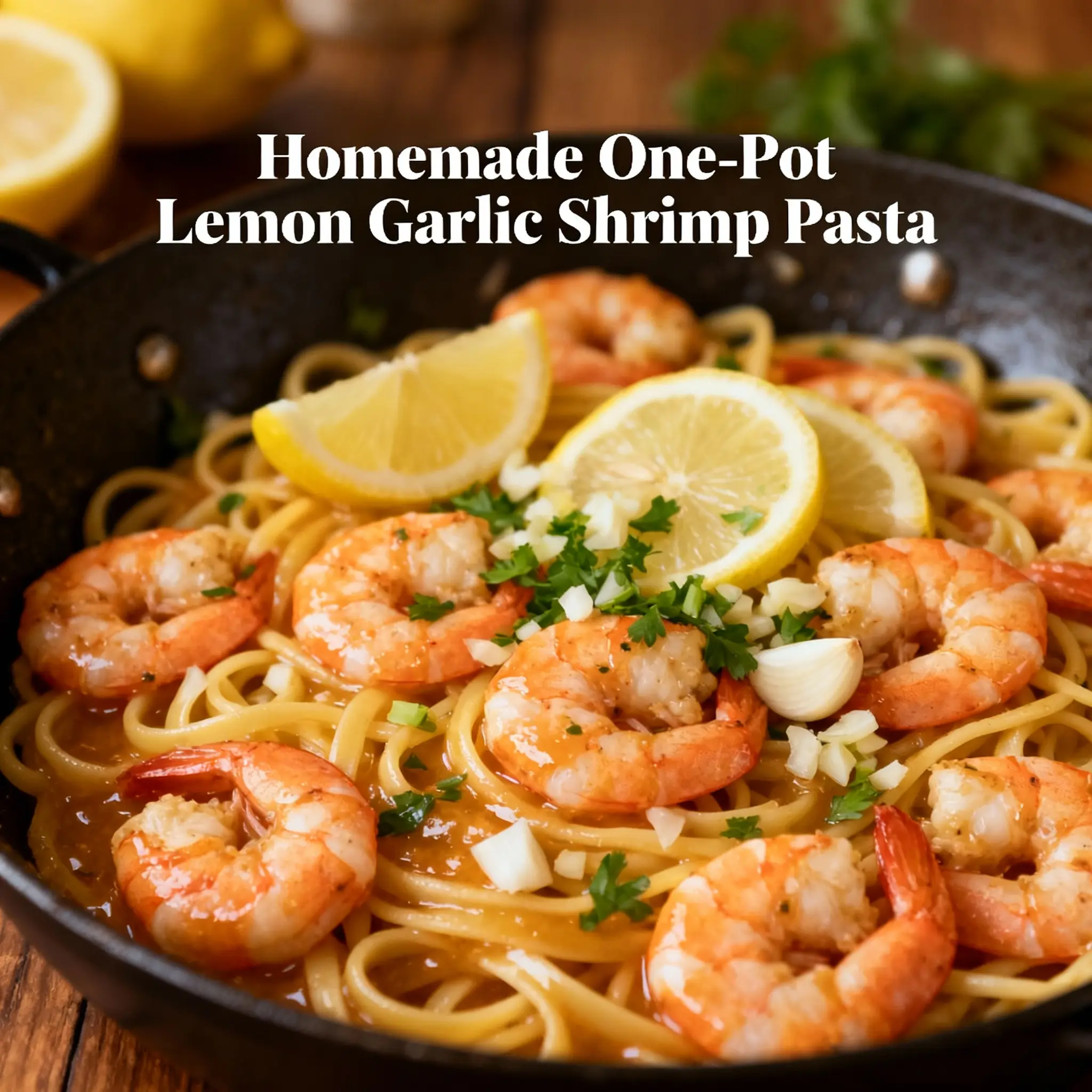
One-Pot Lemon Garlic Shrimp Pasta: A Zesty, Creamy Delight Ready in Under 30 Minutes
The History of One-Pot Cooking and the Rise of Shrimp Pasta Dishes
The concept of one-pot meals has deep roots in culinary traditions across the globe. From Spanish paella to Italian risotto and Indian biryanis, cooking everything in a single vessel has long been celebrated for its efficiency, flavor concentration, and ease of cleanup. In recent decades, especially with the fast-paced lifestyle of modern households, the popularity of one-pot recipes has surged. The internet age amplified this trend, with food bloggers and home cooks sharing simplified yet gourmet-style dishes that deliver maximum taste with minimal effort.
Shrimp pasta, in particular, gained prominence as a quick weeknight dinner favorite due to its elegant presentation and rich Mediterranean influences. Often associated with coastal cuisines from Southern Italy, Greece, and the South of France, shrimp and pasta combinations highlight fresh seafood, citrus, garlic, olive oil, and herbs. The addition of lemon not only brightens the dish but also enhances the natural sweetness of the shrimp. Over time, these elements were adapted into the now-iconic “One-Pot Lemon Garlic Shrimp Pasta”—a creamy, tangy, garlicky sensation that brings restaurant-quality dining to the comfort of your kitchen without the fuss.
Ingredients Breakdown: What Makes This Dish Shine?
The magic of One-Pot Lemon Garlic Shrimp Pasta lies in its carefully balanced ingredients, each contributing texture, aroma, and depth. Here’s an in-depth look at why every component matters:
- Fettuccine or Linguine Pasta: Long, flat noodles like fettuccine or linguine are ideal because they hold onto the creamy sauce beautifully. Their surface area allows the lemon-garlic emulsion to cling, ensuring every bite is flavorful.
- Large Shrimp (Peeled and Deveined): Fresh or frozen (thawed) shrimp add a delicate sweetness and tender bite. Opt for 16/20 or 21/25 count per pound for optimal size—large enough to stand out, small enough to cook quickly.
- Garlic: The star of the dish! Fresh minced garlic delivers a pungent, aromatic base that mellows when sautéed, forming the backbone of the sauce’s flavor profile.
- Lemon: Both zest and juice play crucial roles. Zest adds intense citrus fragrance without acidity, while freshly squeezed juice brings brightness and cuts through richness.
- Chicken or Vegetable Broth: Acts as the cooking liquid and forms the foundation of the sauce. Low-sodium versions allow better control over seasoning.
- Heavy Cream or Half-and-Half: Adds silkiness and body to the sauce. For a lighter version, half-and-half works well; for indulgence, heavy cream is unmatched.
- Butter: Enriches the sauce, lending a velvety mouthfeel and enhancing the overall richness. Unsalted butter is preferred to manage salt levels.
- Olive Oil: Used for sautéing, it provides a fruity base note and helps prevent sticking.
- Red Pepper Flakes: A pinch introduces subtle heat that balances the lemon’s tartness and complements the sweetness of the shrimp.
- Salt and Black Pepper: Essential seasonings that enhance all other flavors. Season gradually and taste as you go.
- Fresh Parsley or Basil: Chopped just before serving, these herbs add freshness, color, and a final aromatic lift.
- Parmesan Cheese (Optional): Grated Parmigiano-Reggiano adds umami and a slight nuttiness, enriching the sauce further.
Step-by-Step Recipe: How to Make One-Pot Lemon Garlic Shrimp Pasta
Follow this detailed guide to create a perfectly balanced, restaurant-worthy dish from start to finish—all in a single skillet.
- Gather and Prep Ingredients: Before you begin, measure out all ingredients. Mince 4–6 garlic cloves, zest and juice one large lemon, chop a handful of fresh parsley, and pat the shrimp dry with paper towels to ensure proper searing.
- Heat the Pot or Skillet: Place a large, deep skillet or Dutch oven over medium heat. Add 2 tablespoons of olive oil and 1 tablespoon of unsalted butter. Allow them to melt and blend together, creating a flavorful base.
- Sauté the Aromatics: Add the minced garlic and a pinch of red pepper flakes. Sauté for about 30–60 seconds until fragrant—be careful not to burn the garlic, as it will turn bitter.
- Brown the Shrimp (Optional): Push the garlic to the side and place the shrimp in a single layer. Cook for 1–2 minutes per side until they turn pink and opaque. Remove the shrimp temporarily and set aside. (This step ensures even cooking and prevents overcooking later.)
- Add Pasta and Liquid: Pour in 3 cups of chicken or vegetable broth, then add 8 oz (about 225g) of uncooked fettuccine or linguine. Stir gently to submerge the pasta. Increase heat to medium-high.
- Simmer Until Pasta is Al Dente: Let the mixture come to a gentle boil, then reduce to a simmer. Stir occasionally to prevent sticking. Cook for 8–10 minutes, or until the pasta is almost tender and most of the liquid is absorbed.
- Incorporate Cream and Butter: Reduce heat to low. Stir in ½ cup of heavy cream (or half-and-half), 2 more tablespoons of butter, and the lemon juice. Mix well until the sauce begins to thicken slightly.
- Return Shrimp to the Pan: Add the cooked shrimp back into the pan. Gently fold them into the pasta, allowing them to reheat and absorb the sauce for 1–2 minutes.
- Finish with Zest and Herbs: Remove from heat. Stir in the lemon zest and chopped parsley. Taste and adjust seasoning with salt and black pepper as needed.
- Serve Immediately: Plate the pasta while hot. Optionally, top with grated Parmesan cheese and a sprinkle of extra red pepper flakes for garnish.
Tips for Perfect One-Pot Lemon Garlic Shrimp Pasta Every Time
- Don’t Overcook the Shrimp: Shrimp cook very quickly. If left too long, they become rubbery. Remove them early if browning separately, or add them late if skipping pre-cooking.
- Use Fresh Lemon Juice: Bottled lemon juice lacks brightness and can have off-flavors. Always use freshly squeezed juice and zest for best results.
- Stir Occasionally, But Not Constantly: Stirring prevents sticking, but too much agitation can break the pasta. Use a wide spatula or tongs to gently nudge the noodles.
- Control the Sauce Consistency: If the sauce seems too thin, simmer uncovered for an extra minute or two. If too thick, add a splash of broth or pasta water to loosen.
- Reserve Extra Broth: Keep a half-cup of broth on hand in case the pasta absorbs liquid too quickly before becoming tender.
- Cook Pasta to Al Dente: Since the pasta continues to absorb liquid off the heat, slightly undercooking it in the pot ensures perfect texture when served.
- Let It Rest: Allow the dish to sit for 2–3 minutes after removing from heat. This helps the sauce settle and cling evenly to the noodles.
- Choose Quality Ingredients: Fresh shrimp, real butter, and good Parmesan make a noticeable difference in flavor and texture.
Variations and Customizations: Make It Your Own
This versatile recipe welcomes creativity. Try these delicious twists to suit dietary preferences or seasonal ingredients:
- Gluten-Free Version: Substitute regular pasta with gluten-free fettuccine (rice or corn-based). Adjust cooking time according to package instructions, as GF pasta often cooks faster.
- Dairy-Free Option: Replace butter with vegan butter or olive oil, and use coconut cream or cashew cream instead of dairy cream. Nutritional yeast can mimic Parmesan flavor.
- Add Vegetables: Enhance nutrition and color by adding spinach, cherry tomatoes, artichoke hearts, zucchini, or roasted red peppers during the last few minutes of cooking.
- Protein Variations: Swap shrimp for grilled chicken strips, scallops, lump crab meat, or even white beans for a vegetarian twist.
- Herb Swaps: Try basil, dill, or chives instead of parsley for a different herbal note. Thyme or oregano can also complement the lemon-garlic profile.
- Wine-Infused Sauce: Deglaze the pan with ¼ cup of dry white wine (like Sauvignon Blanc or Pinot Grigio) after sautéing garlic. Let it reduce by half before adding broth for added complexity.
- Spicy Kick: Increase red pepper flakes or add a dash of hot sauce like Sriracha for more heat.
- Creamy Tomato Twist: Stir in 2–3 tablespoons of sun-dried tomato pesto or marinara sauce for a rosé-style variation.
- Seafood Medley: Combine shrimp with mussels, clams, or calamari for a luxurious surf-and-turf pasta experience.
Health Considerations and Nutritional Value
While undeniably delicious, understanding the nutritional aspects of One-Pot Lemon Garlic Shrimp Pasta helps you enjoy it mindfully. Here’s a breakdown of key components:
| Nutrient | Per Serving (Approx. 1.5 cups) | Benefits & Notes |
|---|---|---|
| Calories | 450–550 | Varies based on cream, butter, and cheese usage. |
| Protein | 25–30g | Shrimp is high in lean protein and essential amino acids. |
| Total Fat | 18–25g | Mainly from healthy fats in olive oil and moderate saturated fat from dairy. |
| Saturated Fat | 8–12g | Can be reduced using lower-fat dairy alternatives. |
| Carbohydrates | 45–55g | Primarily from pasta; choose whole grain for fiber boost. |
| Fiber | 2–4g | Increases significantly with added vegetables or whole-grain pasta. |
| Sodium | 600–900mg | Control by using low-sodium broth and limiting added salt. |
| Vitamin C | High | From lemon juice and zest—supports immunity and iron absorption. |
| Omega-3 Fatty Acids | Moderate | Shrimp contain beneficial marine omega-3s (EPA/DHA). |
| Cholesterol | 150–200mg | Shrimp are higher in cholesterol but low in saturated fat; moderate consumption is generally safe for most people. |
Dietary Tips:
- Heart-Healthy Version: Use olive oil, limit butter, choose low-fat cream, and include leafy greens like spinach.
- Low-Carb Alternative: Replace pasta with spiralized zucchini (zoodles) or shirataki noodles. Add them at the end and warm through without boiling.
- High-Protein Boost: Add extra shrimp or white beans to increase satiety and muscle support.
- Allergy-Friendly: Omit shellfish for a lemon-garlic pasta with mushrooms or tofu. Check labels for dairy and gluten sensitivities.
Ingredients
- 8 oz (225g) fettuccine or linguine pasta
- 1 lb (450g) large shrimp, peeled and deveined
- 4–6 cloves garlic, minced
- Zest and juice of 1 large lemon
- 3 cups low-sodium chicken or vegetable broth
- ½ cup heavy cream or half-and-half
- 3 tbsp unsalted butter, divided
- 2 tbsp olive oil
- ½ tsp red pepper flakes (adjust to taste)
- Salt and freshly ground black pepper, to taste
- ¼ cup fresh parsley, finely chopped
- ¼ cup grated Parmesan cheese (optional)
Directions
- In a large deep skillet or Dutch oven, heat olive oil and 1 tablespoon of butter over medium heat.
- Add minced garlic and red pepper flakes. Sauté for 30–60 seconds until fragrant.
- Add shrimp in a single layer and cook for 1–2 minutes per side until pink and opaque. Remove and set aside.
- Pour in broth, then add uncooked pasta. Stir to submerge noodles completely.
- Bring to a simmer over medium-high heat. Cook for 8–10 minutes, stirring occasionally, until pasta is al dente and liquid is mostly absorbed.
- Reduce heat to low. Stir in cream, remaining 2 tablespoons of butter, and lemon juice.
- Return cooked shrimp to the pan. Simmer gently for 1–2 minutes to reheat and blend flavors.
- Remove from heat. Stir in lemon zest and chopped parsley.
- Season with salt and pepper to taste. Serve immediately.
- Optional: Top with Parmesan cheese and extra parsley or red pepper flakes.
FAQ
- Can I use frozen shrimp?
- Yes! Just make sure to thaw them completely in the refrigerator overnight or under cold running water. Pat dry before cooking to avoid excess moisture.
- Can I make this ahead of time?
- Best served fresh. However, leftovers can be stored in an airtight container in the fridge for up to 2 days. Reheat gently on the stove with a splash of broth to restore creaminess.
- Why is my sauce too watery?
- The sauce should thicken as it cools. If still too thin, simmer uncovered for 1–2 minutes. Alternatively, mix 1 tsp cornstarch with 1 tbsp water and stir in to thicken.
- Can I double the recipe?
- Yes, but use a very large pot or divide between two skillets. Avoid overcrowding, which can lead to uneven cooking.
- What pasta works best?
- Fettuccine, linguine, tagliatelle, or even penne work well. Choose shapes that hold sauce effectively.
- Is this recipe freezer-friendly?
- Not recommended. Dairy-based sauces may separate upon freezing and reheating, affecting texture.
- Can I omit cream?
- You can substitute with evaporated milk, cashew cream, or a roux-thickened broth for a lighter version, though the richness will differ.
- How do I prevent overcooked shrimp?
- Cook shrimp separately and add at the end, or add them during the last 2–3 minutes of simmering if skipping initial sear.
Summary
One-Pot Lemon Garlic Shrimp Pasta is a vibrant, creamy, and aromatic dish that combines plump shrimp, al dente pasta, and a zesty lemon-garlic sauce—all made effortlessly in a single pan.
Ready in under 30 minutes, it’s perfect for busy weeknights, yet elegant enough for guests, offering endless customization options for every palate and diet.